
Note: Names of organizations, offices, departments, etc. in the article are as of when the article was first published.
When people think of agriculture, many imagine open fields and soil-based farming. This traditional approach is known as soil cultivation. Alongside it, however, hydroponic cultivation—growing plants without soil, using water and liquid nutrients—has become increasingly important, especially in plant factories.
In hydroponic systems, environmental conditions such as temperature, humidity, and CO₂ concentration directly affect plant growth. Because of this, recording and analyzing environmental data is essential—not only for maintaining stable production, but also for improving quality and accumulating long-term cultivation know-how.
Ondotorism features stories from a wide range of fields where temperature and environmental data play an important role. In this article, we turn our focus to agriculture as a new field, exploring how data-driven environmental monitoring supports hydroponic cultivation in plant factories.
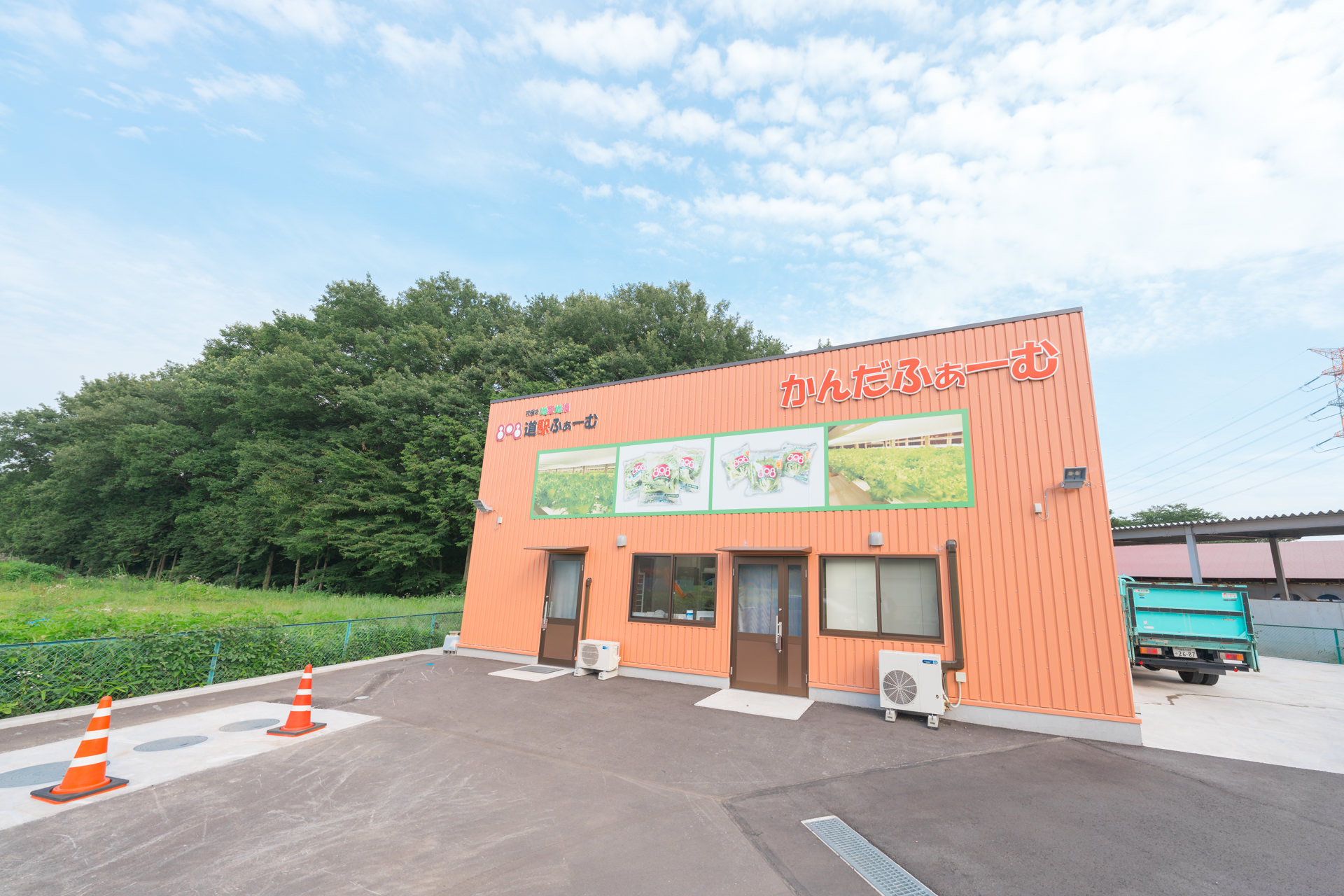
To see how this works in practice, we visited Kanda Farm, a plant factory in Nikko City, Tochigi Prefecture. There, we spoke with Mr. Mihara, who developed the 808 Plant System, a hydroponic cultivation system designed for practical, real-world use.
| Date | July 7, 2023 |
|---|---|
| Interviewee | Mr. Mihara (President, Heartful Management Corporation; developer of the 808 Plant System) |
| Place | Kanda Farm (Nikko, Tochigi, Japan) |
| Models in Use | RTR500BW, RTR502BL, RTR-576 |
| Purpose | Monitoring water temperature and environmental conditions (temperature, humidity, CO2) in the plant factory |
Could you briefly tell us about your company and what you do?
Mr. Mihara
“At Heartful Management Corporation, we are involved in the planning, design, and sales of plant systems, as well as the cultivation and sale of vegetables under our 808 brand.
As part of this work, we developed the 808 Plant System, a hydroponic cultivation system that uses LED lighting to grow pesticide-free vegetables. We also work with local governments to build plant factories near roadside stations (Michi-no-Eki, public rest areas in Japan that also serve as marketplaces for local products), helping reduce logistics costs between production and sales.”
He adds that the system is designed not only for efficiency, but also for stable and repeatable cultivation, which depends heavily on understanding the growing environment.
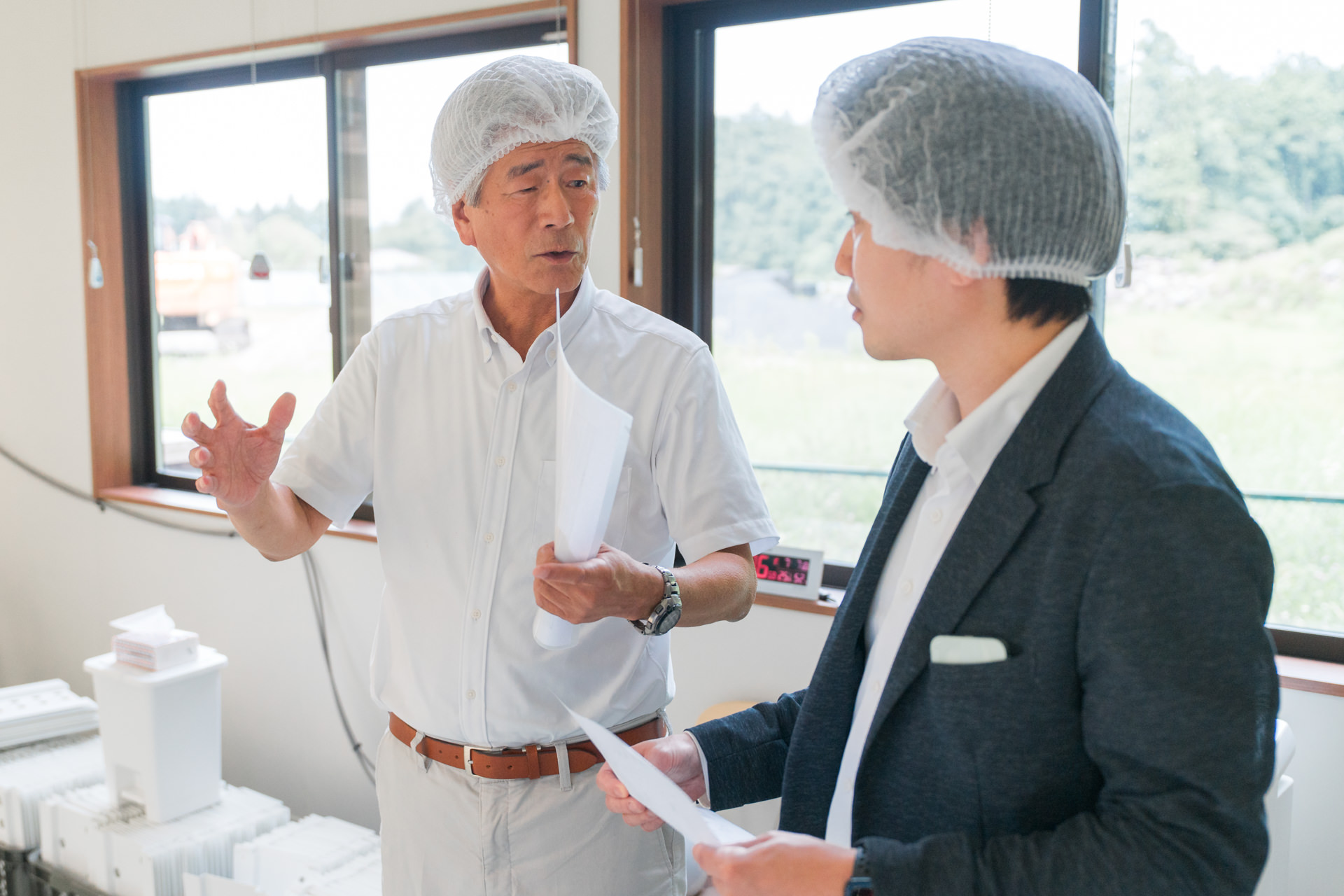
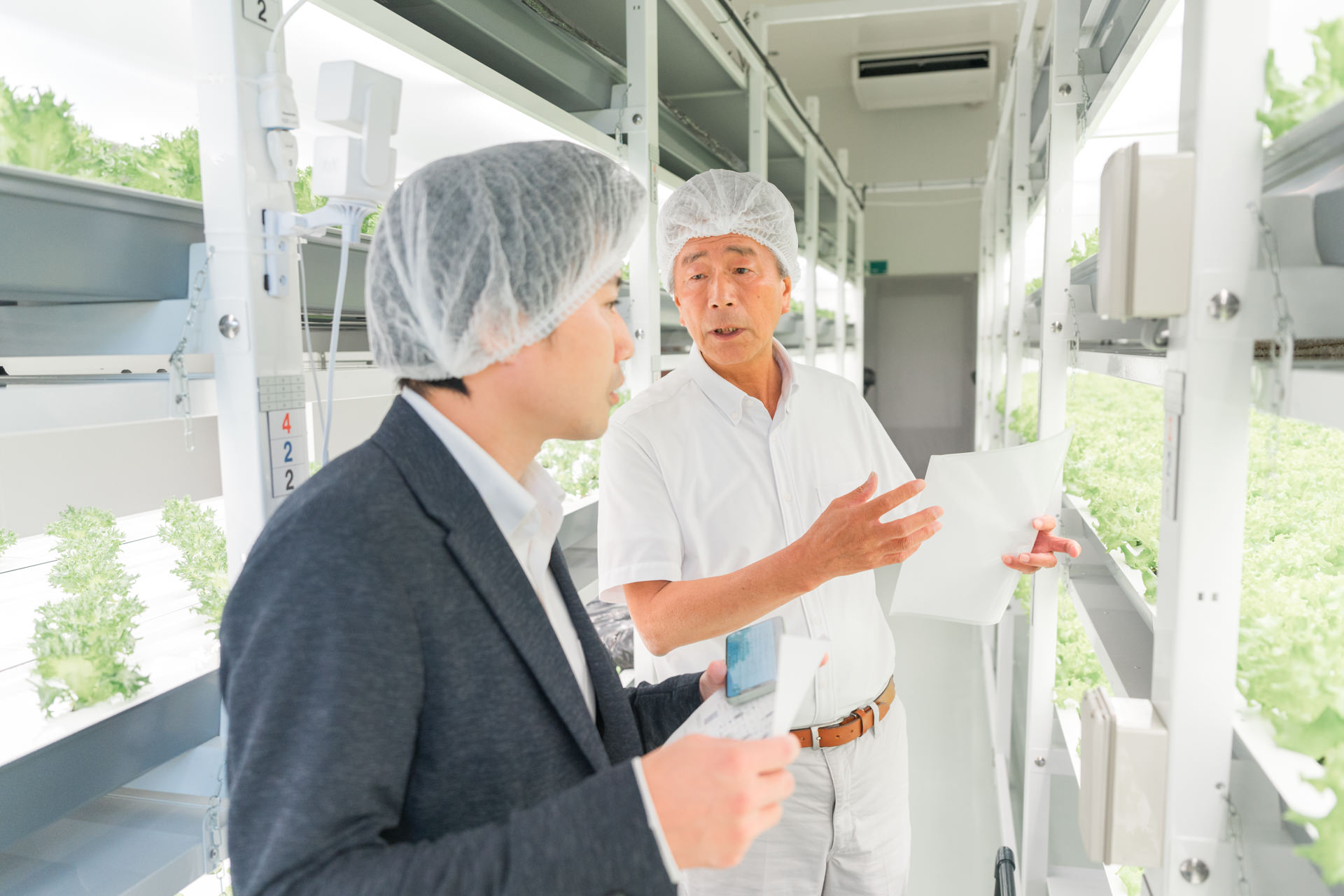
At Kanda Farm, three varieties of leaf lettuce are produced, with an output of approximately 350 plants per day. From cultivation to packaging and shipping, the entire process is completed within the same facility.
Did you have a background in agriculture before starting this business?
Mr. Mihara
“Not at all. I originally worked in the construction industry, managing sites for apartment buildings, commercial facilities, offices, and factories. I didn’t start this business because I was interested in agriculture from the beginning.”
After leaving construction, he ran a real estate information website. During that time, he became involved in a project to convert vacant warehouses into plant factories. Although the facility was completed, the business struggled—plants did not grow as expected, and sales could not be sustained.
“That experience made it clear that without properly understanding and managing the growing environment, the business wouldn’t work,” he recalls.
Eventually, Mr. Mihara took over the project himself. After initially working with specialists, he continued learning on his own, studying everything from nutrient solution management to cultivation methods. Through repeated trial and error, the 808 Plant System gradually took shape.
Beyond business growth, he also emphasizes creating local employment and supporting job opportunities, including for people with disabilities, as an important part of the project.
――What were the biggest challenges in developing the 808 Plant System?
Mr. Mihara
“Leaf lettuce alone has around 2,000 varieties. From those, we selected about 100 varieties considered suitable for plant factories and conducted test cultivation. We evaluated their color and shape, and eventually narrowed them down to six varieties.
From there, we repeatedly adjusted temperature, humidity, CO₂ levels, EC (electrical conductivity), and pH inside the facility to improve quality, including appearance and texture at harvest. Lettuce will not grow properly if temperatures are too high or too low, so we consulted with a university professor who provides agricultural guidance when determining these settings.
There were certainly many challenges, but thanks to the support and cooperation of many people, we were able to overcome them and refine the system.”
This process highlights Mr. Mihara’s persistence and his commitment to building a cultivation system that is both reliable and adaptable through collaboration with experts.
What do you see as the main advantages of hydroponic cultivation?
Mr. Mihara
“The biggest advantage is that production is not affected by weather. We can maintain stable output throughout the year.”
Another important benefit is hygiene. Vegetables grown using the 808 Plant System are produced in a highly controlled indoor environment, resulting in very low bacterial levels.
Compared with general food hygiene guidelines in Japan for uncooked vegetables, the bacterial levels found on leaf lettuce grown with the 808 Plant System are significantly lower. This level of hygiene is achieved through careful environmental control, without the use of pesticides.
Beyond production and hygiene, plant factories also offer important social benefits. Because cultivation work is carried out indoors, operations can continue regardless of weather conditions. The absence of soil and heavy physical labor creates a working environment that is accessible for people with disabilities and older workers, contributing to stable local employment.
How did you first learn about T&D data loggers, and what led you to start using them?
Mr. Mihara
“In the early stages, we relied a lot on experience and visual checks. But as we went through failures, I realized that we needed objective data to understand what was really happening.”
He was first introduced to T&D data loggers during testing at a converted warehouse in Tokyo. Rather than relying solely on explanations, he contacted T&D directly to confirm whether the devices could support the type of monitoring he needed.
“Once we confirmed that we could record and review the necessary data, we decided to move forward.”
What kind of data do you record, and for what purpose?
Mr. Mihara
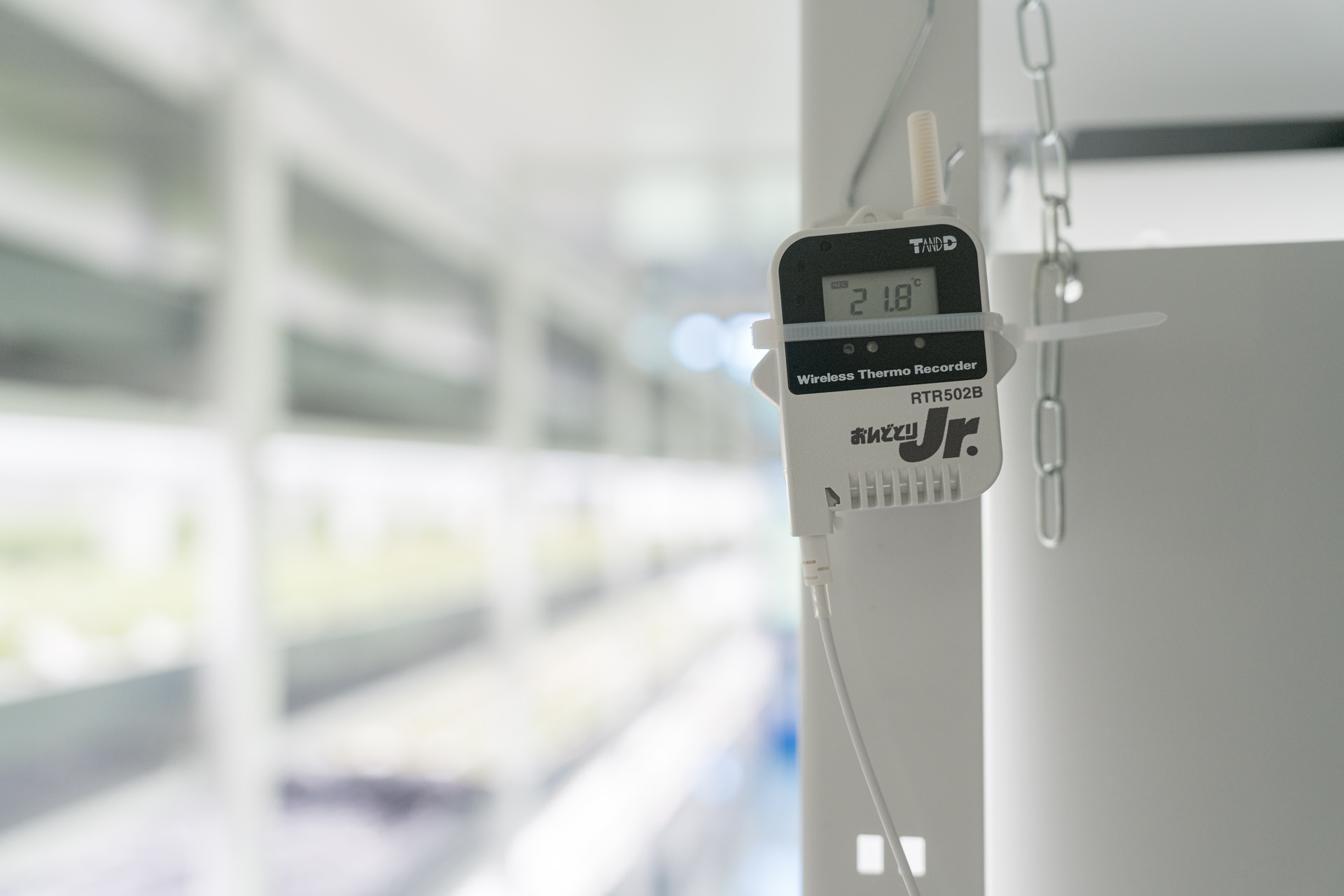
“There are two main purposes. First, we measure the temperature of the nutrient solution supplied to the lettuce. Second, we check for uneven CO₂ concentration inside the plant factory.”
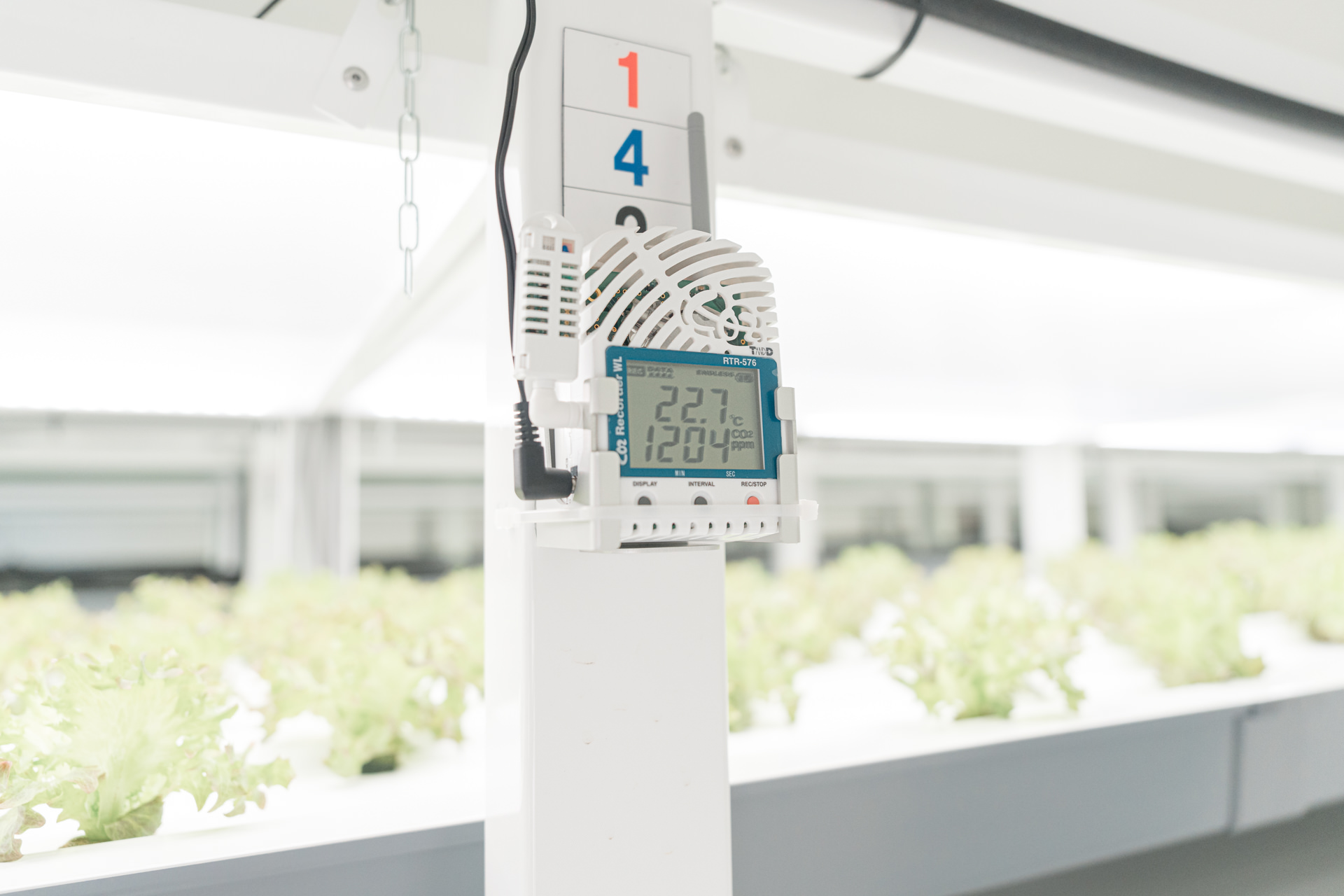
The nutrient solution flows through four locations, and RTR502B data loggers are installed at each point to record water temperature. CO₂ concentration is monitored using RTR-576 loggers, installed at different heights to detect vertical variation.
“By recording this data, we can confirm whether conditions are uniform and stable. Even if everything looks fine, having records allows us to review the situation later.”
――Do you adjust temperature or humidity settings for different lettuce varieties?
Mr. Mihara
“We do not separate the space by variety, so we do not adjust temperature or humidity for each type individually. Instead, we manage the entire facility as one environment.”
The plant factory is typically maintained at around 22°C (about 72°F), with humidity between 60–75%, and CO₂ levels between 800–1,200 ppm.
How has recording data changed your day-to-day operations?
Mr. Mihara
“Before, we checked thermometers by eye and wrote down the numbers every day. It was time-consuming, and mistakes could happen.”
With T&D data loggers, data is automatically recorded and visualized as graphs. This has eliminated missed entries and made it easier to track changes over time.
“Temperature and CO₂ levels are controlled by air-conditioning and dedicated equipment, so large fluctuations are unlikely. However, having detailed records means that even if lettuce growth declines in the future, we can look back and ask questions such as: When did the temperature change? Why did it happen? And what should we do differently next time?”
For Mr. Mihara, data recording is not just a monitoring tool—it is a way to accumulate knowledge and support continuous improvement.
How do you see this approach being applied in the future?
Mr. Mihara
“Our long-term goal is to install 808 Plant System facilities within the premises of roadside stations across Japan. However, because these stations are often managed by local governments, the approval process can be complex.
For this reason, we are currently advancing the ‘Michi-Eki Farm Project,’ which focuses on building facilities near roadside stations as a first step. Kanda Farm is the first site under this project.
The system is also highly flexible. It can be installed not only in vacant warehouses, but also on open land of around 330 square meters, or even in urbanization control areas, provided the necessary approvals are obtained.”
Mr. Mihara also shared a more personal vision for the system’s future.
“One idea we are exploring is working with wedding venues to serve leaf lettuce grown with the 808 Plant System as a ‘Honeymoon Salad’ at wedding receptions.”
The idea is inspired by a playful word association in English, where “lettuce alone” sounds similar to “let us alone.” Building on this idea, couples are invited to plant lettuce seeds together ahead of their wedding, which are then carefully cultivated using the 808 Plant System and served to guests on their special day.
From scalable plant factories to small, personal moments like a wedding celebration, the 808 Plant System reflects Mr. Mihara’s belief that agriculture can connect technology, community, and people’s lives through carefully managed growing environments.
A Scene Behind the Interview
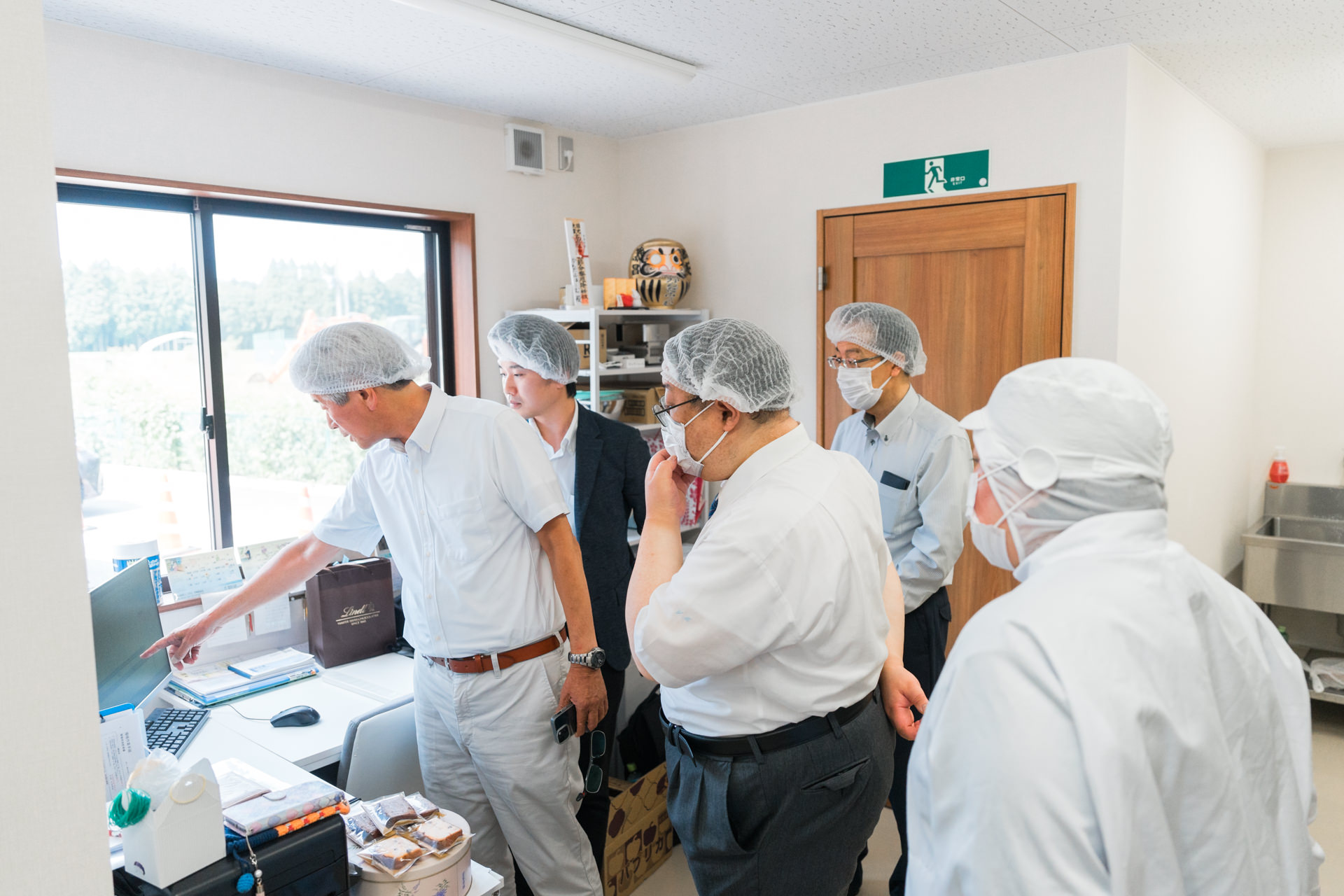
On the day of our visit, a university professor specializing in plant factory research and a representative from a related company were also present. Together with Mr. Mihara, they were analyzing water temperature and nutrient values.
Using recorded data, they discussed when changes had occurred, what caused them, and how similar issues could be prevented in the future. Seeing environmental data actively used for analysis once again highlighted the importance of recording, visualizing, and learning from data.
In Closing
Hydroponic cultivation relies on carefully controlled environments. By continuously recording and analyzing environmental data, plant factories can improve quality, maintain stability, and build practical know-how over time.
Through the 808 Plant System and the use of T&D data loggers, this site shows how recorded data supports stable cultivation and continuous improvement.
We sincerely appreciate the cooperation we received during this interview.