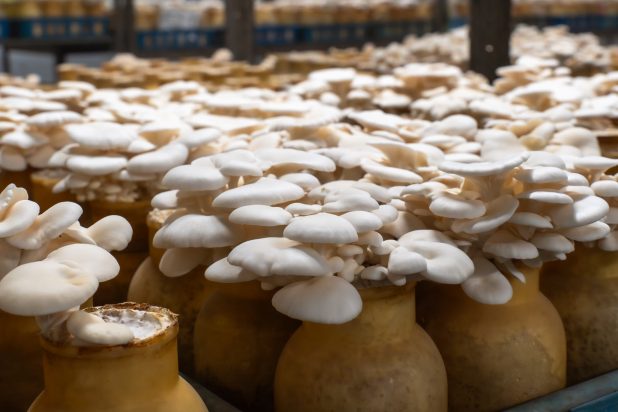
2026.10.19 Mon Icchi A Striker’s Comeback on a New Field: From J.League Soccer to Mushroom Farming After retiring from professional soccer, former J.League striker Hiroyuki Takasaki began a new career in agriculture. See how perseverance, personal connections, and data are helping him take on new challenges in farming. Data loggersTR7 series
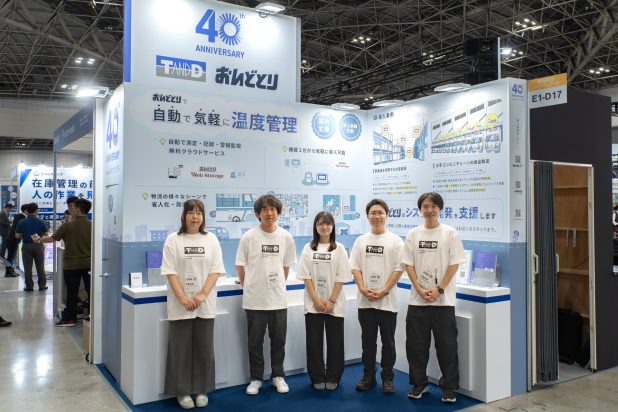
2026.9.25 Fri Yukichi Exhibition Report: Logis-Tech Tokyo 2026 A look back at T&D’s participation in Logis-Tech Tokyo 2026, where we showcased temperature monitoring solutions for the logistics industry. Data loggersInformationEventExhibition
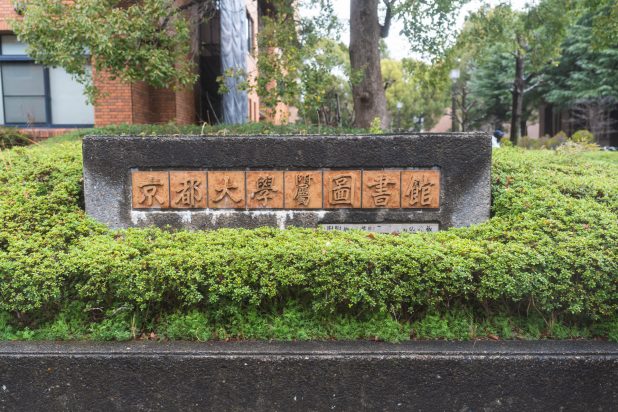
2026.9.17 Thu Yosuke How Kyoto University Library Is Transforming Temperature and Humidity Monitoring: From “Just a Thermometer” to an IoT Device See how Kyoto University Library uses Wi-Fi connectivity, cloud access, and API integration to improve temperature and humidity monitoring. Data loggersTR7 seriesTR-7Ui series
2026.8.7 Fri Isaku Freed from Manual Record-Keeping: Temperature Management at Nagoya Marriott Associa Hotel How did JR Central Hotels automate temperature monitoring across more than 600 refrigerators and freezers? We visited Nagoya Marriott Associa Hotel to learn how T&D data loggers are reducing manual record-keeping and supporting daily kitchen operations. Data loggersRTR500B seriesRTR-600 series
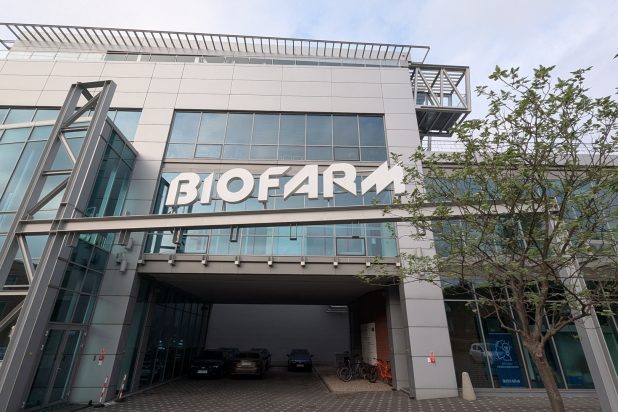
2026.7.28 Tue keisuke Biofarm in Poland Learn how Biofarm, a leading pharmaceutical company in Poland, uses T&D data loggers to support reliable temperature monitoring, regulatory compliance, and product quality. Data loggersRTR-500 series
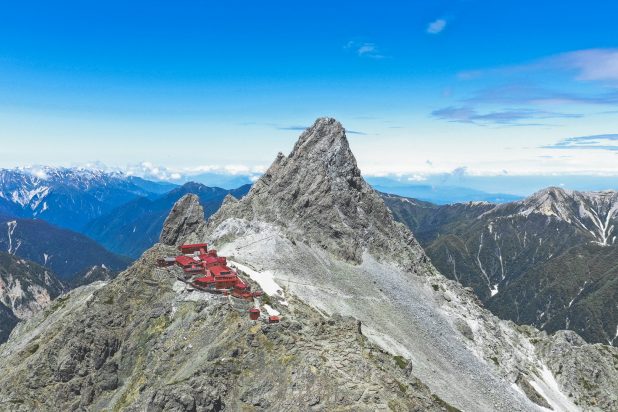
2026.5.25 Mon Isaku Measuring on the Ridge of Mt. Yarigatake At nearly 3,000 meters on the ridge of Mt. Yarigatake, T&D data loggers help deliver real-time weather information in one of Japan’s harshest mountain environments. Data loggersRTR500B series
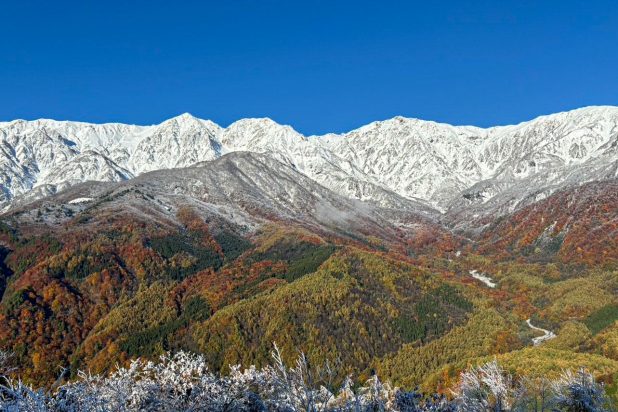
2026.5.8 Fri chiaki Remotely Monitoring a Locally Managed Water System – From the Mountains of Hakuba, Nagano How can a small mountain community manage its vital water supply more reliably? This article explores how remote monitoring brought visibility and peace of mind to daily life. Data loggersRTR500B series
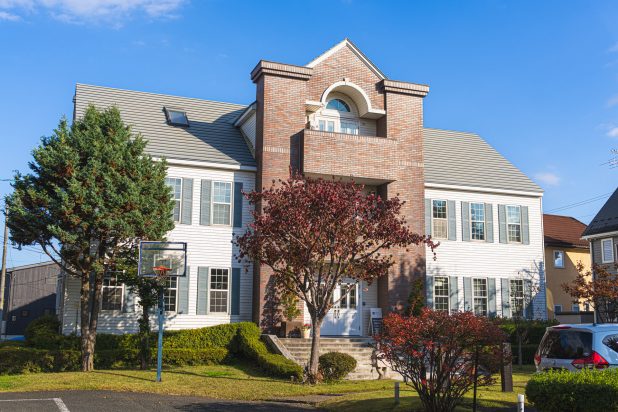
2026.4.16 Thu Yukichi Building Better Homes with Data: How Daikyo Home Proves Comfort Through Real Measurements What does it take to create a truly comfortable home in a region with harsh winters? This article explores how Daikyo Home uses real temperature and humidity data. Data loggersRTR-500 series
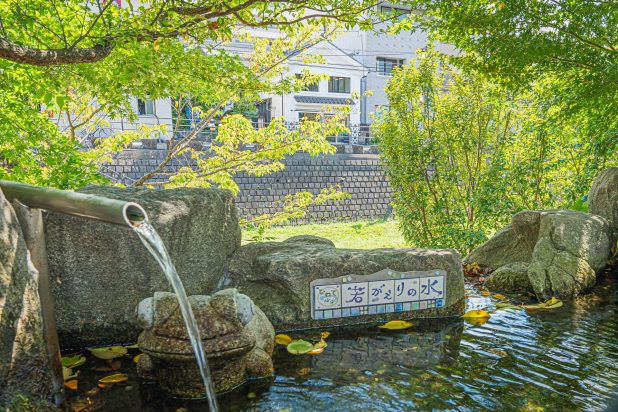
2026.2.25 Wed chiaki When Nature Meets Measurement: Spring-Water Thermoelectric Power Generation How can spring water be used to generate electricity? This article explores how three researchers harnessed natural springs to produce power and monitor water temperature—work that led to the publication of an academic paper. Data loggersTR4 series