
Note: Names of organizations, offices, departments, etc. in the article are as of when the article was first published.
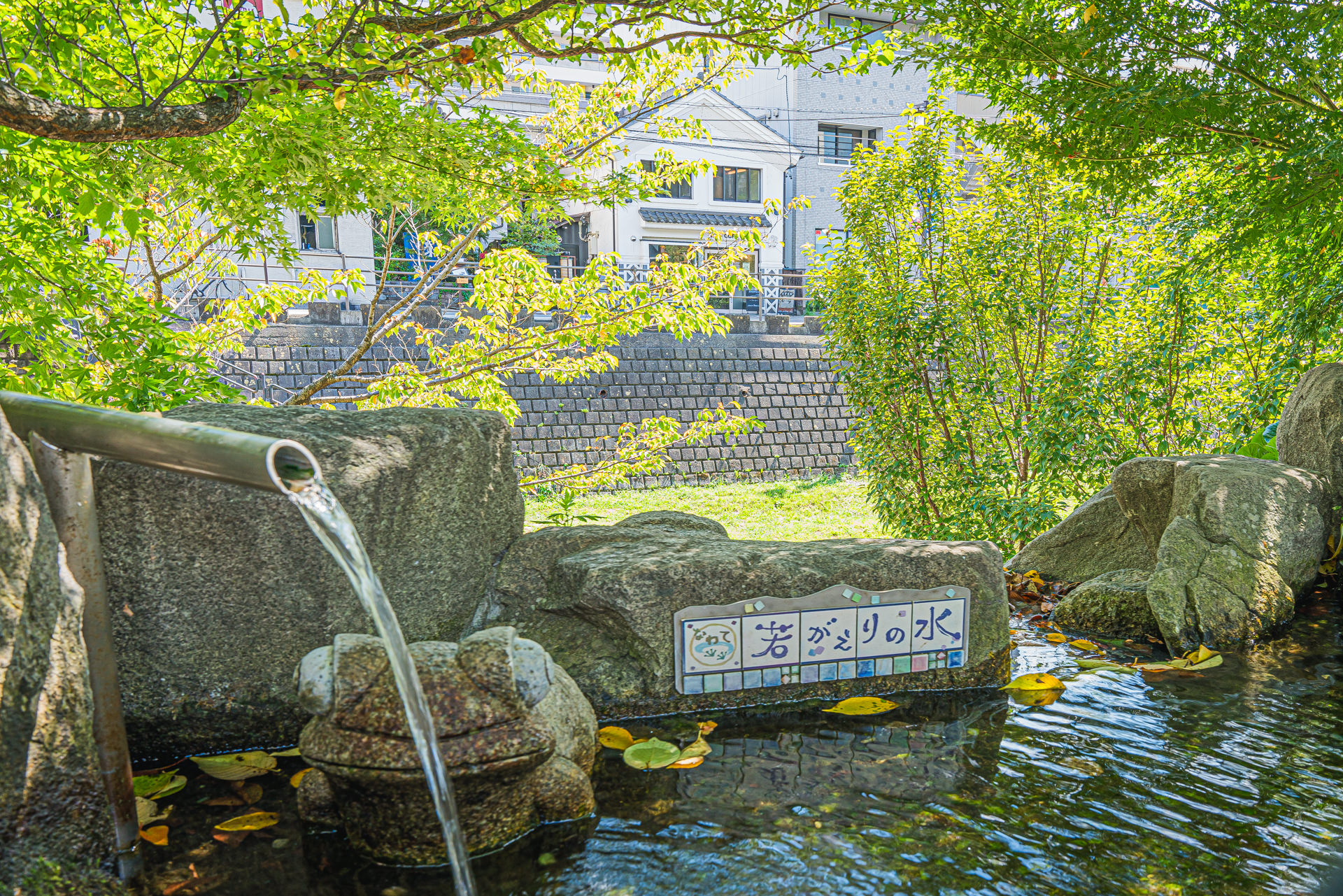
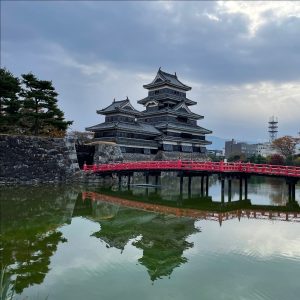
In Matsumoto City, Nagano Prefecture, there is a group of natural springs known as the Matsumoto Castle Town Springs, selected as one of Japan’s “100 Exquisite Waters of the Heisei Era.”
These springs are fed by water nurtured in the surrounding mountains, creating an area rich in natural blessings.
For centuries, the spring water has been used for drinking and sake brewing, and local residents have carefully protected it through neighborhood associations and community efforts.
Scattered throughout the city, the springs are also cherished as places of rest and relaxation for both residents and visitors.
In this article, we spoke with three researchers who successfully generated electricity using spring water and later published their findings in an academic paper in Energy Conversion and Management, an international peer-reviewed journal.
| Date | July 23, 2024 |
|---|---|
| Place | AIST (National Institute of Advanced Industrial Science and Technology) |
| Model in Use | TR42A |
| Purpose | Measuring spring water temperature |
AIST (National Institute of Advanced Industrial Science and Technology) is one of largest public research organizations in Japan, with more than 10,000 researchers working across 12 locations nationwide.
This interview took place at its Tsukuba facility in Ibaraki Prefecture.
When people hear “power generation using spring water,” they may think of a small waterwheel or conventional hydropower.
However, the method presented in this research is entirely different.
Instead, it is an innovative approach called spring-water thermoelectric power generation, which uses the temperature difference between spring water and the surrounding air to generate electricity.
For more information on this research, see the official overview from AIST.
“Spring-Water Temperature Difference Power Generation” That Can Generate Electricity When Immersed in Spring Water
Could you explain what spring-water thermoelectric power generation is?
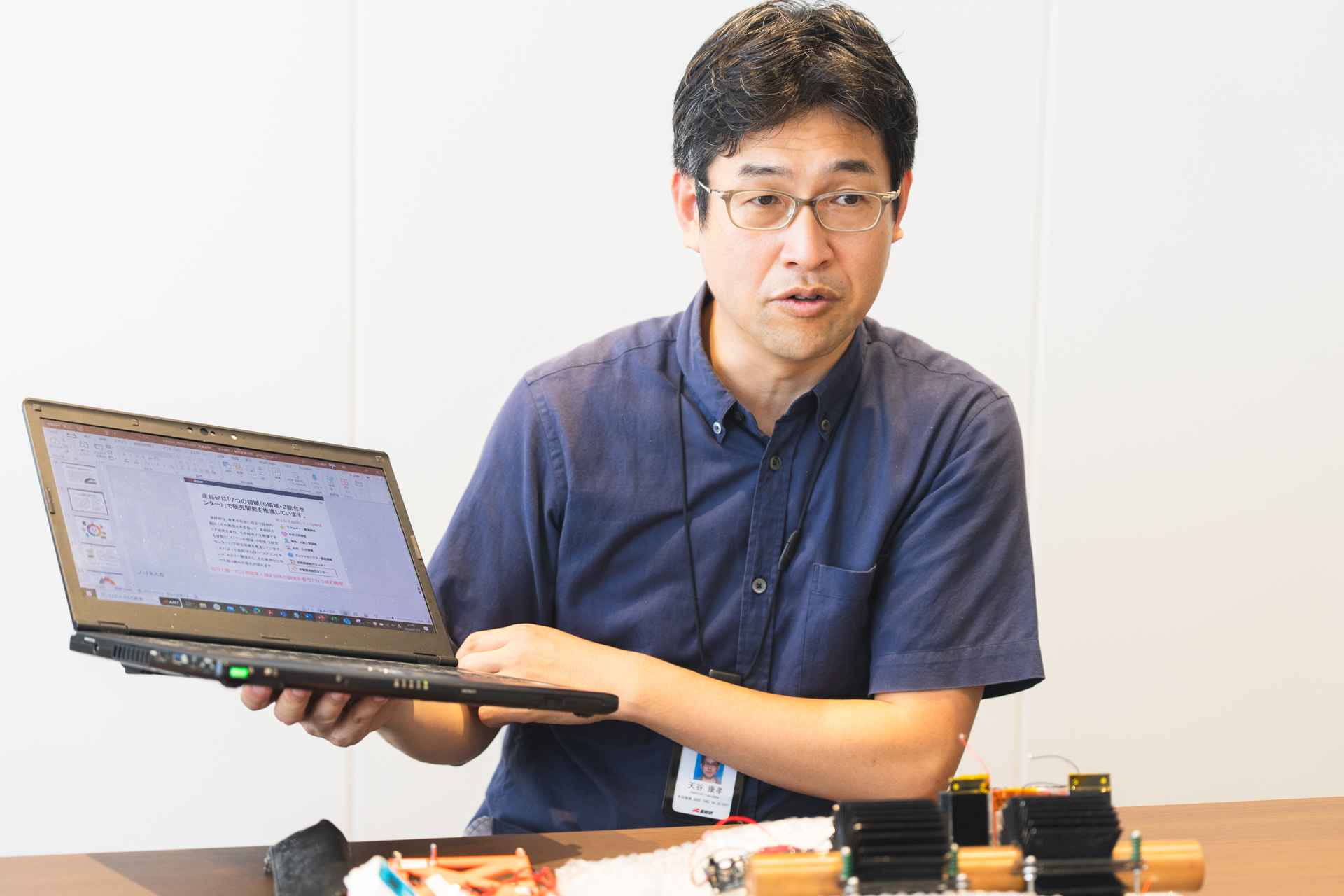
Mr. Amagai (Team Leader / Senior Researcher, AIST)
The idea of converting a temperature difference into electricity dates back to the 19th century.
In the 20th century, the use of compound semiconductors significantly improved efficiency, leading to applications such as power sources for satellites operating in extreme environments.
Thermoelectric materials can convert temperature differences into electricity, and conversely, electricity into temperature differences. One familiar example is the Peltier module, which has been used for localized cooling in temperature control applications.
My specialty is metrology—the precise measurement of physical quantities such as voltage and current. Drawing on this background, I have focused on accurately evaluating conversion efficiency and exploring ways to improve it.
To increase efficiency, the physical design of the power generation unit is crucial. For example, shaping the surface in contact with the heat source into a curved form improves contact, while cylindrical designs increase heat dissipation area to maintain temperature differences. At the same time, researchers within AIST have continued fundamental work on new thermoelectric materials, aiming to improve efficiency even incrementally.
While we have published many results on improving power generation efficiency, academic research can feel distant from everyday life. I have always wondered how this technology could be applied in ways that truly connect with society.
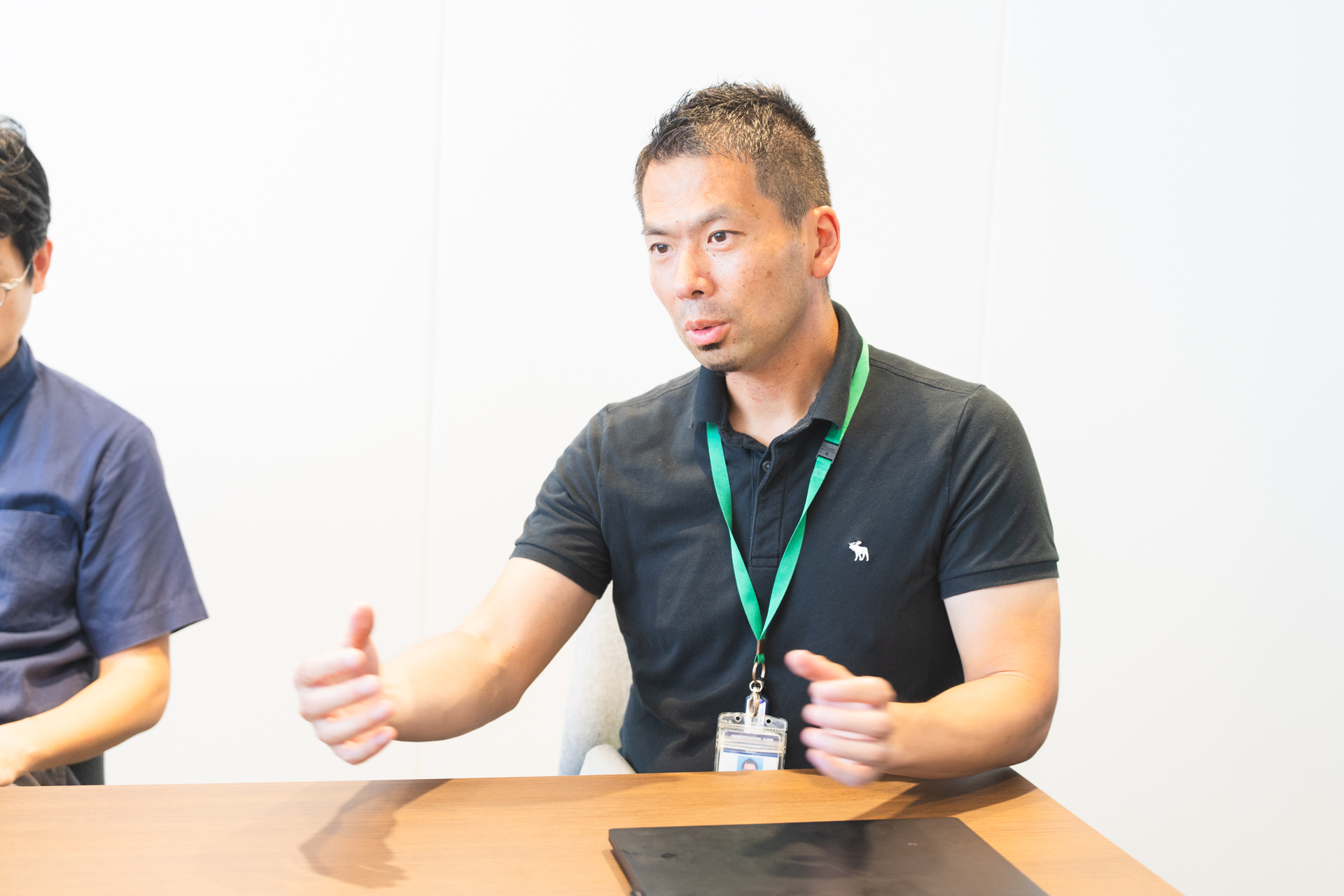
Mr. Ikawa (Chief Senior Researcher, AIST)
Researchers often focus on publishing papers, and projects can end there.
In this case, however, we consciously looked beyond publication and considered how the results could be applied.
By demonstrating possibilities through a concrete example, we believe this research can serve as a starting point for broader social use.
How did this research lead to the idea of using spring water?
Mr. Amagai
Every year, Matsumoto City hosts an event called Crafts Fair Matsumoto – Kogei no Gogatsu.
My wife, Ms. Ichinose, was involved in planning this event, which became a key opportunity to think about how spring water might be used.
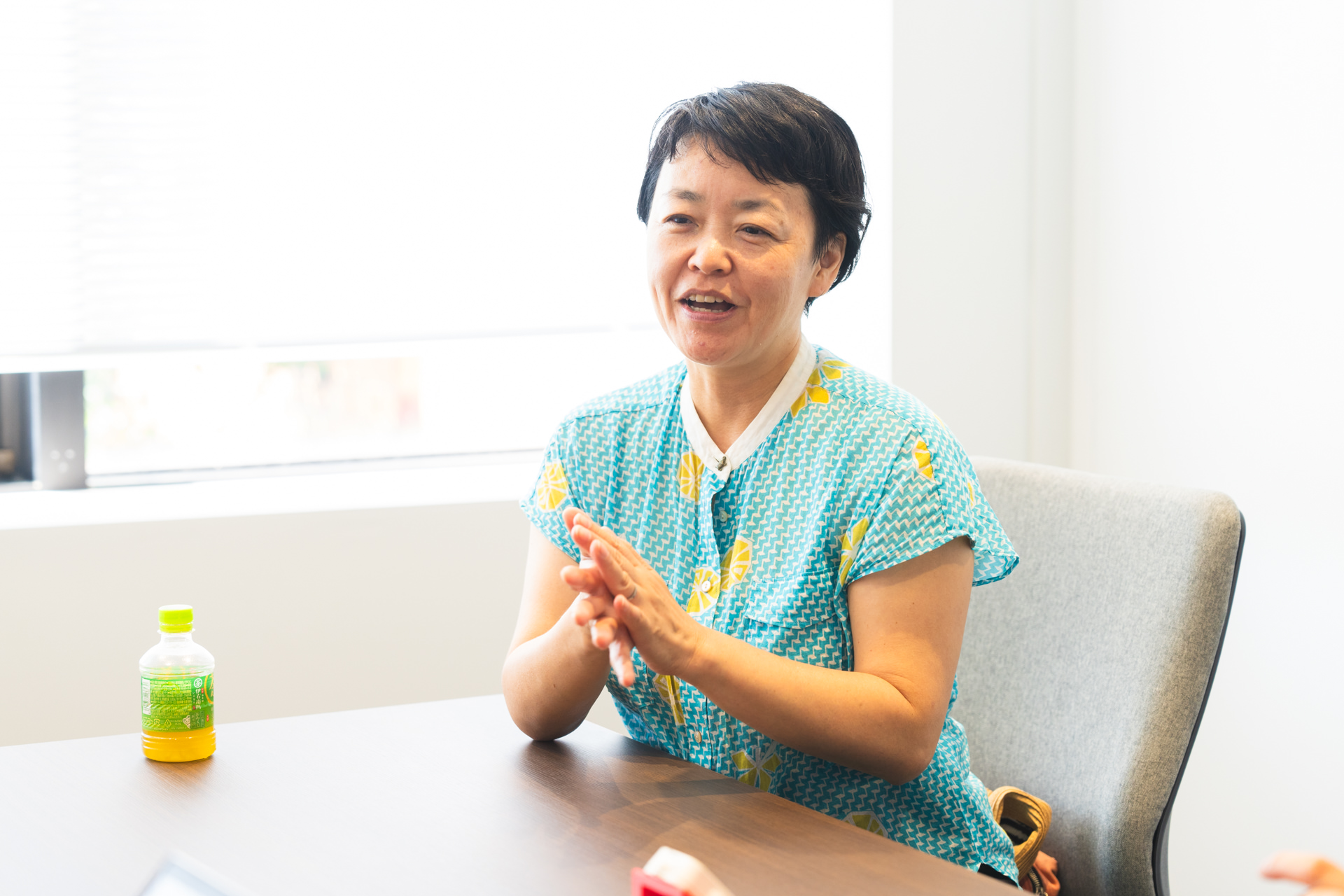
Ms. Ichinose (Assistant Professor, Ibaraki University)
As part of city planning efforts during the event, and drawing on my research in urban systems that focuses on human activity and daily life, we explored ways to utilize Matsumoto’s spring water.
Historically, springs have served as gathering places for conversation—reflected in the Japanese expression idobata kaigi, or “wellside chats.”
While many wells have disappeared over time, Matsumoto’s springs continue to be carefully preserved.
We began to wonder whether these springs, scattered throughout the city, could become focal points that inspire people to explore the city through a new narrative.
Mr. Amagai
Through conversations about Matsumoto and its springs, I learned that the spring water temperature remains at around 15°C (59°F) throughout the year.
That realization made me aware of the significant temperature difference between the spring water and the air.
By combining my research on thermoelectric power generation with her ideas for spring water utilization, I felt we could create new value.
Since geology and groundwater were outside my expertise, I consulted Mr. Ikawa.
Mr. Ikawa
We discussed why spring water maintains a stable temperature, where springs emerge, and what parameters—besides temperature—are typically measured.
Addressing these basic questions helped clarify the research direction.
The paper reports that spring water remains at 15°C (59°F) year-round and examines how seasonal air temperature changes affect power generation.
The highest output was observed in winter, when Matsumoto often experiences subzero temperatures.
Even then, as the spring water does not freeze, a large temperature difference is maintained.
How did you decide how to use the electricity generated?
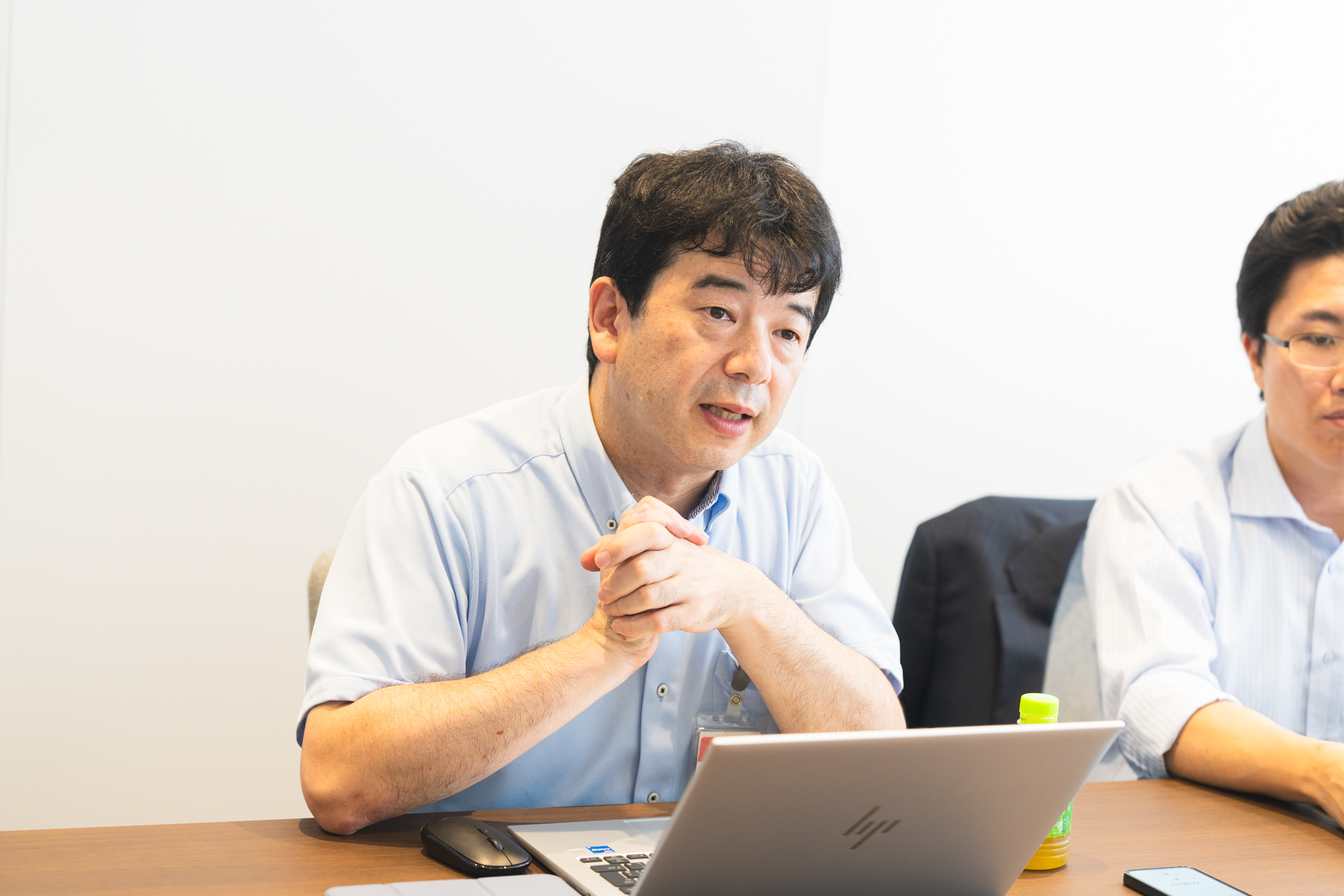
Ms. Ichinose
While exploring Matsumoto’s identity as a craft city, we also viewed architecture as a form of craftsmanship, reexamining the historic castle town and its buildings from an architect’s perspective. We worked closely for over a decade with architect Mr. Yamada of Yamada Architect’s Office Co.,Ltd.
During discussions with local architects about whether something meaningful could be done with electricity generated from spring water, we decided to start with applications directly related to the springs themselves. That led naturally to measuring water temperature, a fundamental indicator of water quality. Mr. Yamada then suggested T&D Data Loggers, known for their temperature measurement expertise. This suggestion became a turning point for the project.
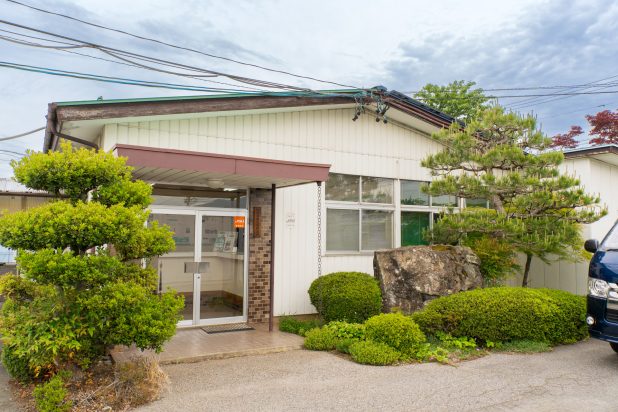
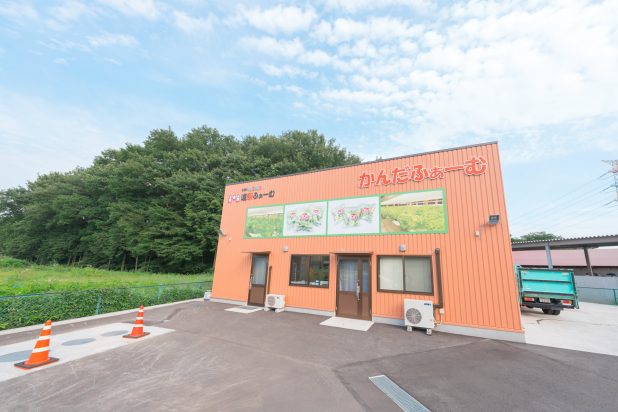
(Mr. Yamada also designed T&D’s Matsumoto Base.)
Mr. Amagai
Through Mr. Yamada’s introduction, we consulted T&D about using their data loggers. In fact, we had previously used T&D instruments at AIST for laboratory temperature control, though we did not realize they were manufactured in Matsumoto.
They introduced low-power, battery-operated data loggers and also proposed ideas to address a key challenge of thermoelectric generation: supplying sufficient current at startup.
They even prototyped a power circuit for us, a contribution we greatly appreciated.
Did you face any difficulties during the experiments?
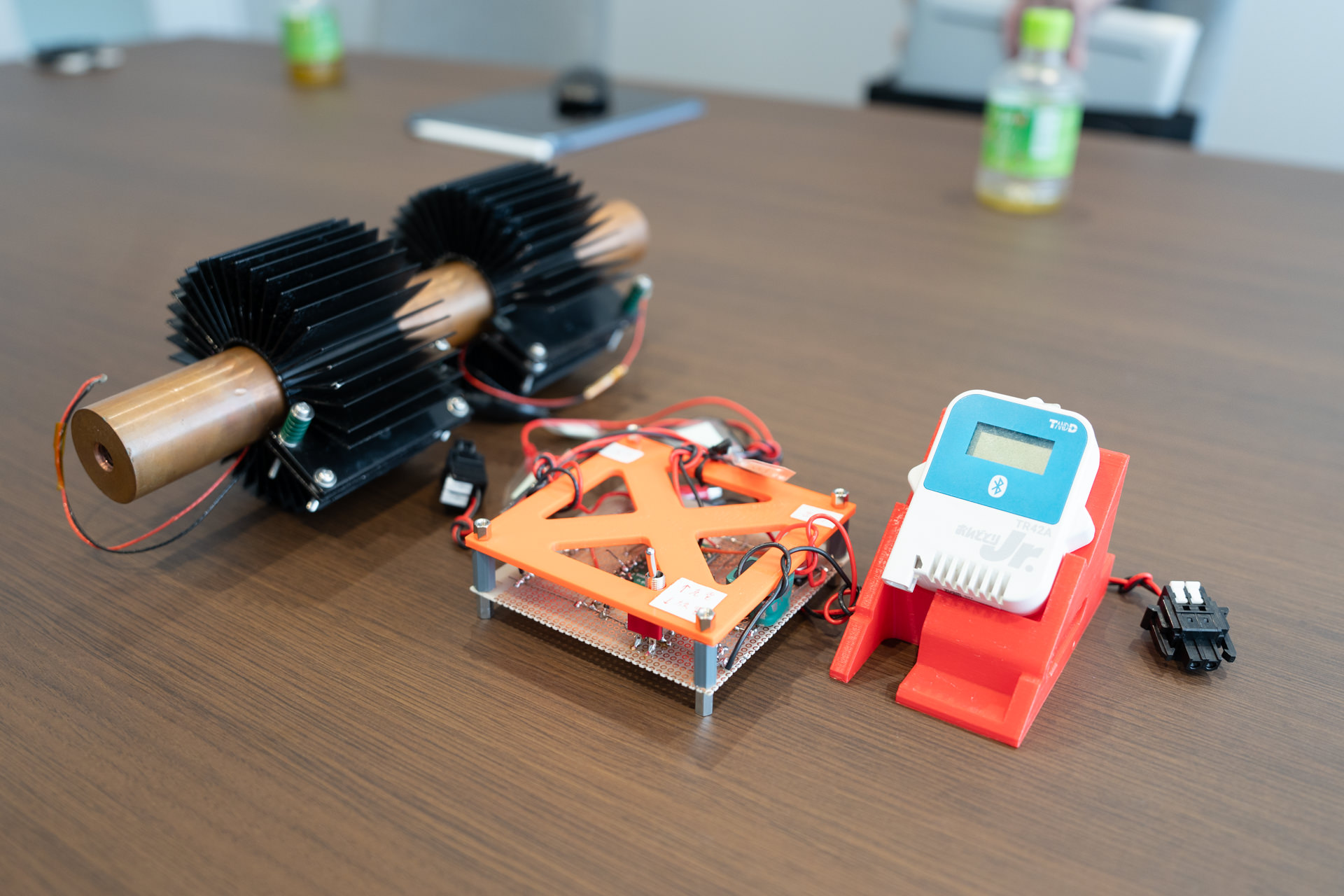
Mr. Amagai
Thanks to T&D’s support, their data logger (TR42A) —normally powered by a lithium battery—was able to operate solely on electricity generated from spring water. This was made possible by the proposed power circuit design, combined with the data logger’s extremely low power consumption. As a result, we were able to monitor the spring water temperature directly on a smartphone.
However, conducting experiments in the field presented many challenges. From identifying suitable spring locations to coordinating with the city of Matsumoto and local residents, much of this work lay outside my area of expertise. In this process, my wife’s long-standing connections in Matsumoto, built over more than a decade, proved invaluable.
Because of these efforts, we were able to go beyond simply generating electricity and demonstrate a clear, practical application by visualizing spring water temperature in an accessible way. Rather than emphasizing the technology itself, connecting it with real-world use helped people feel closer to the research. As a result, inquiries from media outlets and companies increased significantly.
What are the future prospects for spring-water thermoelectric power generation?
Mr. Ikawa
So far, we have focused on temperature measurement, but in the future we would like to explore other parameters such as water quality and water level.
Since power generation is possible wherever a temperature difference exists, we hope to identify new environments where this approach could be applied.
Ms. Ichinose
This method does not generate large amounts of electricity.
However, by experiencing the gentle energy produced by spring water, we hope people will feel more inclined to care for wells and springs.
Beyond practicality, just as waterwheels are appreciated as part of traditional rural landscapes, we envision spring-water thermoelectric power generation as something that connects springs and wells to the future—nurturing a sense of cultural and emotional richness.
We are also considering using the generated electricity to transmit tourist information via Bluetooth beacons, allowing visitors to explore Matsumoto’s springs using their smartphones.
Mr. Amagai
Looking beyond Japan, there may be regions with even greater temperature differences than Matsumoto, making them ideal for power generation.
I would like to conduct experiments in such locations as well.
Additionally, devices capable of measuring voltage and current would be extremely useful for connecting various sensors.
Do you have any requests or expectations for T&D data loggers in the future?
Mr. Amagai
In our current setup, a complete power loss—especially long enough for the display to go blank—can result in loss of recorded data. A way to retain data even under such conditions would be extremely helpful.
Also, since startup requires relatively high power, the device cannot restart until the temperature difference becomes large enough. Reducing startup power consumption further would be a significant improvement.
――Thank you very much for your valuable feedback. We will take it into account in future product development.
Through this interview, we learned that research on spring-water thermoelectric power generation emerged from the intersection of three distinct fields:
Mr. Amagai’s work on thermoelectric phenomena and measurement,
Ms. Ichinose’s perspective on urban systems, rooted in her deep connection with Matsumoto’s people, landscape, and springs,
and Mr. Ikawa’s expertise in geology and groundwater.
Beyond its technical achievements, this research encourages people to rediscover the value of springs and wells, and to reimagine them as modern gathering places—new forms of “wellside communities” integrated into urban development.
We are deeply grateful that T&D data loggers could play an important role in this process.
A Closer Look at Temperature Standards at AIST
Temperature is strictly defined by thermodynamic principles, but measuring thermodynamic temperature directly is extremely time-consuming.
To address this, the International Temperature Scale—established in 1990—has been used worldwide as a practical approximation based on well-defined temperature fixed points. One of the most important of these is the triple point of water, where water, ice, and vapor coexist. This point offers exceptional stability and reproducibility, making it a cornerstone of temperature calibration.
In 2019, the definition of thermodynamic temperature was updated to be based on an exact value of the Boltzmann constant. While this change does not currently affect users, future revisions to the International Temperature Scale may lead to subtle shifts in measured temperature values, highlighting the continuing importance of precise temperature standards.
Through this visit, we gained a deeper appreciation of the rigorous foundations that support accurate temperature measurement.
Together, these technical foundations and human perspectives form the backbone of the spring-water thermoelectric power generation research introduced in this article.
We would like to express our sincere thanks to Mr. Amagai, Mr. Ikawa, Ms. Ichinose, and everyone at the National Institute of Advanced Industrial Science and Technology who supported this interview.
We are delighted that T&D data loggers, originally designed for low-power operation to extend battery life, could also contribute to research that makes use of the limited electricity generated by spring-water thermoelectric power generation.