
Note: Names of organizations, offices, departments, etc. in the article are as of when the article was first published.
Have you ever heard the term HACCP?
HACCP stands for Hazard Analysis and Critical Control Points—a systematic approach to food safety that focuses on identifying and controlling potential risks throughout the production process. In Japan, HACCP-based hygiene management became mandatory for all food-related businesses in June 2021.
As a result, temperature control—once managed manually at many sites—has become a critical requirement. At the same time, food manufacturers across Japan are facing labor shortages and growing pressure to improve efficiency.
In this article, we introduce how Nakayama Farm (Nakayama Bokujo Co., Ltd.) adopted T&D data loggers to meet HACCP requirements while improving operational efficiency and quality control.
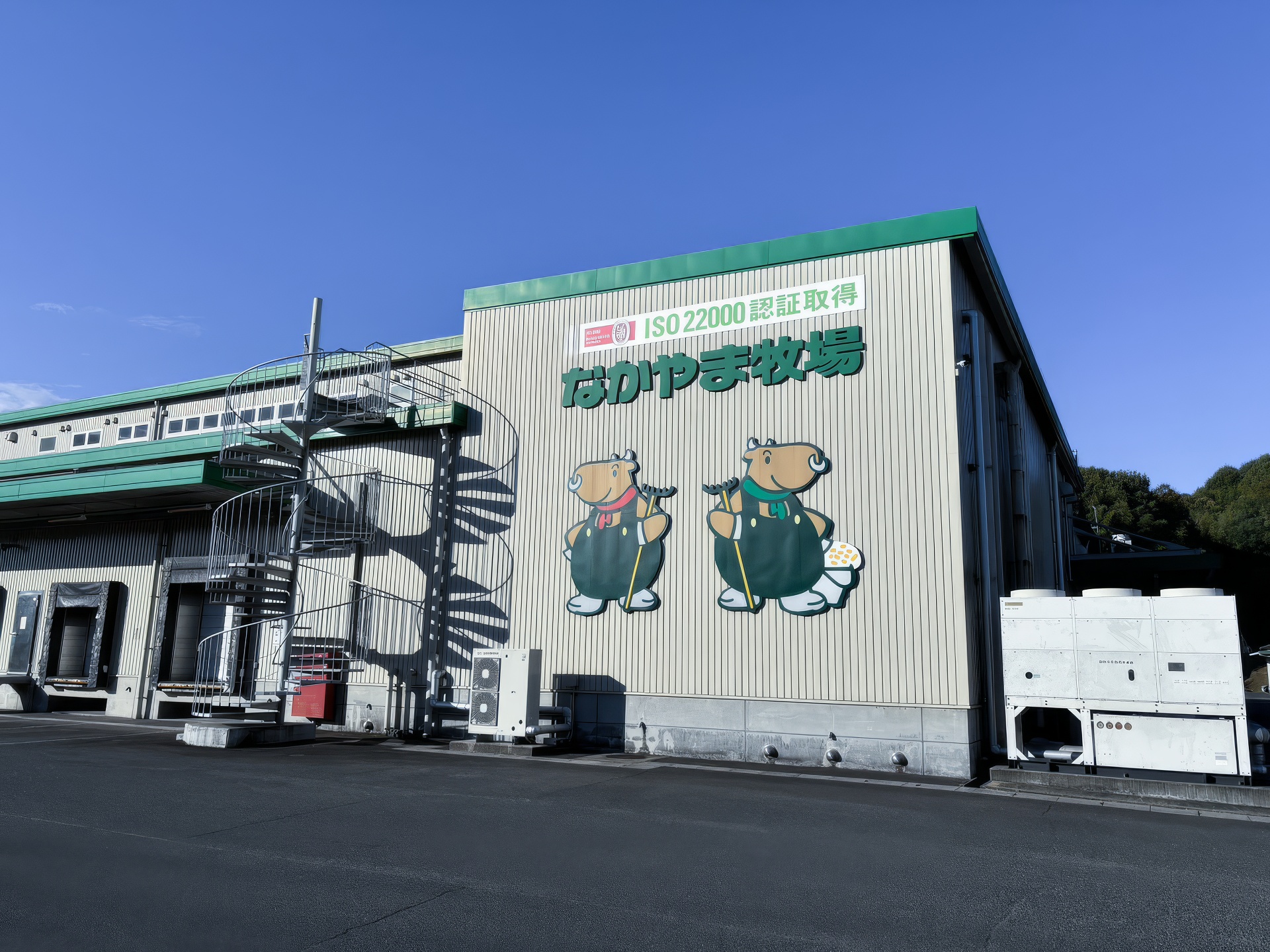
We visited the company’s headquarters and beef processing facility in Fukuyama City, Hiroshima Prefecture, to learn how temperature management is handled in practice.
| Date | October 17, 2024 |
|---|---|
| Place | Nakayama Farm (Nakayama Bokujo Co., Ltd.) |
| Models in Use | RTR500BW, RTR502BL |
| Purpose | HACCP-compliant temperature monitoring |
First, could you tell us about your business?
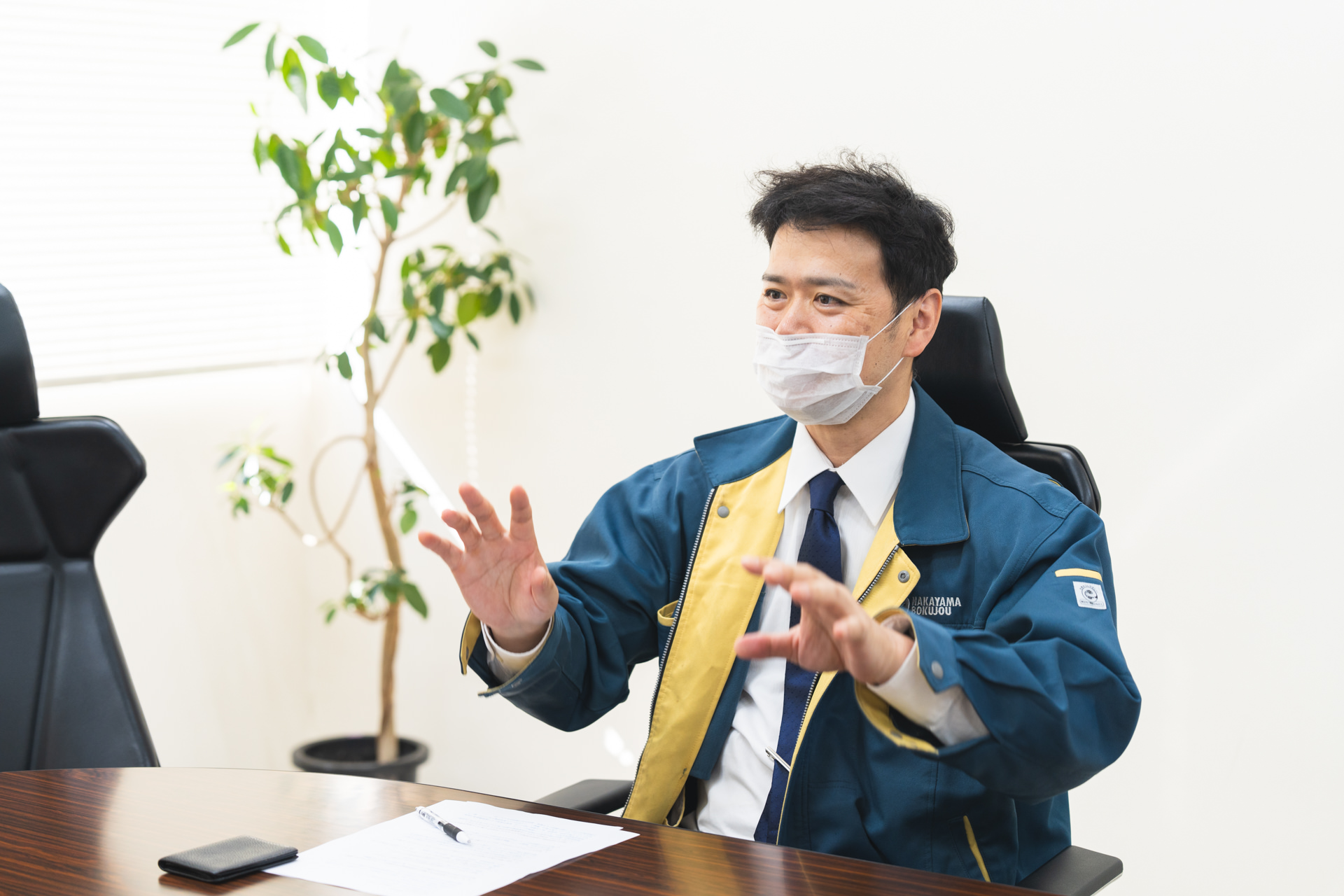
Mr. Okamoto (Beef Processing Manager):
Our company was founded in 1970. We raise cattle at our own farms as well as partner farms, process the beef at our own facility, and sell our products through directly operated supermarkets (*). We also supply supermarkets, large retailers, well-known restaurants, and hotels across Japan.
In total, we raise about 9,600 head of cattle. Companies that handle everything—from raising and processing to sales—are quite rare, and we’re often told that Nakayama Farm was one of the first to adopt this integrated business model. This structure allows us to maintain food safety and quality while operating efficiently.
(*) As of November 2024, Nakayama Farm operates supermarkets in Fukuyama City (7 locations), Ibara City (1), and Kurashiki City (3).
――How many company-owned farms do you operate?
Mr. Okamoto:
We operate three directly managed farms. One is located about 20 minutes north of our headquarters, where we raise around 7,000 cattle. We also have two farms in Okayama Prefecture—about 1,300 head in Kasaoka City and 700 head in Maniwa City.
―― Besides supermarkets, where are your products shipped?
Mr. Okamoto:
We also supply restaurants and hotels in the Tokyo area. Many of them choose our beef after tasting it and visiting our farms or processing facilities.
Our beef is sold under our own brand name, Nakayama Beef.
―― We’ve heard of “Jinseki Beef.” Is that also one of your brands?
Mr. Okamoto:
Yes. Jinseki Beef is one of our branded beef lines. At Nakayama Farm, cattle that are raised for at least eight months before shipment using our proprietary feed and production methods are branded as Nakayama Beef.
Within this category, we offer Jinseki Beef (Japanese black cattle) and Kogen Kuro-ushi (crossbred cattle).
―― Do you place special importance on the feed given to the cattle?
Mr. Okamoto:
We use our own specially formulated feed, with corn accounting for more than 60–70% of the mix. Feeding corn enhances the richness of lean meat, makes the meat more tender, and gives the fat a pleasant sweetness. Since feed directly affects meat quality, we place great importance on it.
―― We understand you also use a system called “Farmnote.” Could you explain that?
Mr. Okamoto:
Traditionally, cattle raising has relied heavily on individual experience. Farmnote is a cloud-based cattle management system designed to prevent over-reliance on individuals and to support large-scale operations while maintaining consistent quality.
Using this system, we manage data such as treatment history and barn movement records so that the same information can be shared across the team. We also use this data to improve feeding methods, meat quality, and weight gain.
Could you walk us through how cattle reach consumers after being raised?
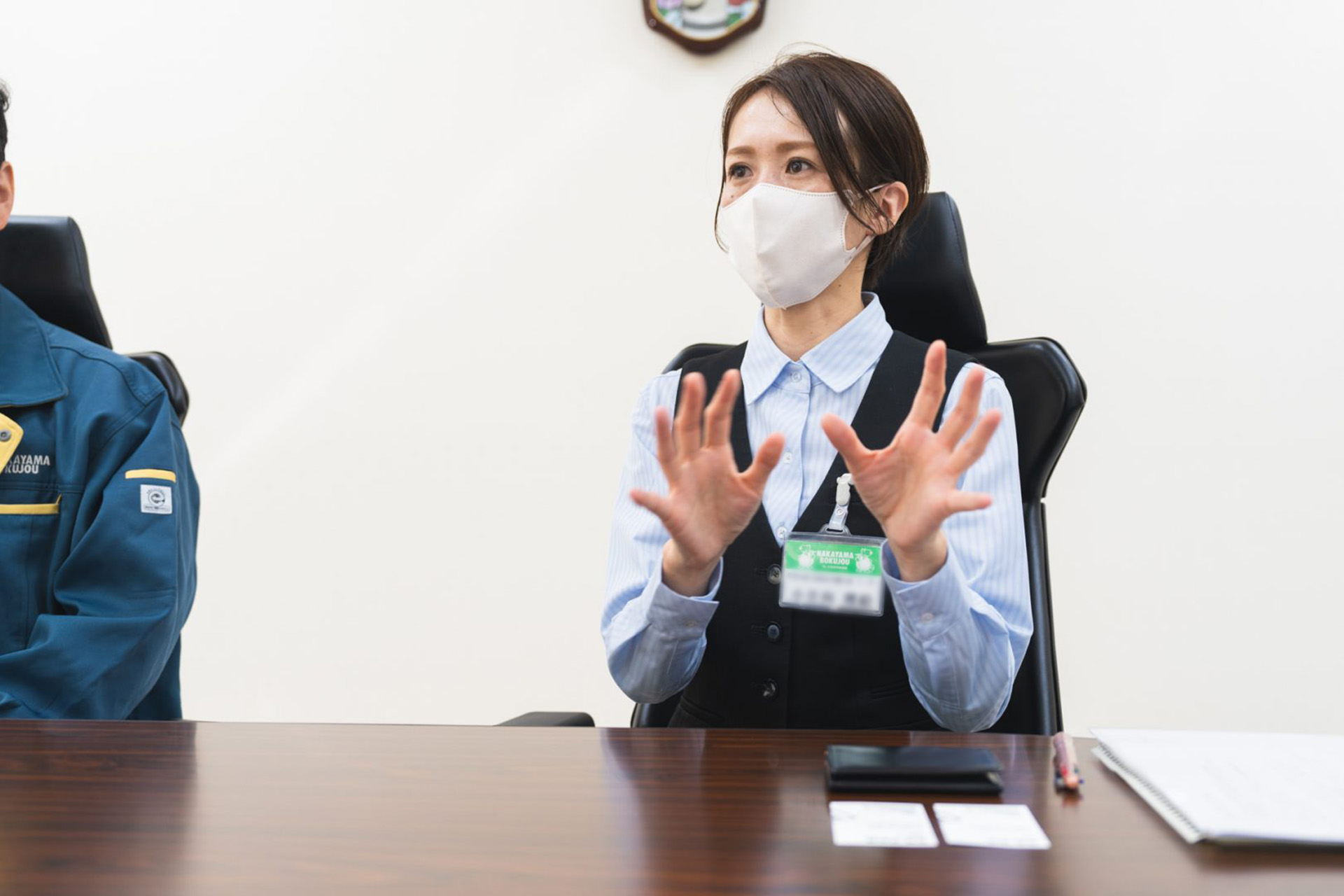
Ms. Obinata (Food Safety Team Leader):
After being raised, cattle are transported from our farms to a public slaughterhouse. They are then brought to our processing facility as carcasses.
At the facility, the carcasses are broken down and trimmed into primal cuts. We also process the meat according to customer specifications, including steak cuts and yakiniku (Japanese-style grilled meat) cuts that are ready for consumers.
―― Do you offer customized cuts?
Mr. Okamoto:
Yes, we handle cuts tailored to individual customer requests. That level of flexibility is one of our strengths.
From there, the processed beef is prepared for shipment to customers across Japan.
How does temperature control fit into your HACCP management?
Ms. Obinata:
We are certified under ISO 22000 and manage temperature based on HACCP principles. General hygiene management forms the foundation, and HACCP builds on it.
One key step in HACCP is hazard analysis. For example, during storage, microbial growth is a potential risk. To mitigate that risk, proper temperature control is essential. That’s why monitoring storage areas and workspaces throughout each process—from receiving raw materials to shipping finished products—is so important.
―― Besides the risk of microbial growth, are there any other factors that need to be controlled?
Ms. Obinata:
In addition to food safety, quality control is also critical. If fresh meat is not stored at appropriate temperatures, discoloration can occur. Because we handle raw meat, maintaining proper temperature control is essential for both safety and quality.
Touring the Processing Facility
After discussing temperature control from a HACCP perspective, we were invited to tour the processing facility.
Wearing protective coats, we stepped into the processing area, where the first thing that caught our attention was the scale of the carcasses being processed on site.
What kind of processing is carried out at this stage?
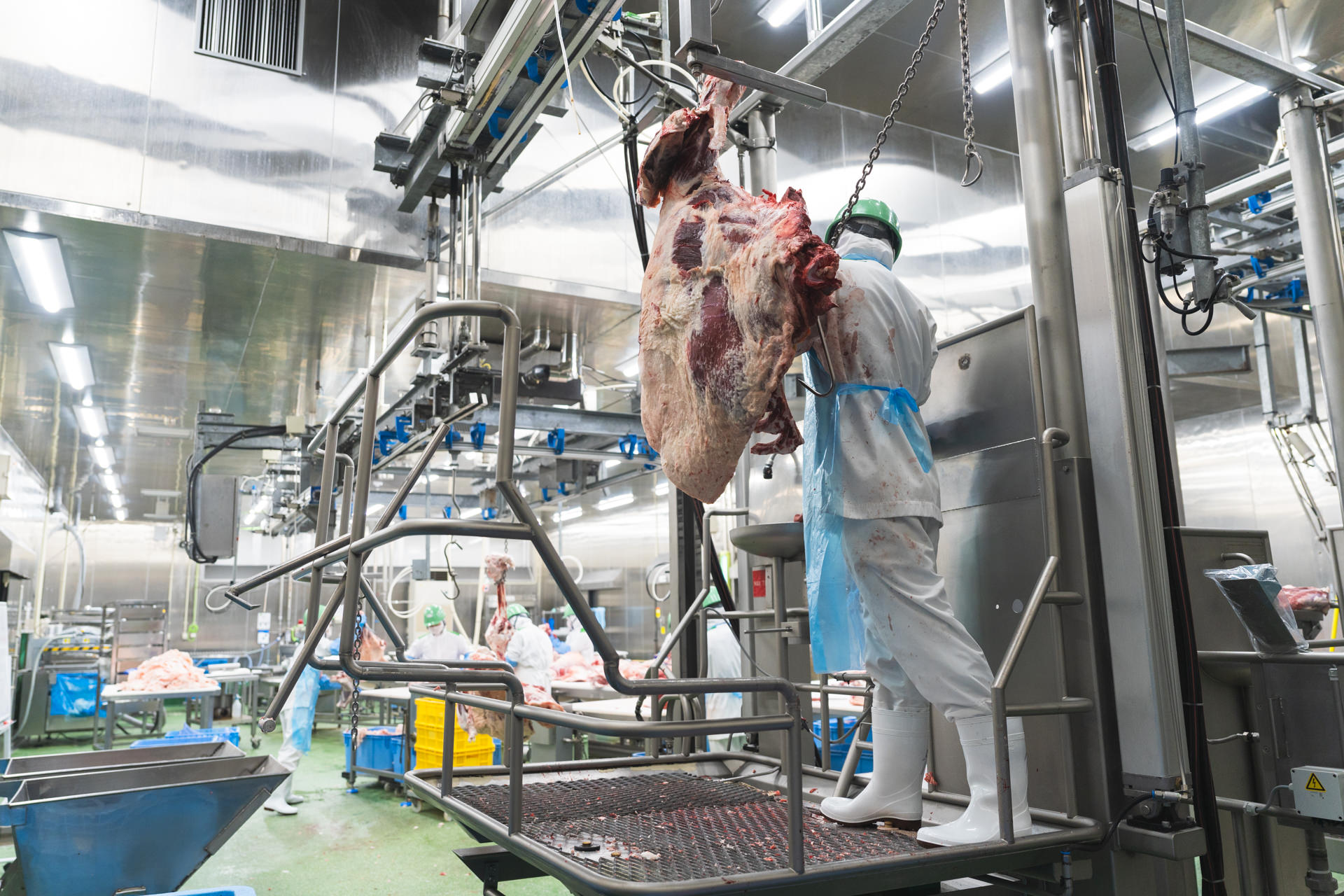
Ms. Obinata:
At this stage, excess fat—such as back fat and kidney fat—is removed, and the carcasses are separated into sections before moving on to the next process.
Once the carcasses are divided into primal cuts, the meat is further processed depending on customer requirements, including steak cuts and yakiniku cuts.
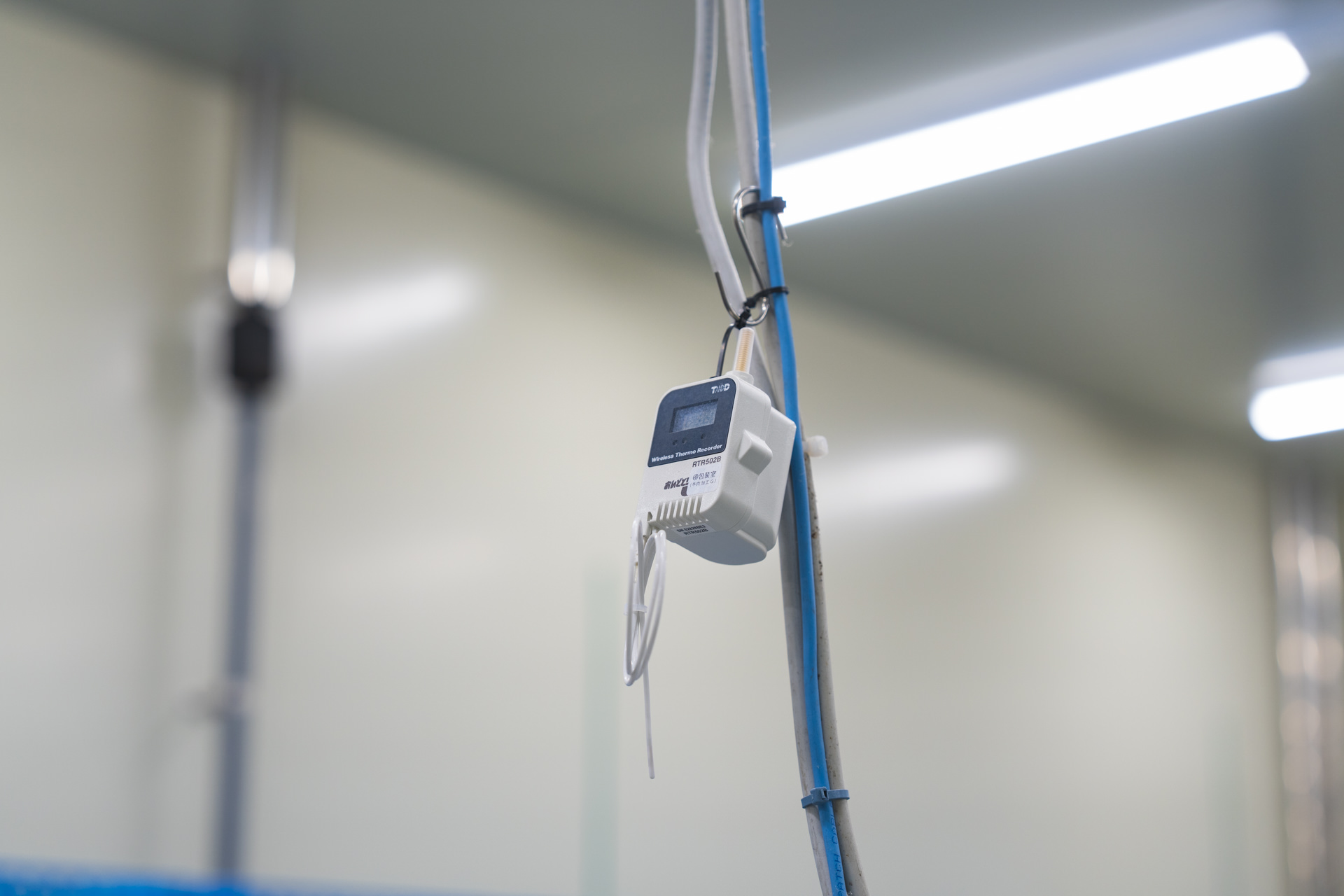
Temperature is continuously monitored in these work areas to ensure proper conditions during processing.
―― What happens after processing, before the beef is shipped?
Ms. Obinata:
After processing, the beef is labeled by destination, stored under controlled temperatures, and prepared for shipment. Each package is labeled with individual identification information, so that if any issue were to arise after shipment, the product can be traced back to its origin.
This traceability system is a standard requirement in Japan and plays an important role in ensuring food safety and consumer trust.
Why did you decide to implement T&D data loggers?

Ms. Obinata:
After HACCP became mandatory in 2021, it became clear that manual temperature checks were no longer sufficient. At the same time, we were dealing with labor shortages and needed to improve efficiency.
Temperature checks were previously done by staff three times a day and recorded by hand. We wanted to move toward a system that could collect data automatically.
However, our refrigeration and freezing facilities have thick walls and a solid structure, so we weren’t sure whether wireless monitoring would work reliably.
As our IT initiatives progressed over the past two years, we revisited temperature management—and that’s when we found T&D data loggers.
―― How has temperature management changed since then?
Ms. Obinata:
Monitoring is now automated, and temperature data is continuously recorded. This has significantly reduced workload.
Mr. Okamoto:
Previously, we only knew the temperature at specific moments. Now we can review detailed temperature trends, and if something abnormal occurs, we receive alert emails. This makes it much easier to respond quickly and maintain HACCP compliance.
Finally, do you have any feedback or requests regarding T&D’s products or services?
Ms. Obinata:
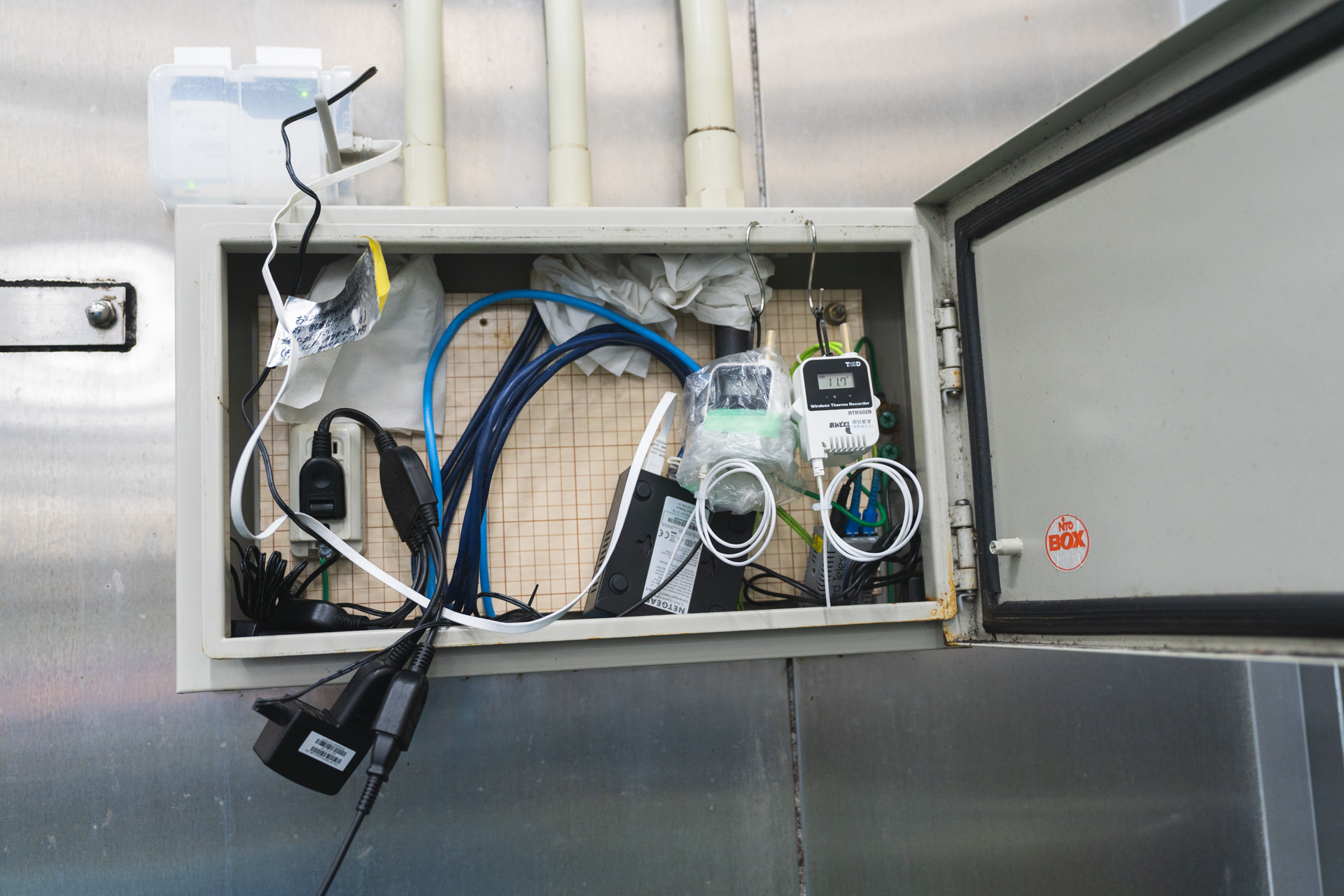
We appreciate that T&D provides apps and software free of charge after purchase. Due to security reasons, we don’t use T&D WebStorage Service (a free cloud-based service), but the local server software T&D Data Server is also available at no cost and allows us to review data and receive alert emails.
As for future improvements, we have three requests:
- An additional alert email if a warning condition continues for a specified period after the initial alert
- The ability to turn warning monitoring on and off by time of day
- A memo field to record actions taken during abnormal events, which would be helpful for HACCP reviews
In Closing
Touring the processing facility made it clear how carefully temperature control, skilled on-site professionals, and digital tools work together.
Nakayama Farm’s approach—combining HACCP compliance, efficiency improvements, and IT-driven management—reflects challenges faced by many food manufacturers in Japan today.
Seeing this approach in action reaffirmed the role that T&D data loggers play in supporting food safety and quality at the operational level.
We sincerely thank everyone at Nakayama Farm for their cooperation during this interview.
Website:
https://www.nakayama-farm.jp/