
Note: Names of organizations, offices, departments, etc. in the article are as of when the article was first published.
Surrounded by the Japanese Alps, the city of Matsumoto in Nagano Prefecture is known for its historic castle and beautiful natural landscape.
For many local residents, however, another symbol of the city stands out just as strongly: Matsumoto Yamaga FC, a club with deep roots in its community.
The club’s long-standing slogan, “One Soul,” reflects the spirit that connects supporters, players, staff, and the local community.
At the club’s home stadium, Sunpro Alwin, that spirit can be felt not only in the stands but also behind the scenes, where technologies such as T&D data loggers quietly support stadium operations.
Matsumoto Yamaga FC: A Community-Driven Club
Matsumoto Yamaga FC is a professional soccer club in Japan’s J.League, known for its rapid rise to the top division and strong community support.
In 2021, T&D became an official sponsor of Matsumoto Yamaga FC, and its data loggers were installed at the club’s home stadium, Sunpro Alwin.
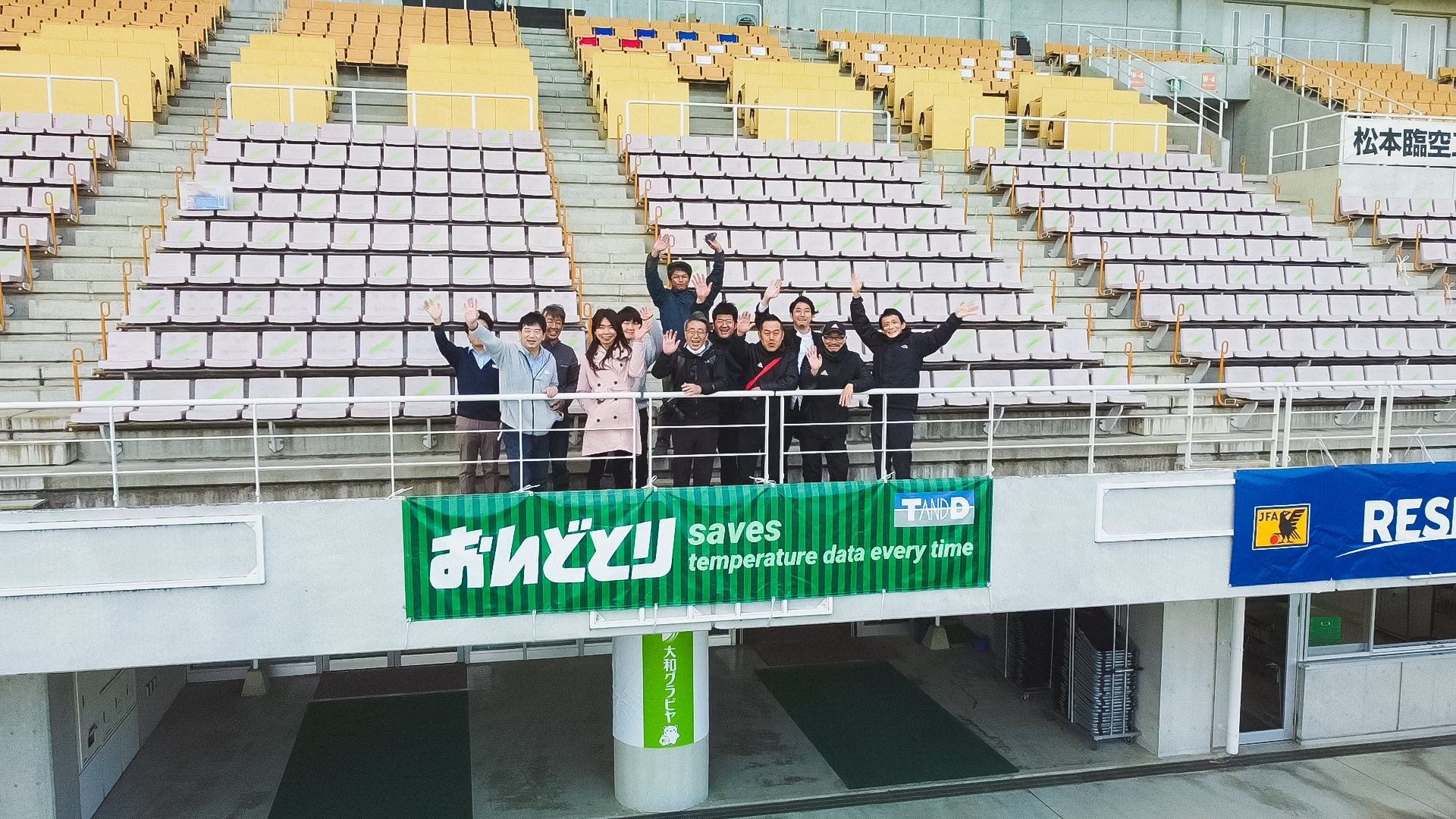
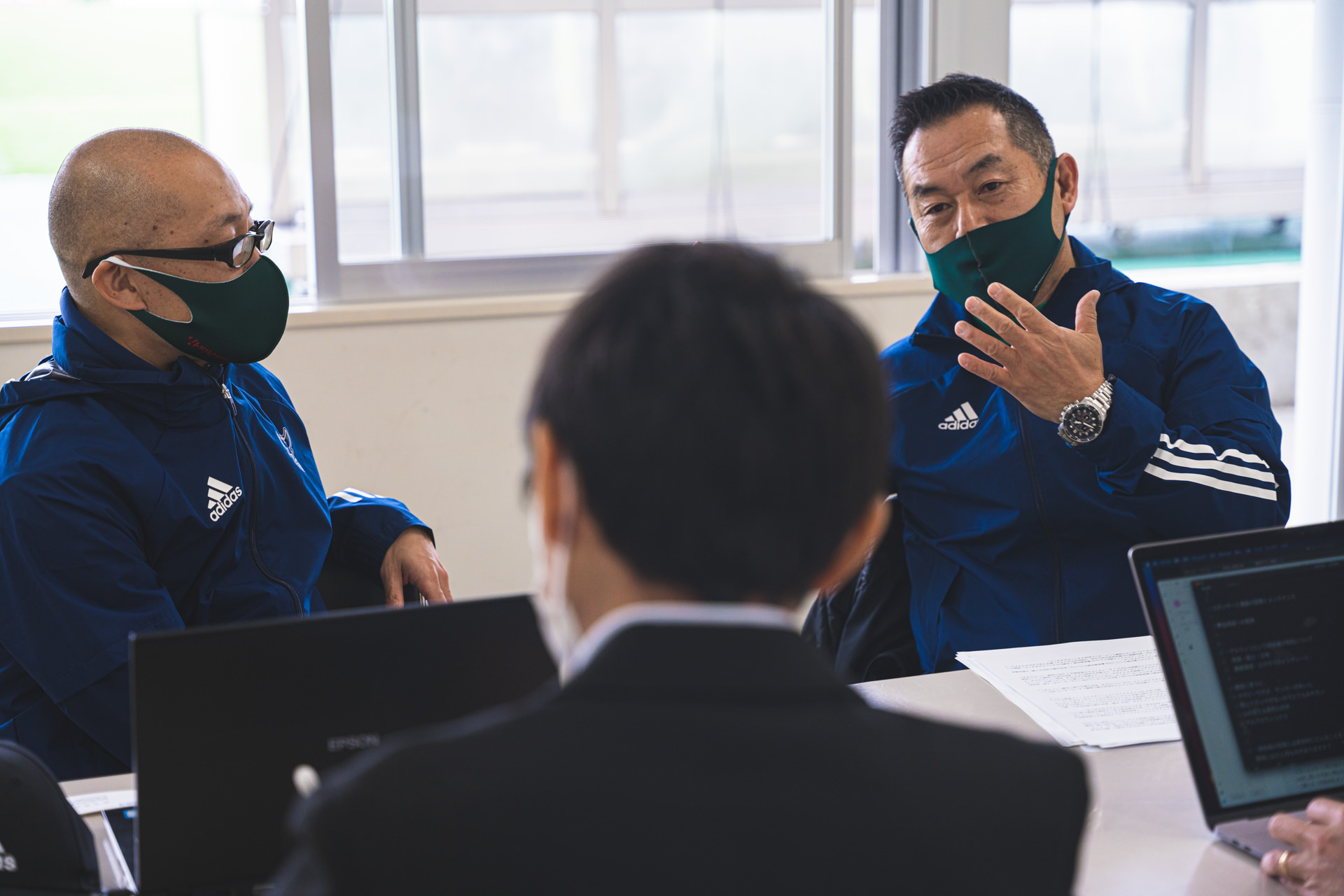
We visited the stadium to learn more about how the club operates and how the devices are used, speaking with Mr. Iwasaki from match operations and Mr. Shigehara from the sales team.
| Date | April 2021 |
|---|---|
| Place | Sunpro Alwin Stadium |
| Models in Use | RTR500BW, RTR503B |
Alwin — A Stadium Named for the Alps and the Wind
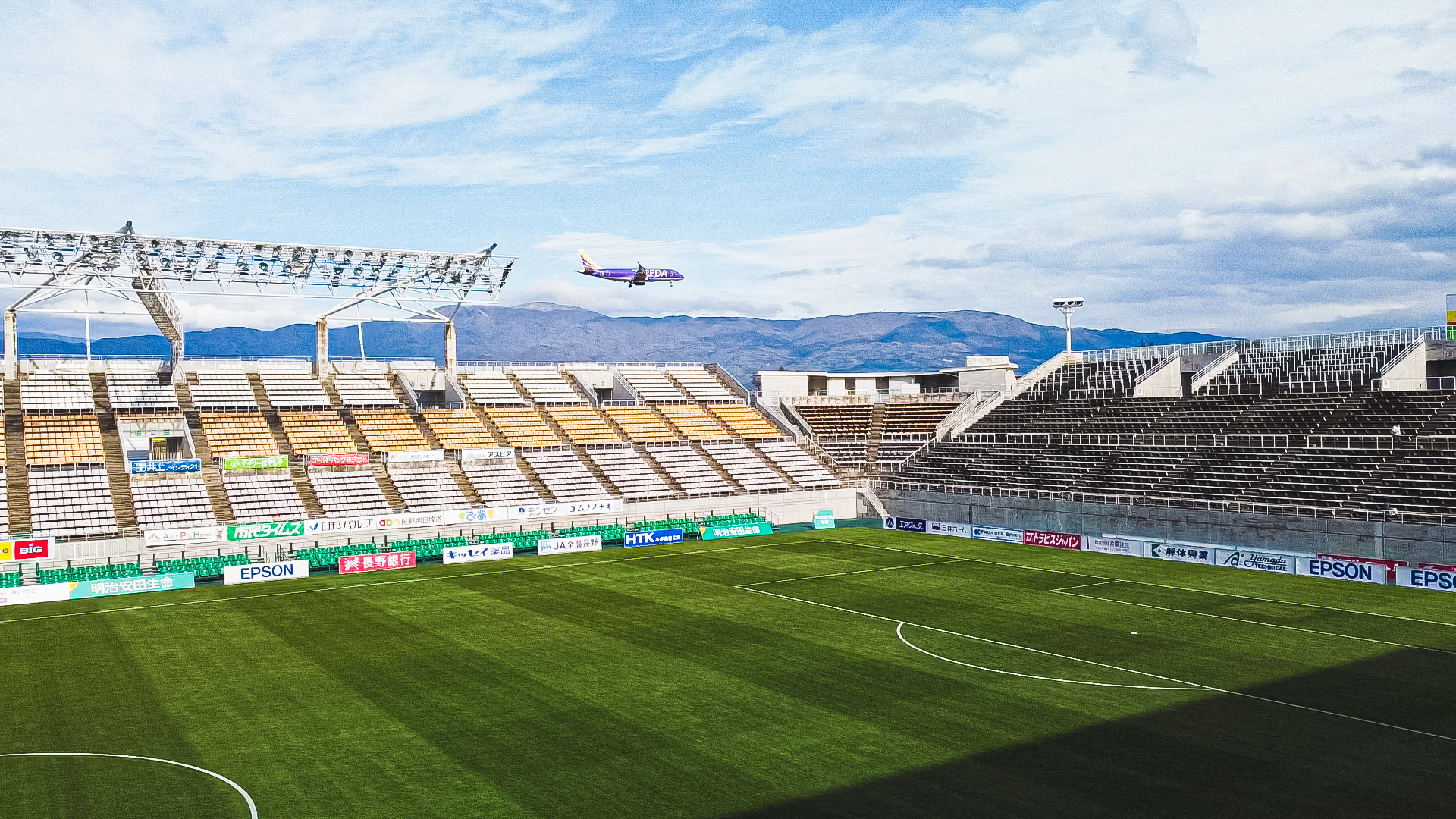
Sunpro Alwin Stadium is located about 30 minutes from downtown Matsumoto, within Shinshu Sky Park, a large recreational area surrounded by farmland.
With a capacity of around 20,000, it regularly attracts over 10,000 supporters on match days—an impressive figure for a region with a population of around 480,000.
One of the stadium’s distinctive features is the wind.
“We get a lot of days with really strong winds,” says Mr. Iwasaki.
“Sometimes even goal kicks get pushed back by the wind, so we have to read the conditions carefully.” (laughs)
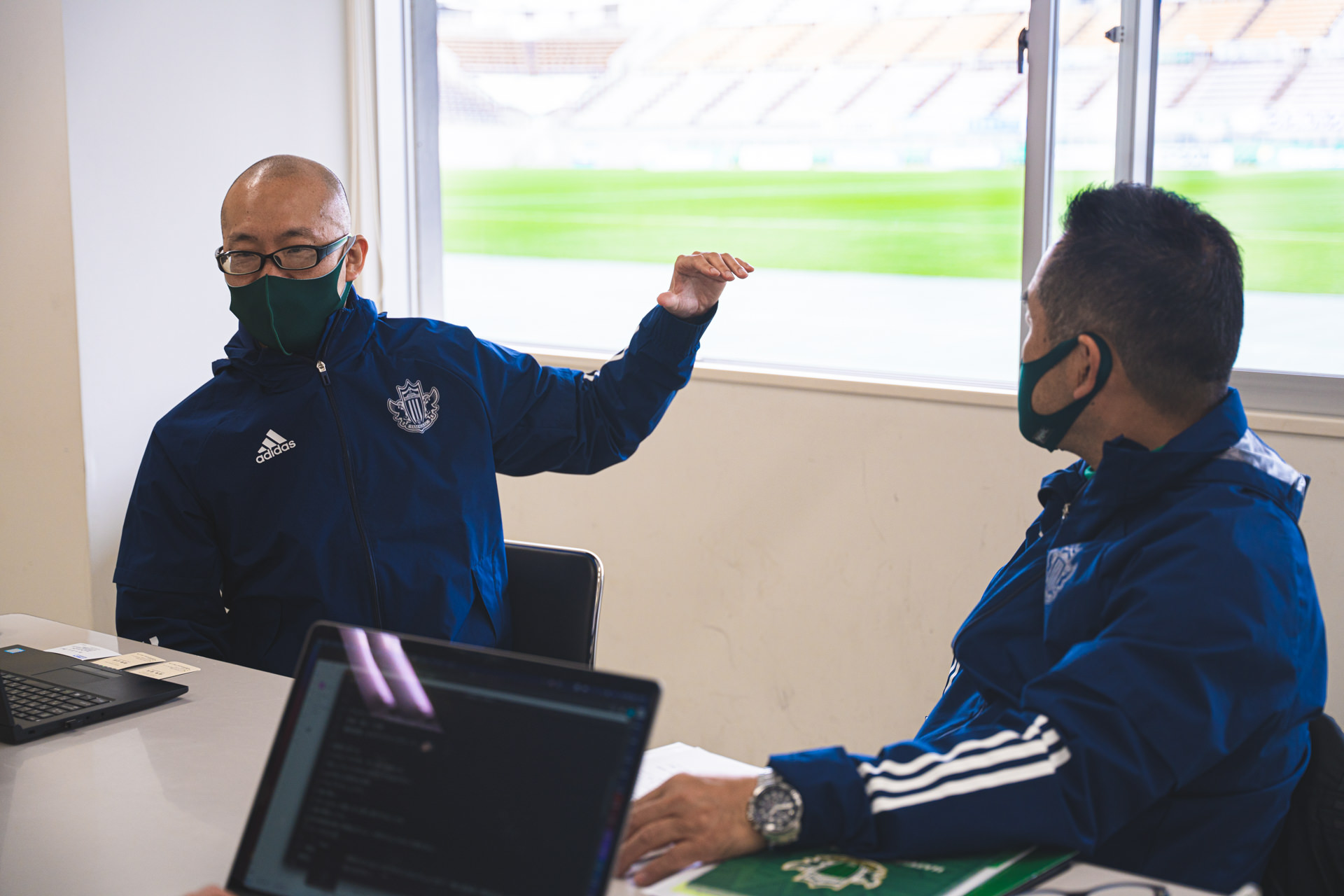
The most defining feature of Alwin, however, is how close the action feels.
Since Alwin is a stadium designed specifically for ball sports, there is no running track separating the pitch from the stands. As a result, spectators sit close to the field, with a clear view of the action.
This physical closeness allows fans to experience the game more directly, creating a strong sense of unity between players and supporters.
At Alwin, you can truly feel how the club’s “One Soul” spirit comes to life.
To enhance this sense of immersion even further, the stadium offers special seating known as the Exciting Pitch Seats.
From these seats, players sprint right past you just a few meters away, and spectators can watch the game at nearly the same eye level as the players.
You can hear sounds that are impossible to catch on television—the players’ voices, the sound of tackles—and even smell the grass from the pitch.
This creates an experience of intensity and immediacy rarely found in Japanese stadiums.
The idea for the Exciting Pitch Seats began during a casual conversation in 2016, when T&D’s president suggested bringing fans closer to the action.
At the time, attendance was increasing, and the club was beginning to face capacity limits. The idea offered a solution—enhancing the viewing experience while adding more seating.
After coordinating with the relevant authorities, the seats were installed the following year, in 2017.
“Watching players run right past you is incredible,” says Mr. Shigehara. “Very few stadiums in Japan offer this kind of proximity.”

One Soul – A Club Built Together
Mr. Iwasaki believes the strength of Matsumoto Yamaga lies in the relationship between the club and its supporters.
“We’re always working side by side to make Yamaga better,” he says. “We’ve found a good balance between the two, without prioritizing one side over the other.”
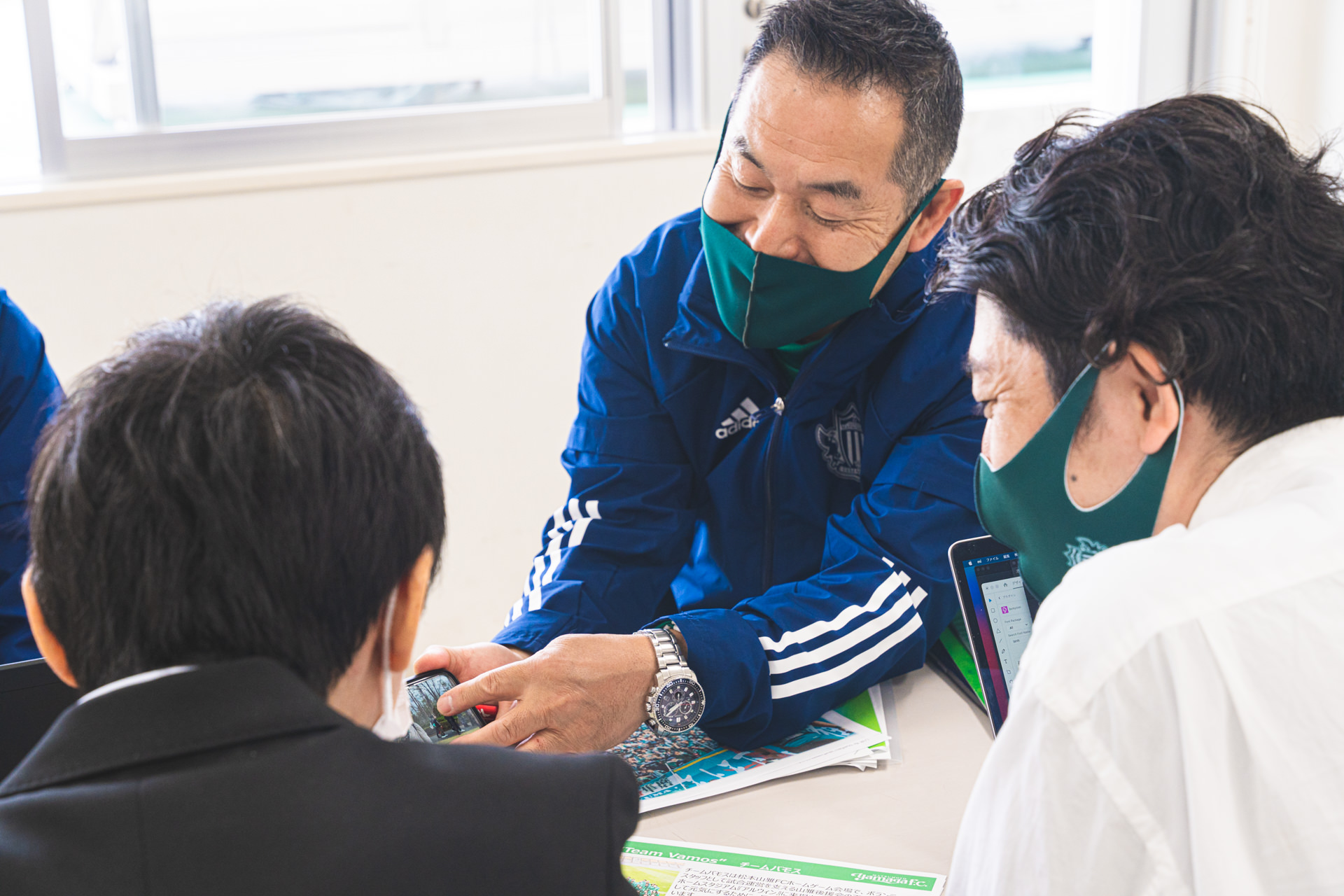
On match days, members of the club’s leadership greet supporters at the stadium entrance, speaking with them directly and attending post-match review meetings with Team Vamos, the volunteer staff who support match-day operations.
Around 100 volunteers take part in each game, ranging from students to retirees.
Supporters, staff, and volunteers all see themselves as part of the team, constantly thinking about what they can do to help the club.
This shared effort reflects Matsumoto Yamaga’s long-standing slogan: “One Soul.”
“Even after an away loss, supporters say things like, ‘Is there anything more we can do?’” Mr. Iwasaki says.
“They truly feel like they’re fighting alongside the team.”
Matsumoto Yamaga is also deeply involved in community activities, supporting the region in a wide range of ways.
As the community thrives, the club thrives as well.
This same spirit can also be seen in how the stadium is operated—where data quietly supports operations behind the scenes.
How Data Loggers Support Stadium Operations
As described earlier, Sunpro Alwin offers an extraordinary sense of closeness to the game, creating an exciting and immersive experience for supporters.
At the same time, the stadium has relatively limited roof coverage. While this open design allows spectators to enjoy views of the Northern Alps from inside the stadium, it also means that weather conditions can have a significant impact on the match-day experience.
For supporters planning to attend a game, simple questions become important:
How hot is it right now?
How humid is it inside the stadium?
To help answer these questions, T&D data loggers are installed throughout Sunpro Alwin to monitor temperature and humidity.
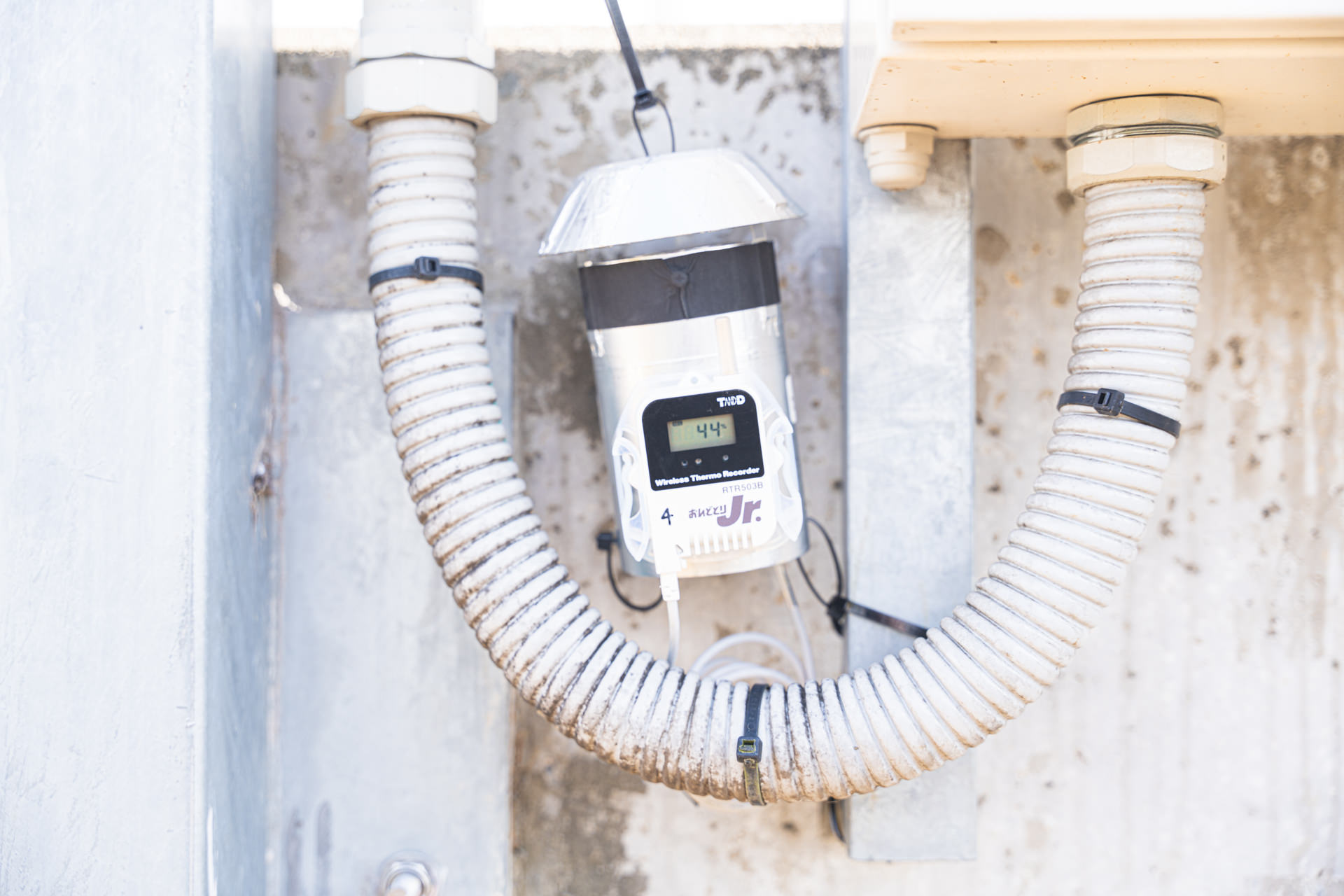
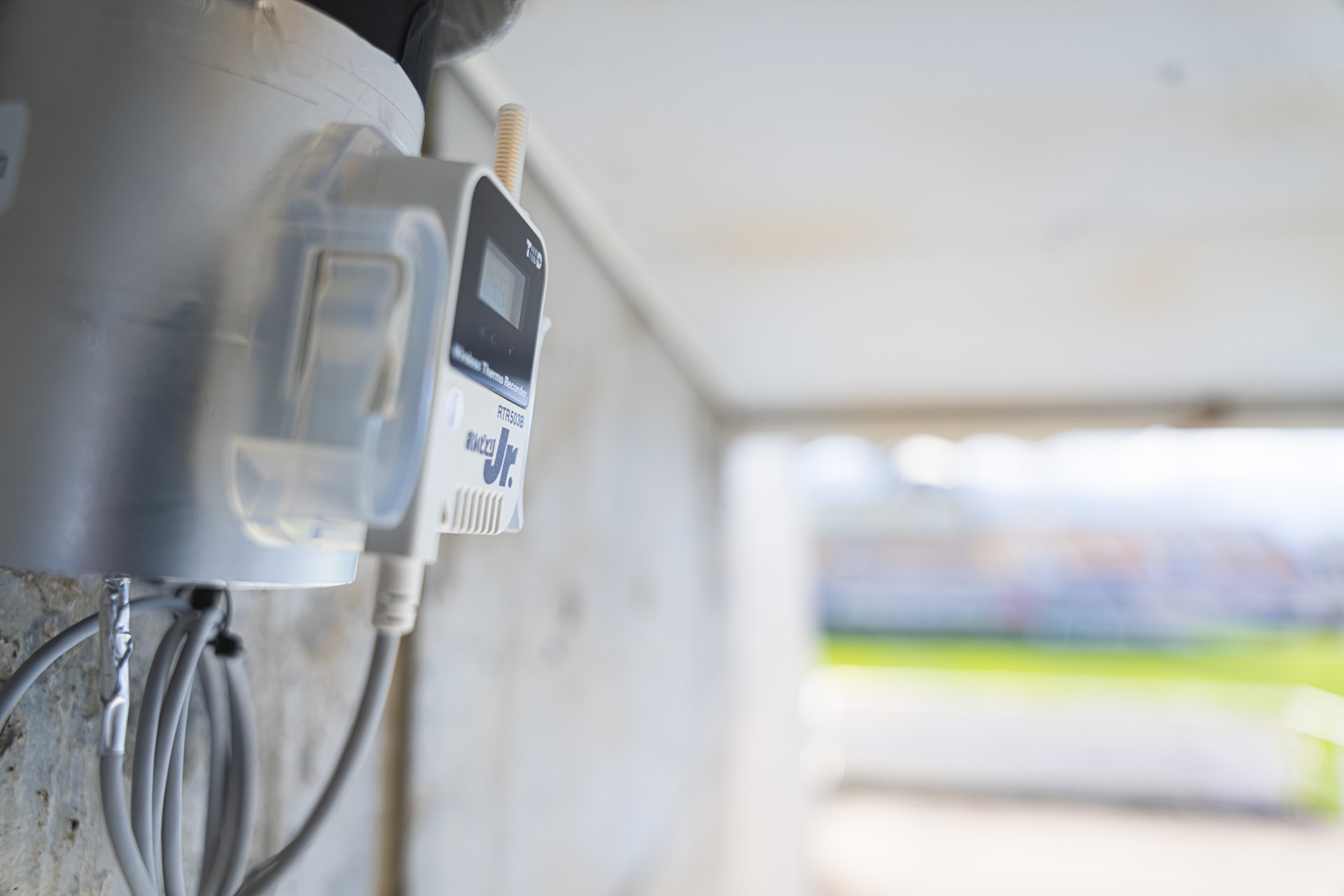
Currently, four RTR503B loggers are used, transmitting data wirelessly to an RTR500BW base station, which then sends the data to the cloud. Using a cloud-based platform with API integration, the data is displayed on the club’s official website.
This allows supporters to check current conditions before and during matches, helping them better prepare and adjust for a more comfortable viewing experience.
To ensure reliable measurements in this outdoor environment, several installation techniques are used.
To reduce the effects of direct sunlight and reflected heat, the sensors are placed inside cylindrical covers lined with reflective foil. These covers shield the sensors from solar radiation while still allowing air to circulate. The cylinders are intentionally left unsealed, and the sensors are positioned so they do not touch the inner walls, helping maintain accurate temperature and humidity readings.
Because humidity sensors cannot easily be made waterproof, careful shielding methods like these make it possible to use them effectively in a variety of outdoor environments.
Temperature and humidity data are important not only for spectators but also for the players on the pitch.
In the J.League, match regulations use the WBGT (Wet Bulb Globe Temperature) heat stress index to determine when to introduce water breaks or cooling breaks during games. If the WBGT exceeds 28, water breaks are introduced, and if it exceeds 31, cooling breaks are required.
Temperature and humidity are key factors used in calculating this index, making environmental monitoring an important part of match operations.
Matsumoto Yamaga also uses T&D CO₂ data loggers as part of its infection-prevention measures. Although CO₂ loggers are not installed in the stadium itself, they are used in offices and even on team buses during travel.
“We monitored CO₂ levels on buses during training camps in Shizuoka and Kagoshima,” Mr. Shigehara explains. “Being able to visualize the data was very important. It gave everyone peace of mind.”
“People’s perception of crowding can vary,” Mr. Iwasaki adds. “But when you have actual numbers, they provide a clear standard. Instead of relying on intuition or atmosphere, we can explain with confidence that the conditions are safe.”
Staff members monitor CO₂ levels during meetings and ventilate rooms when levels rise. Over time, these practices have become part of the club’s daily routine.
By making environmental conditions visible, data loggers help ensure safe stadium operations while enhancing the match-day experience.
In this way, the technology quietly supports the spirit that brings people together around the game.
Matsumoto Yamaga has grown together with its community, sharing both joy and hardship along the way. Supporters, staff, volunteers, and local businesses all look for ways to contribute.
Through this spirit of “One Soul,” the club has become a team that blurs the line between the club and its supporters.
For us as a manufacturer based in the same city, there is much to learn from that spirit.
Inspired by Yamaga’s example, we hope to continue creating products that our users value and trust.