
Note: Names of organizations, offices, departments, etc. in the article are as of when the article was first published.
In our previous article, we introduced Matsumoto—the historic castle town where T&D Data Loggers were born.
In this article, we explore spring landscapes in Matsumoto and the neighboring region of Azumino.
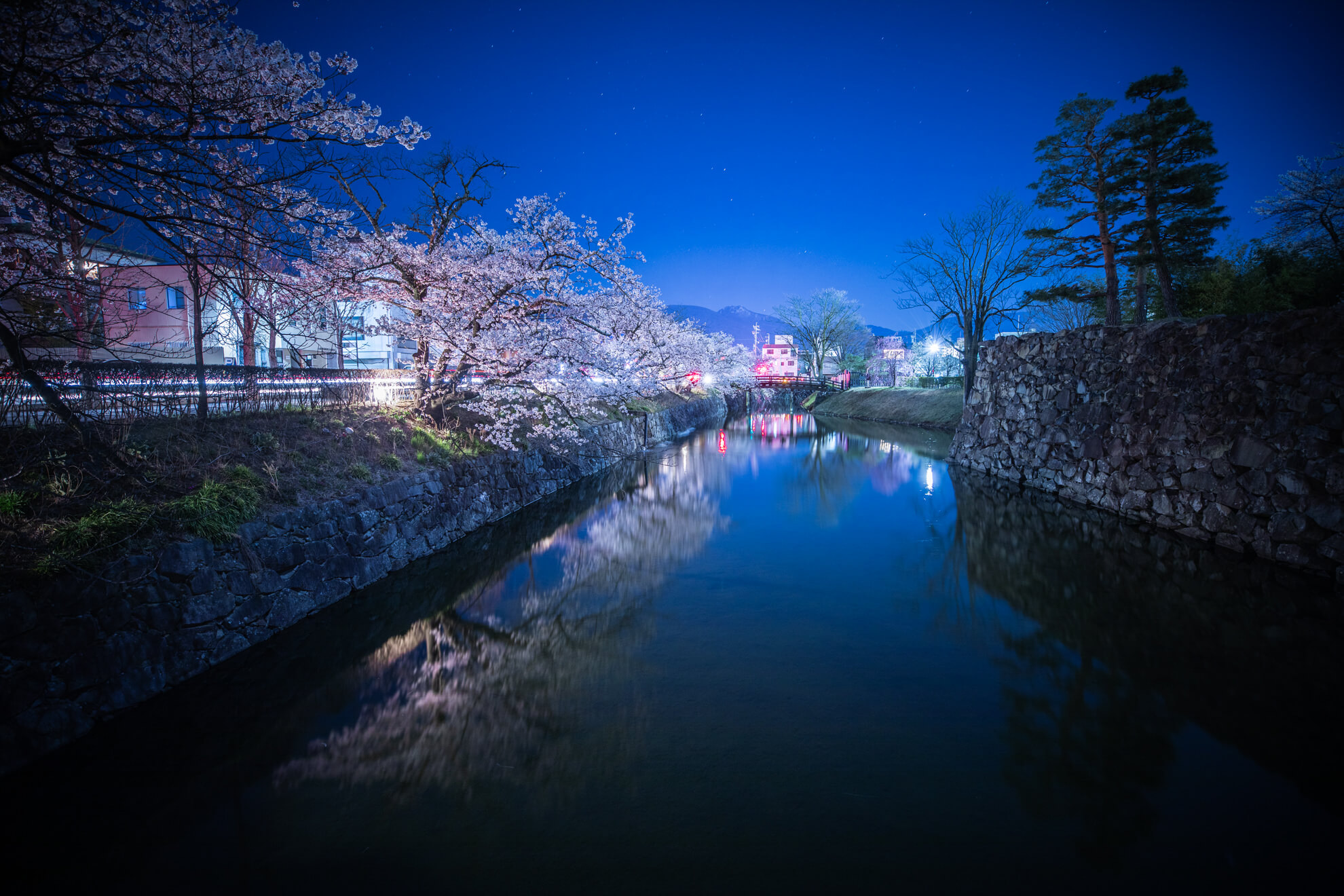
Cherry Blossoms at Matsumoto Castle
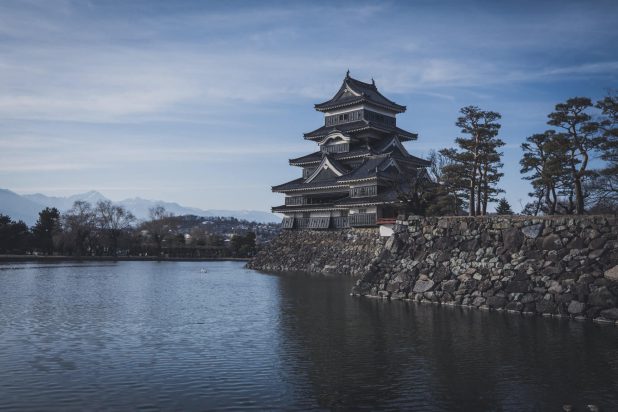
At the heart of the city stands Matsumoto Castle, a National Treasure of Japan.
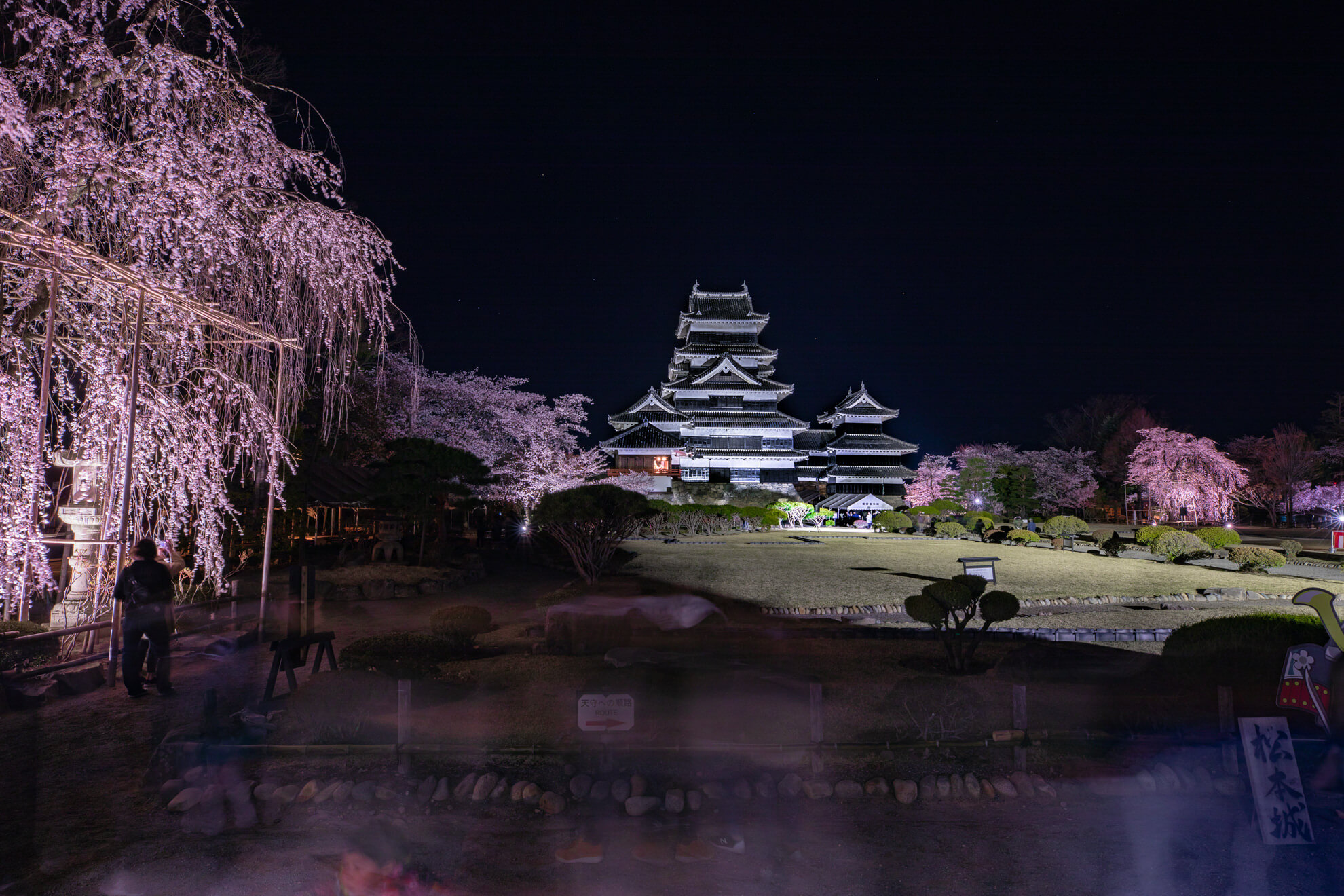
In spring, nearly 300 cherry trees bloom around the castle grounds, making the castle’s black-and-white silhouette even more striking.
When the blossoms reach their peak, the castle hosts the Nighttime Cherry Blossom Viewing, one of the city’s most anticipated spring events.
For eight days, the inner garden is opened to the public free of charge, and visitors can enjoy the illuminated castle and cherry blossoms after dark. Musical performances such as flute and traditional gagaku court music are also held, creating a festive atmosphere for evening blossom viewing.
Wasabi Fields of Azumino
A short trip from Matsumoto brings us to Azumino, a region known for its clear spring water and wasabi cultivation.
Here, spring quietly begins in the wasabi fields.
Daio Wasabi Farm, the largest wasabi farm in Japan, attracts many visitors during the summer months seeking a cool escape. In spring, however, the fields offer a beautiful contrast of colors—fresh green wasabi leaves, delicate white blossoms, and soft pink cherry flowers blooming nearby.
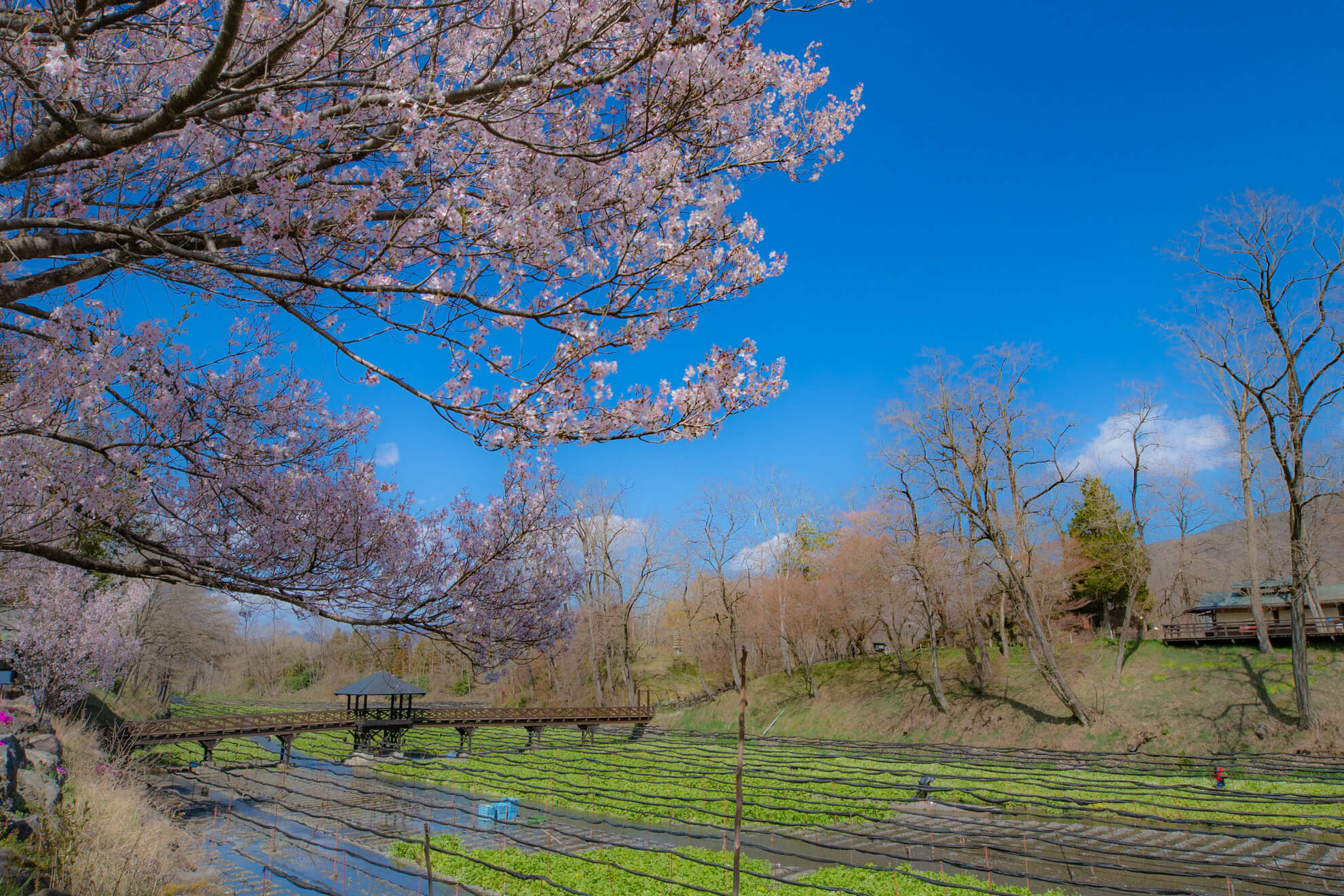
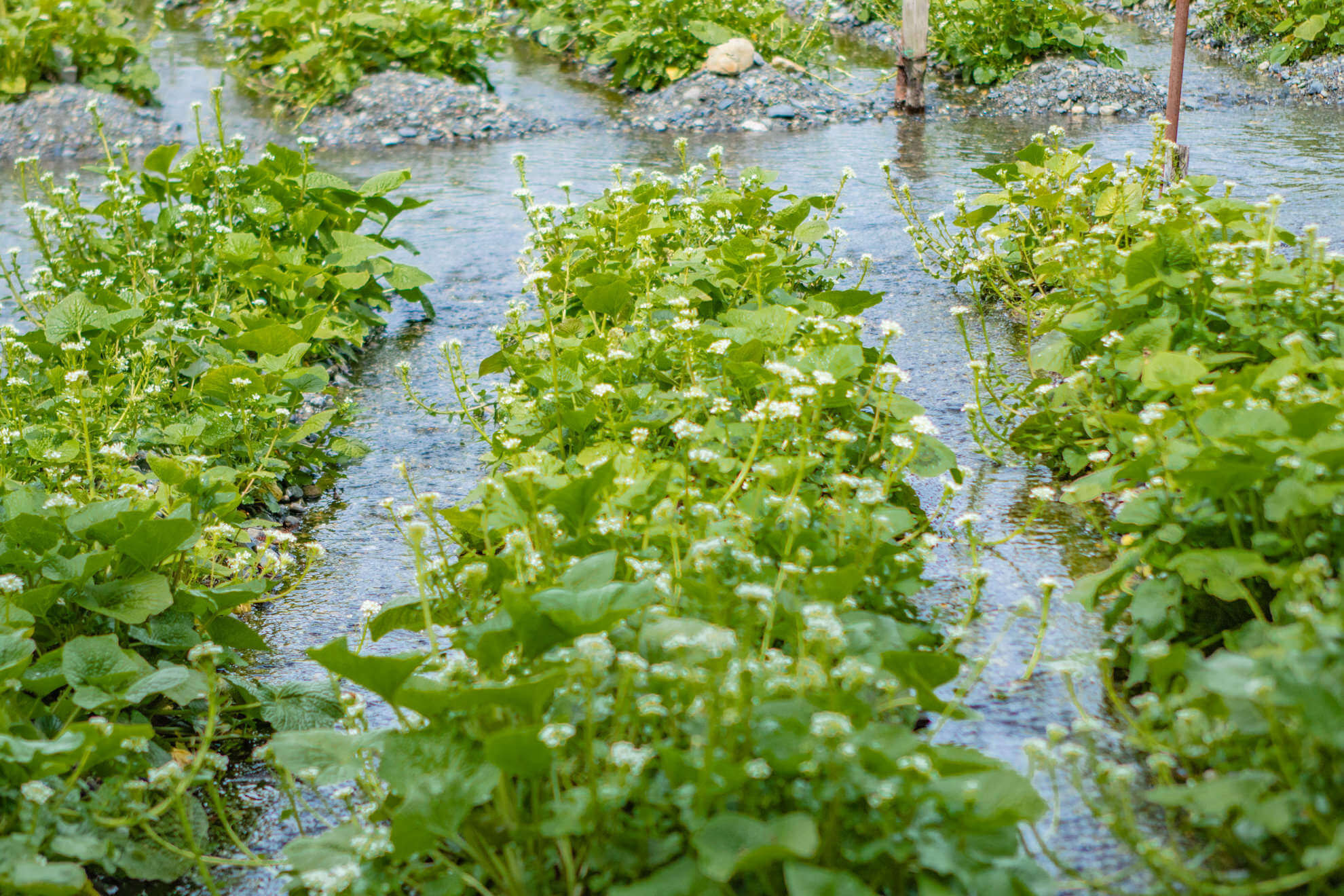
In March, small white flowers begin to appear across the wasabi fields—quietly announcing the arrival of spring in Azumino.
Wasabi belongs to the same plant family as rapeseed, but its flowers are soft white rather than yellow. The blossoms, known locally as hana-wasabi, are also enjoyed as a seasonal food and appear in local markets for a short time each spring.
The clean snowmelt water of the Northern Alps and the region’s cool climate create ideal conditions for growing high-quality wasabi.
The Jikka-segi Canal
Spring in Matsumoto and Azumino brings a unique sight—flowers begin to bloom across the valleys while the peaks of the Northern Alps remain covered in snow.
This landscape can be beautifully seen along the Jikka-segi Canal in Azumino.
Although Azumino is now known as a fertile agricultural region, the land was once difficult to farm. Because the area lies on an alluvial fan, water quickly seeped underground, making irrigation challenging.
To solve this problem, local farmers built irrigation canals called segi. One of them, the Jikka-segi Canal, stretches for about 15 kilometers (roughly 9 miles).
Remarkably, it was completed in just three months during the late Edo period with the help of many local farmers.
Today the canal still carries water through the region. Walking paths and cycling routes run alongside it, making it a peaceful place for residents to enjoy the scenery throughout the year.
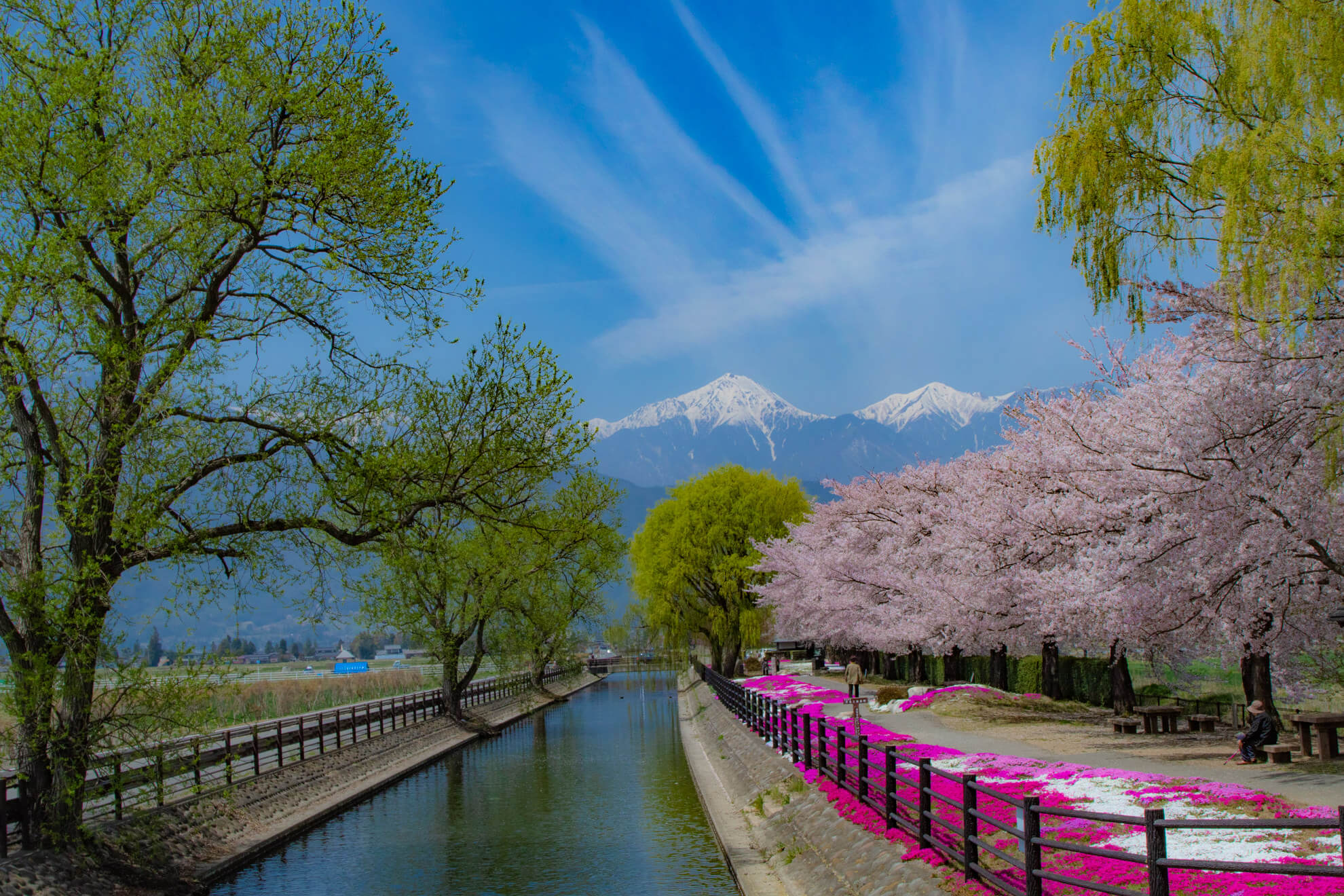
This spring landscape is part of everyday life in Matsumoto and Azumino—the region where T&D Data Loggers were born.
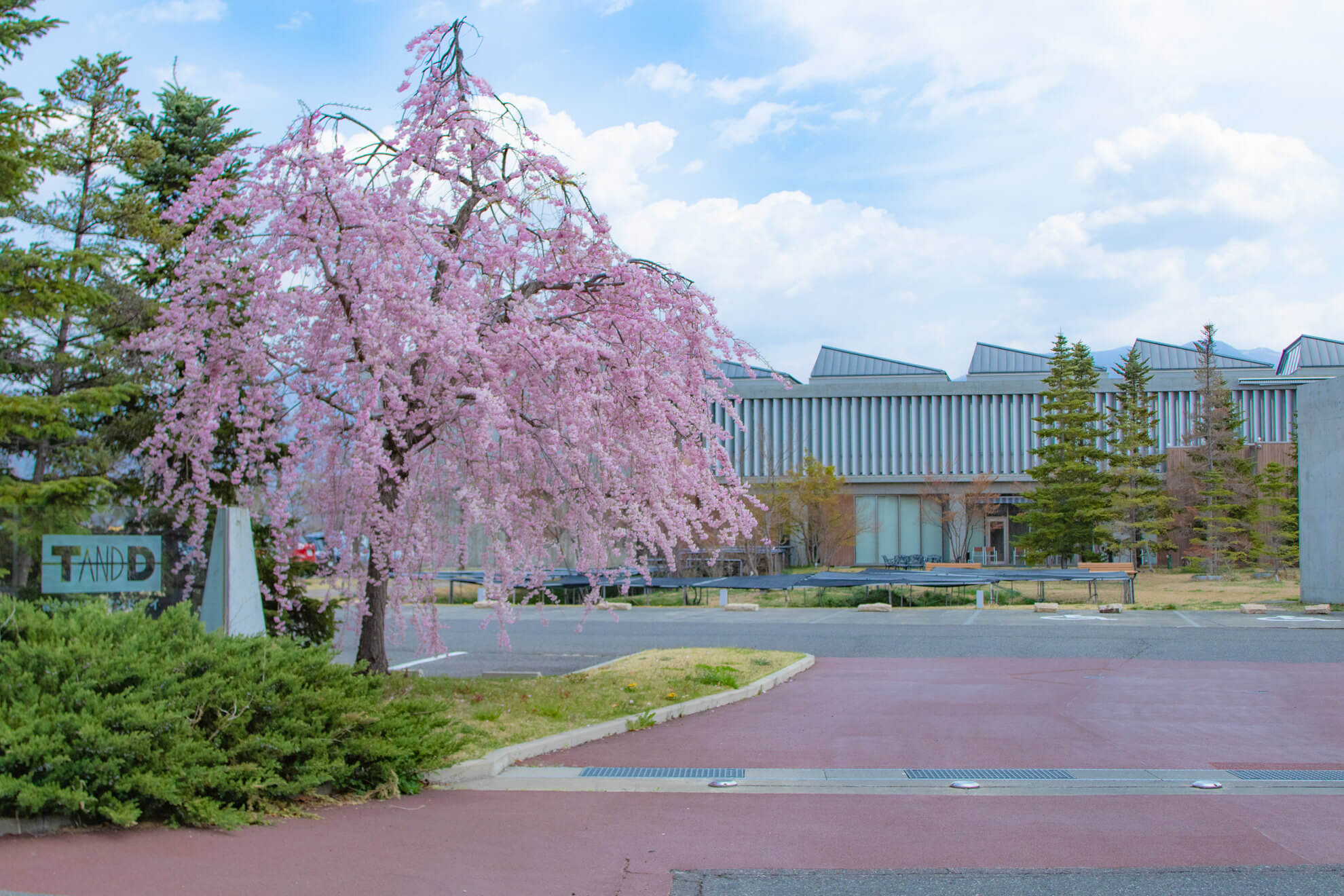
The weeping cherry tree in the opening photo stands on the grounds of T&D’s Matsumoto Base.
We hope this small glimpse of our hometown helps you imagine the place behind our products.