Note: Names of organizations, offices, departments, etc. in the article are as of when the article was first published.
It all began when we invited Mr. Nagasawa, an acquaintance of ours, to one of our company events.
“Is there any way to monitor and record the water level of the reservoir that supplies our community?”
This simple question marked the start of the project.
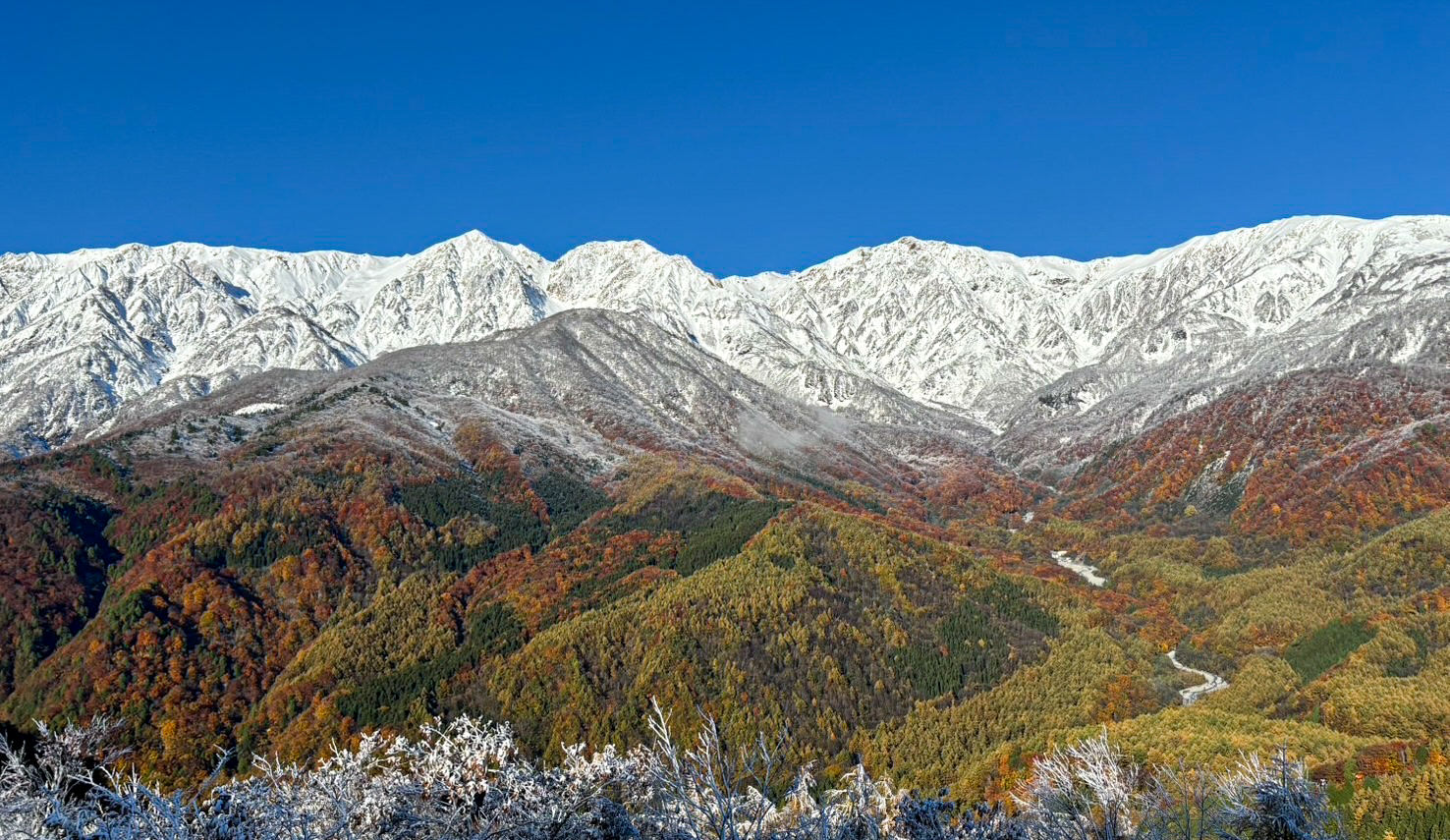
Mr. Nagasawa spent many years working as a civil engineer. Today, he lives in Hakuba—one of the host locations of the 1998 Nagano Winter Olympics—where he runs a lodge called Mujinazawa while also dedicating himself to rice farming. The lodge, quietly situated in the mountains, reflects the character of the area, where people live closely connected to nature.
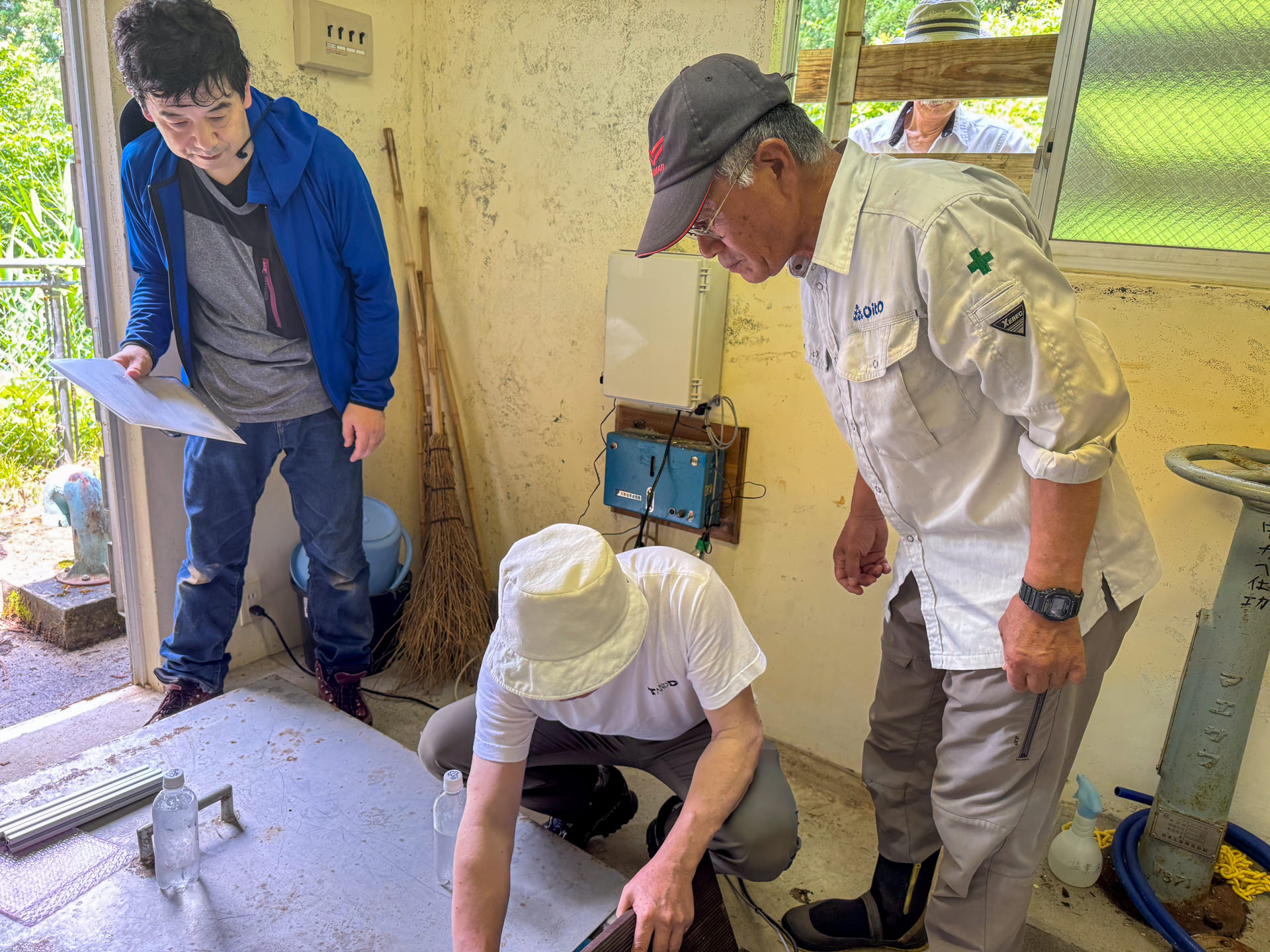
In a mountain area of Hakuba, where the terrain makes it difficult to install a centralized water system, residents rely on natural spring water collected near the mountain ridge and stored in reservoirs for their daily lives. To improve how this essential resource is managed, a remote monitoring system was introduced to make water levels and environmental conditions visible.
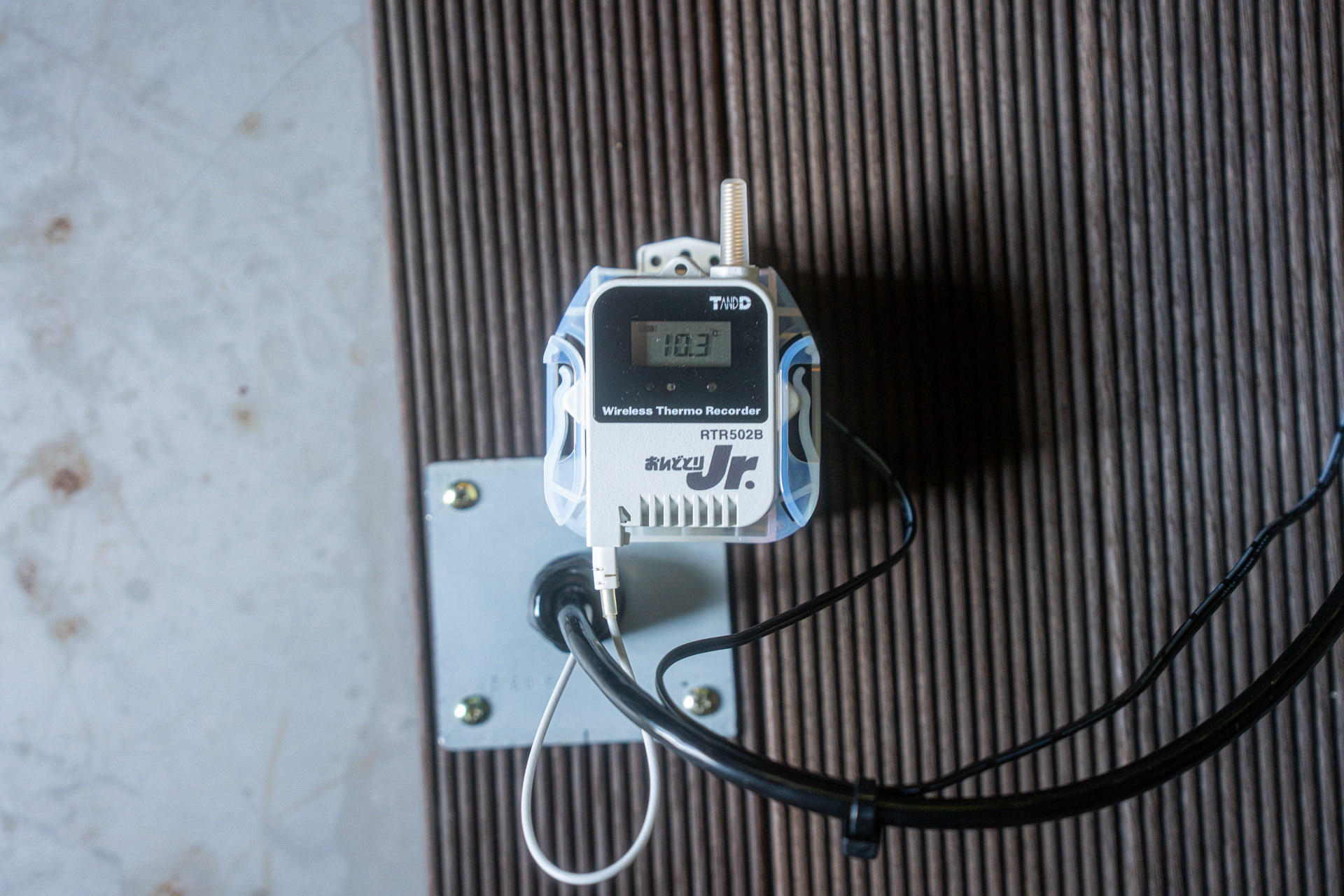
Using T&D data loggers, the system measures water levels, water temperature, and conditions inside the facility, with all data monitored wirelessly via T&D WebStorage Service (a free cloud service provided by T&D).
The sensor’s voltage output is converted into water level data, enabling accurate monitoring and recording. After assessing feasibility through a site visit, the system was installed and has been operating smoothly ever since—supporting daily life in the community.
To better understand the background and impact of this project, we spoke with several people in the community.
| Date | October 24, 2025 |
|---|---|
| Place | Uchiyama District, Hakuba, Nagano |
| Interviewees | Mr. Nagasawa (Owner of Lodge “Mujinazawa”) Mr. Watanabe (Resident who moved from Chiba in 2005) Mr. Hirose (Head of Water Supply and Sewer Division, Hakuba Village) Mr. Takahashi (Construction Engineer) Mr. Takaishi (District Head) |
| Models in Use | RTR505B + Voltage Module VIM-3010 (Water Level Measurement) RTR502B (Water Temperature Measurement) RTR503B (Facility Temperature & Humidity Measurement) RTR500BM (Mobile Communication) |
| Purpose | Monitoring water levels and environmental conditions to support reliable community water supply |
Life in the Community
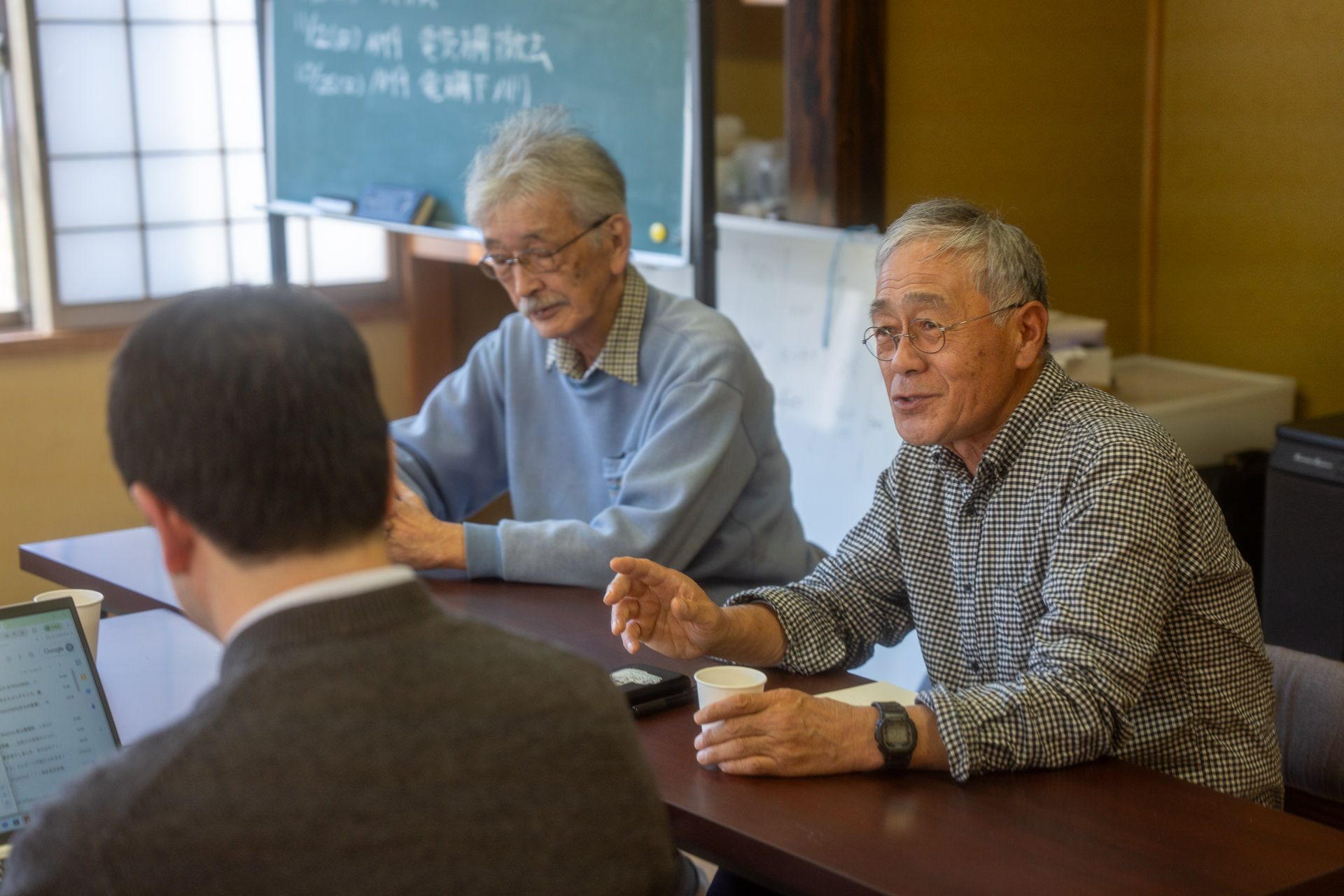
The Uchiyama area of Hakuba was once home to several lodges, especially during the summer when students visited for study camps.
“There used to be quite a few lodges here,” recalls Mr. Nagasawa.
Mr. Watanabe, who moved to the area in 2005, first visited Hakuba as a student.
“I came here for a training camp when I was a student,” he says.
Although the number of lodges has declined, the area continues to attract visitors seeking its quiet natural environment, with guests returning year after year, including researchers.
In addition to running the lodge, Mr. Nagasawa is also dedicated to rice farming. He has won a gold award at a rice competition and continues to refine his cultivation each year.
Recently, he began using T&D data loggers to better understand how temperature affects rice growth.
“I wanted to measure conditions directly in the field,” he explains.
Even though the logger is placed in the middle of the field, he can easily collect data via Bluetooth using his smartphone.
Life Supported by a Shared Water Source
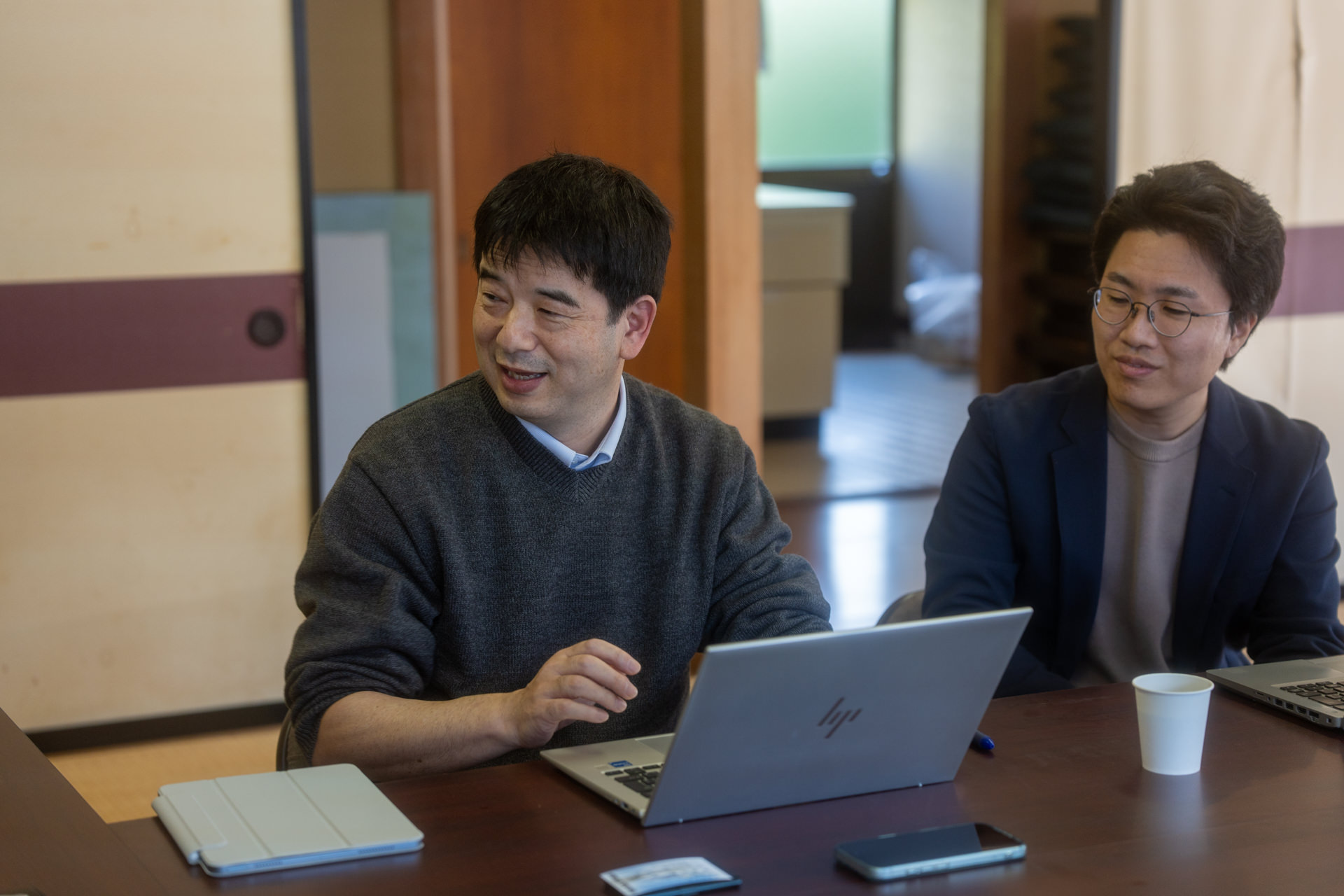
Due to the mountainous terrain, a centralized water system is not available in this area. Instead, residents rely on spring water collected near the mountain ridge.
In the past, water availability was checked visually, making it difficult to fully understand the situation.
Water availability can also be affected by natural factors, which makes it hard to predict changes based on experience alone.
Living with these challenges, a strong sense of responsibility has been passed down through generations.
“Water has always been precious here,” says Mr. Nagasawa. “My father used to say we could never afford to let it run out.”
His words reflect the community’s long-standing efforts to protect their water source.
A System Built Through Community Effort
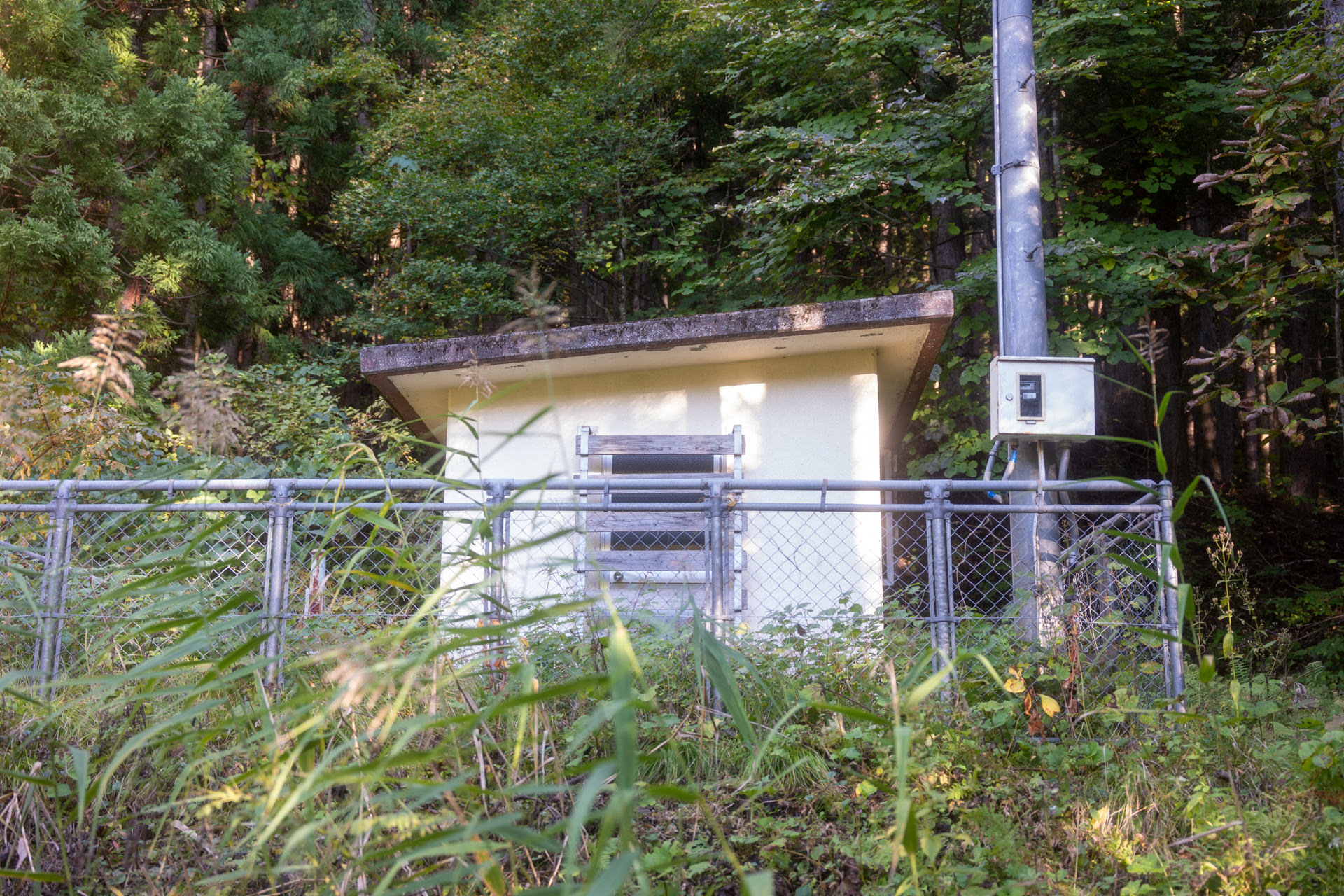
The current water system was not built overnight.
Decades ago, the area relied on smaller tanks, and at times stream water was even mixed in when supply was insufficient—leading to issues with water quality.
“There were times when leaves floated in the bath,” recalls Mr. Watanabe.
To address these issues, local residents—led by Mr. Nagasawa’s father—worked together to build the current system around 1989–1990. Today, the facility includes two large reservoirs with a combined capacity of approximately 48,000 liters (about 12,700 US gallons), allowing the community to rely entirely on clean spring water.
Even now, maintenance is carried out by the residents themselves, including an annual cleaning of the reservoirs. The system is truly supported by the community.
Insights Gained Through Monitoring
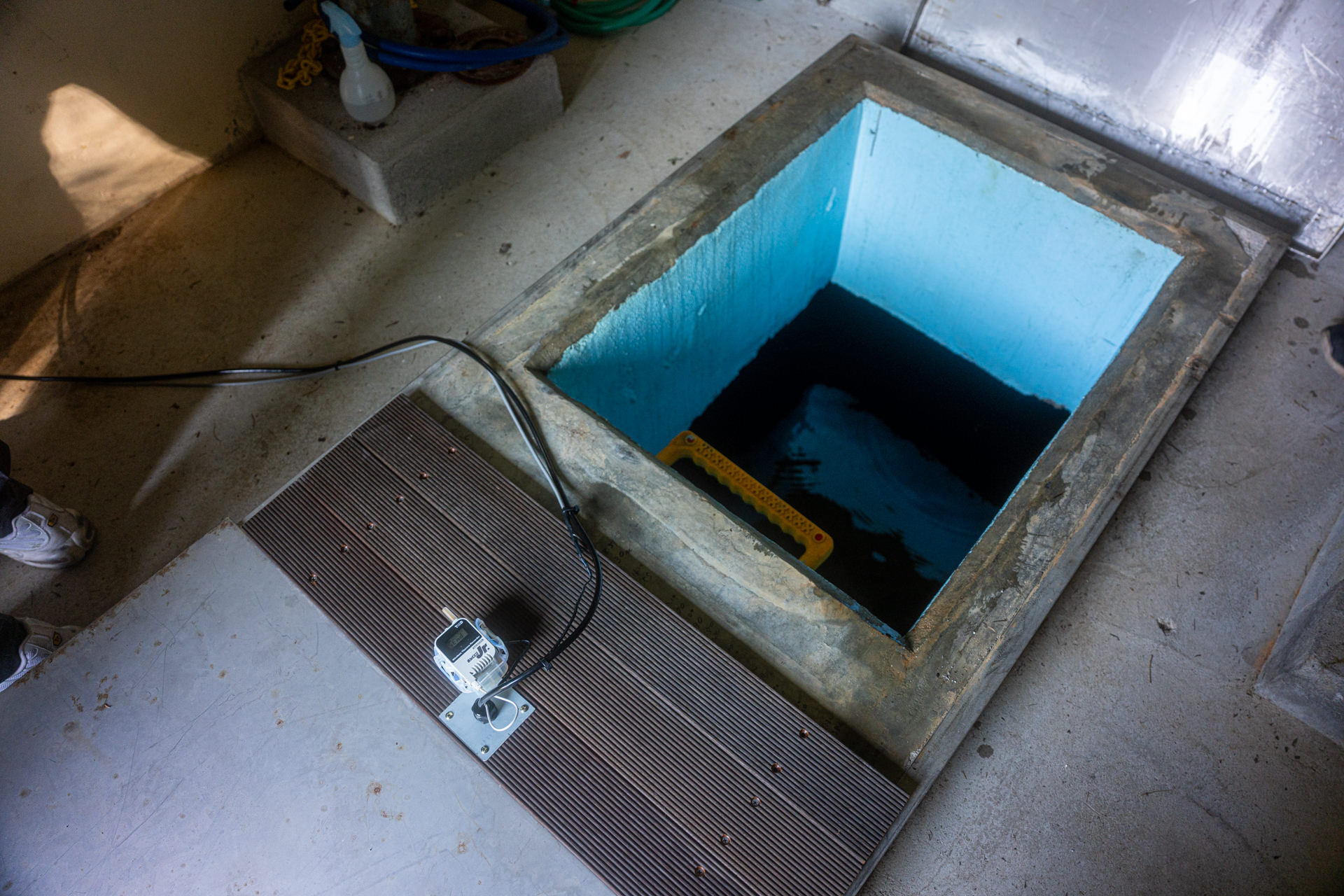
With the monitoring in place, several new insights have emerged.
Water levels vary throughout the year, increasing during the spring snowmelt and early summer rainy season, and gradually declining toward winter. In spring, when snowmelt is abundant, the reservoirs can fill in about a day. Real-time monitoring has made it much easier to respond to these seasonal fluctuations.
“Being able to check the water level at any time gives us peace of mind,” says Mr. Nagasawa.
The data has also confirmed the reliability of the infrastructure.
“It’s been nearly 40 years since construction, and the data still shows no signs of leakage. That’s very reassuring,” notes Mr. Takahashi, who was involved in the original construction.
Mr. Nagasawa also noted that even filling a bathtub caused a measurable change in the reservoir level, confirming the system’s accuracy.
In addition, the data revealed that water temperature remained relatively stable, even during the hottest part of summer.
Enabling Better Decisions
Access to real-time data also enables better decision-making.
“If water levels begin to drop, residents can take action early, such as conserving water,” explains Mr. Hirose from the Hakuba Village government.
In the past, such decisions relied on visual checks and experience. Now, data provides a clear basis for action.
The system can also be configured to send alerts when water levels fall below a certain threshold, further improving response time.
A Practical Approach to Everyday Infrastructure
This project demonstrates that making water levels visible is not just about monitoring—it contributes to improving essential infrastructure that supports daily life.
At the same time, it shows that such systems are not limited to large-scale projects. They can also support smaller, locally managed water supplies, helping operators better understand conditions and respond to changes.
Against the backdrop of Hakuba’s natural beauty, this initiative highlights the everyday efforts of people working to sustain their community—and how data can support more informed decision-making.
System Configuration
The following diagram provides an overview of the system configuration.
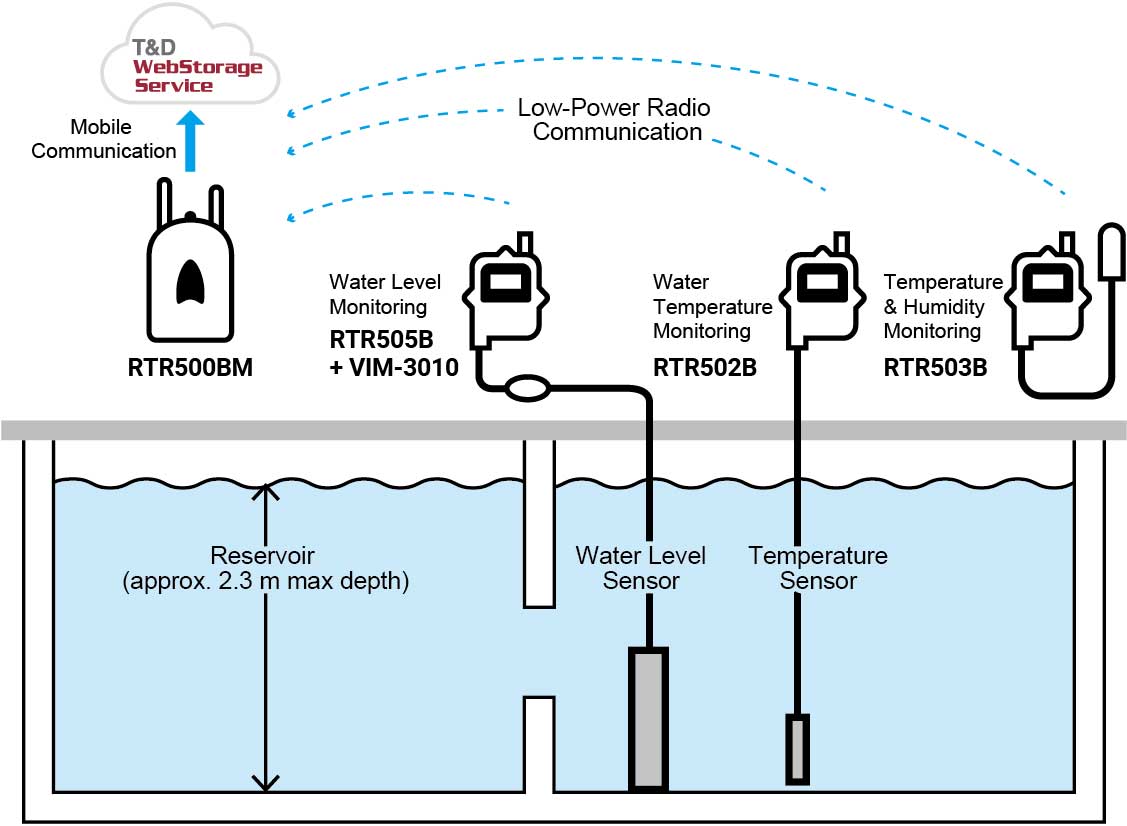
Note: The water level sensor is a commercially available product and not manufactured by T&D.