
Note: Names of organizations, offices, departments, etc. in the article are as of when the article was first published.
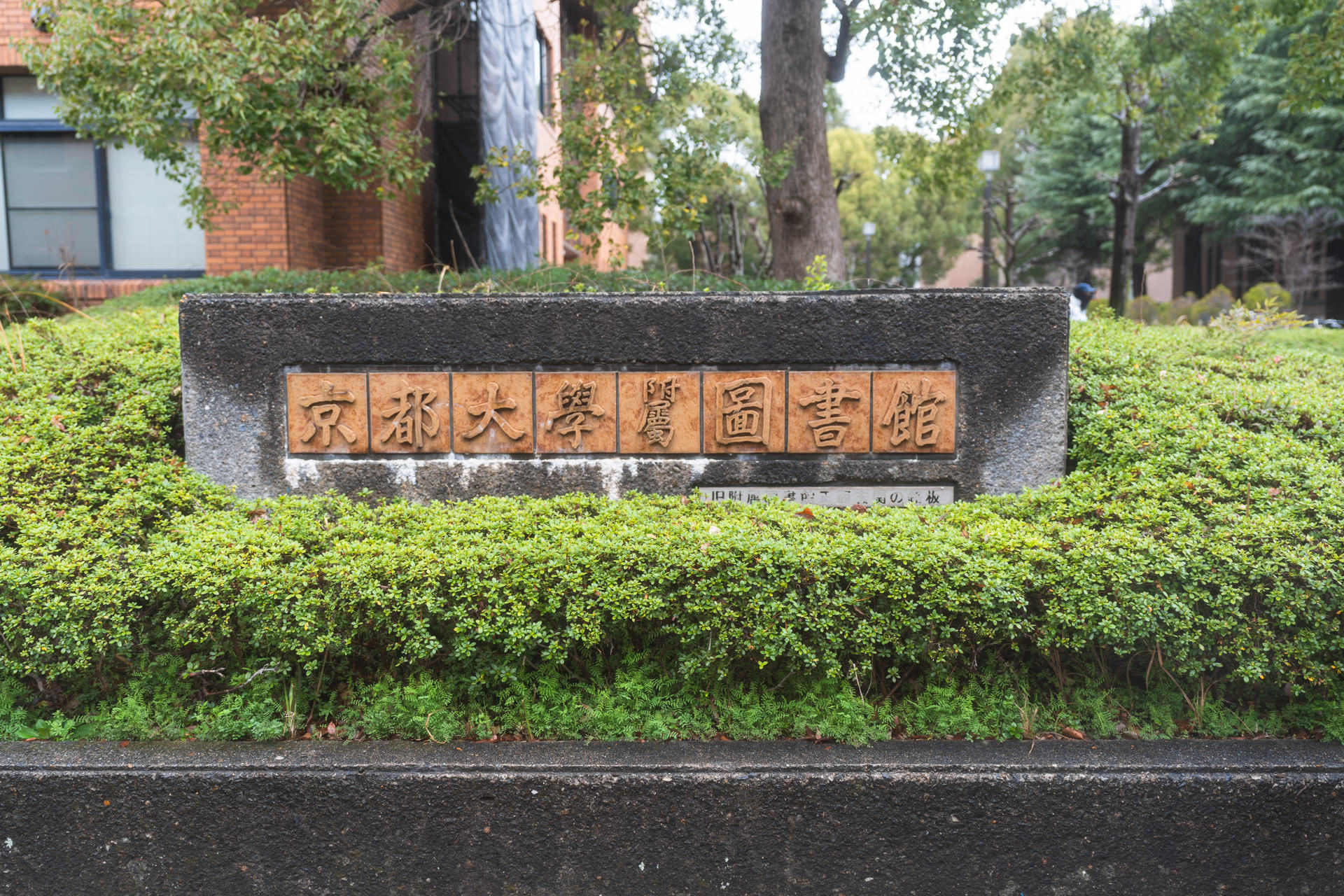
Founded in 1897, Kyoto University is one of Japan’s leading universities, with 10 faculties, approximately 22,300 students, and 8,400 faculty and staff members. The university has produced 11 Nobel laureates.
We heard that T&D data loggers were being used at Kyoto University Library, so we visited to learn more.
After years of using temperature and humidity data loggers, what changed when the library introduced the latest Wi-Fi model?
They told us how this new connectivity changed the way they viewed the devices—and opened up new possibilities for environmental monitoring.
| Date | March 2026 |
|---|---|
| Place | Kyoto University Library |
| Models in Use | TR72A2, TR-72Ui, and others |
Please tell us about Kyoto University Library.
Ms. Nishikawa
Kyoto University Library, where we are today, is located on the university’s Yoshida Campus and serves as the main library for the entire university.
Kyoto University also has campuses in Uji and Katsura, as well as 33 affiliated facilities throughout Japan. Altogether, there are about 40 libraries and reading rooms across these locations.
This library alone houses approximately one million volumes and receives around 900,000 visits annually, making it one of the largest libraries among Japan’s national universities.
Our collection also includes rare materials designated as National Treasures, so maintaining an appropriate preservation environment is extremely important.
What led you to start using T&D data loggers?
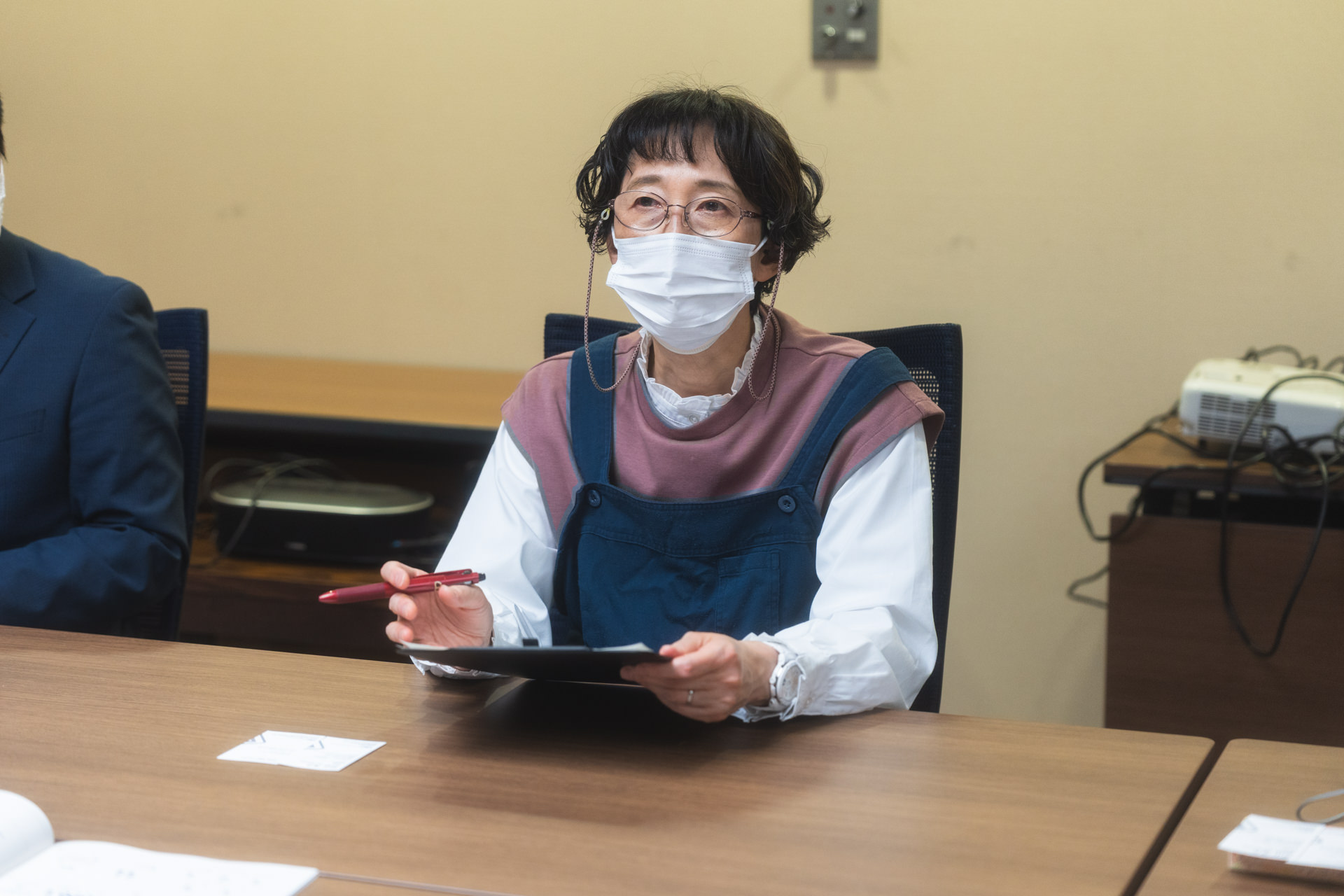
Ms. Fujiyama
There used to be a working group where staff members from the university’s various libraries would meet to discuss preservation environments. We first learned about T&D data loggers when someone introduced a logger being used at another library.
Today, I believe several dozen units, primarily from the TR7 Series, are installed across Kyoto University’s libraries. Many of these are USB models. Staff collect the data once a month and also visually check conditions during their regular rounds.
What is most important when managing temperature and humidity in a library?
Ms. Fujiyama
Humidity is especially important.
Ideally, we want to keep humidity around 50%. Above 60%, the risk of mold increases, while below 40%, conditions become too dry.
Our rare book storage area is designed to maintain stable temperature and humidity conditions, but humidity in other storage areas can sometimes exceed 60%, particularly during Japan’s rainy season.
Once mold develops, it can spread not only to the books but also to the shelving. Restoring the affected area can cost several million yen.
That is why prevention is so important when managing temperature and humidity.
What changed the way you viewed the data logger?
Mr. Nagasaka
The turning point was the introduction of the TR72A2, the latest Wi-Fi model.
With support for WPA2 Enterprise authentication, we were able to connect the TR72A2 to the university’s Wi-Fi network.
That opened up a whole new range of possibilities. We could monitor data in real time using T&D’s free cloud service, T&D WebStorage Service, and use its API to automatically retrieve data and send it to Google Sheets.
Until then, I had seen T&D data loggers mainly as devices for measuring temperature and humidity. But that changed when I saw what the TR72A2 could do. I realized, “This is an IoT device. It’s not just a thermometer anymore.”
What are the benefits of using the Wi-Fi model?
Ms. Fujiyama
Previously, we collected the data once a month and reviewed it afterward. In other words, we could only see what had already happened.
Now, we can check the data remotely, even from home. If it rains, for example, we can anticipate that humidity may soon begin to rise.
Being able to confirm in real time that conditions are normal gives us tremendous peace of mind.
Access to the rare book storage area is restricted, and simply having people enter and leave can affect the environment. Being able to monitor conditions without entering the storage area is another important benefit.
You also mentioned that you use the T&D WebStorage Service API.
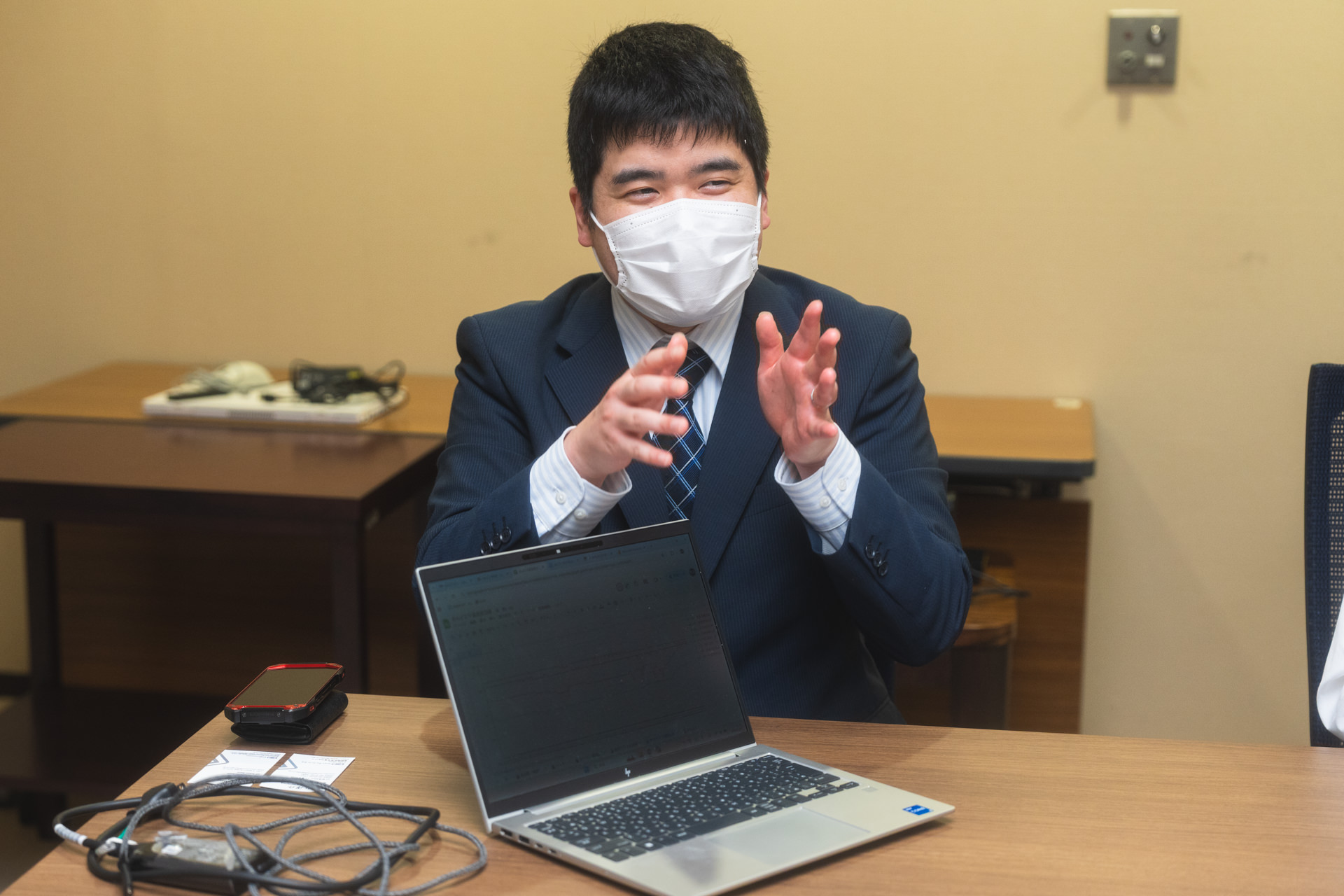
Mr. Nagasaka
Yes. Having access to an API has been extremely helpful.
We use Google Apps Script to automatically retrieve data from T&D WebStorage Service through the API and enter it into a Google Sheet.
If multiple people share a T&D WebStorage Service account, everyone needs to know the user ID and password, which can create security concerns. Instead, we automatically send the data retrieved through the API to a Google Sheet and share that sheet with the relevant staff. This allows the relevant staff to access the data without having to share the cloud account credentials.
When I was writing the program, I also looked at T&D Lab. Having that kind of technical information available online was a huge help. I used the T&D Lab articles as a reference and turned to generative AI when I came across something I didn’t understand.
The T&D WebStorage Service API has some unique aspects, and I don’t think generative AI could have answered some of my questions without articles like these available online.
T&D
T&D Lab articles are written primarily by our engineers, who share experiments, ideas, and practical applications using T&D products.
We do not often have the opportunity to hear directly from readers about how they are using the articles, so it was very encouraging to learn that they had helped you build your own system.
There are also weather services that provide data through APIs. By combining that information with the data from your T&D data loggers, you might be able to see correlations between outdoor weather conditions and the environment inside the library.
Over time, those relationships could even help you anticipate changes in indoor conditions and take action before problems occur.
Mr. Nagasaka
That could be very useful. I imagine that when outdoor humidity rises, the humidity inside the building gradually follows.
If we could also bring in weather forecast data, we might be able to tell staff, “Humidity is likely to rise around this time next week.” Even just sharing that information would help everyone be more aware and prepared.
T&D
As more data is accumulated, it could eventually be used for forecasting and perhaps even for automatically controlling equipment based on environmental conditions.
Mr. Nagasaka
Automatic control would be difficult with the air-conditioning equipment we currently have, but adding weather data should be fairly easy. Even that alone could be quite useful.
Maybe I should try adding a weather API now…
What would you like to see from T&D in the future?
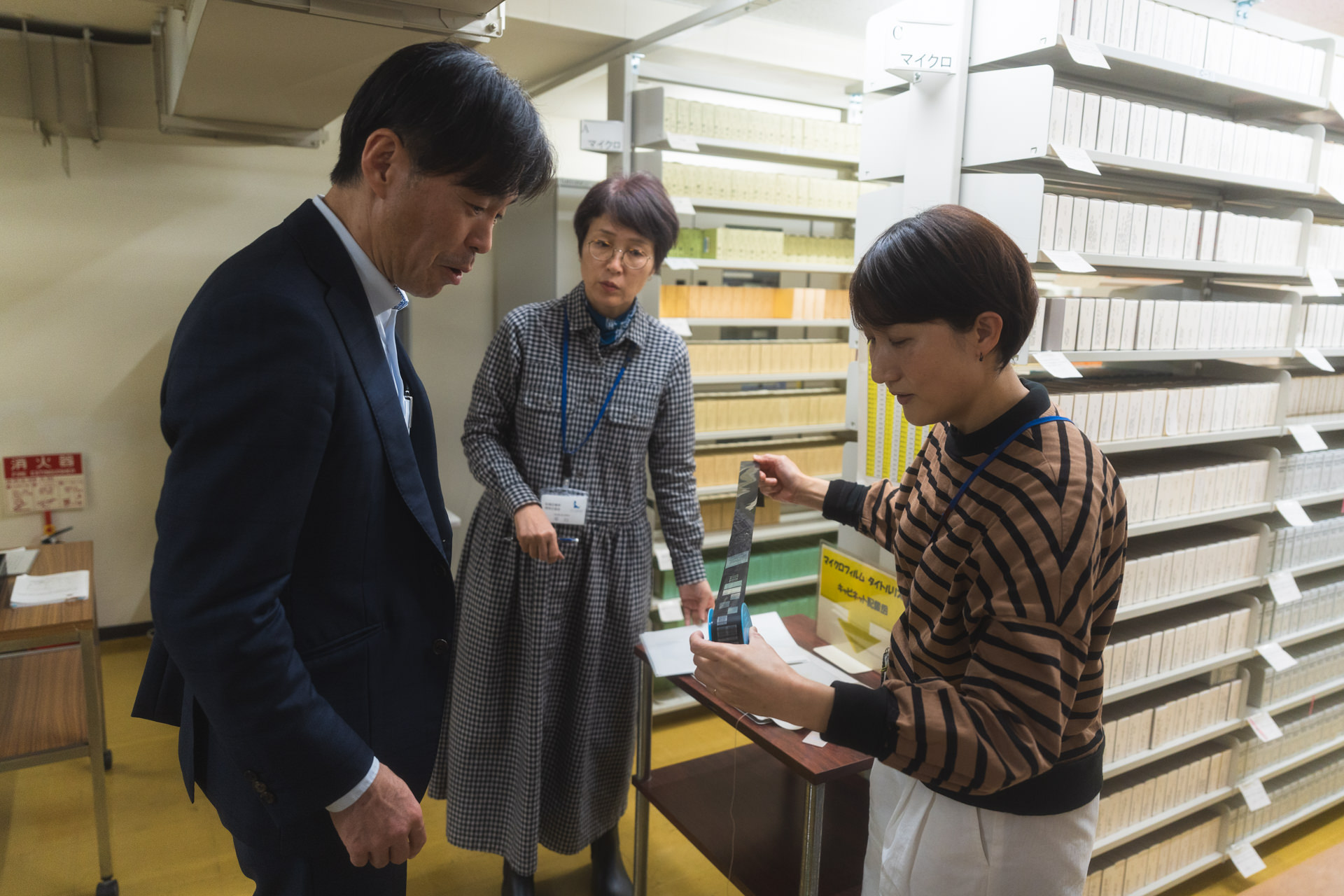
Ms. Nishikawa
Security is one area we would like to see further development.
University networks are very strictly controlled. If a logger were stolen and someone could connect to it via USB and view network information, that could constitute a security incident.
For that reason, we would welcome both hardware and software measures, such as physical theft prevention using security locks and restrictions on viewing network information via USB.
Because of these security considerations, we currently use the latest Wi-Fi model, the TR72A2, only inside the rare book storage area, where public access is restricted.
Mr. Nagasaka
Looking further ahead, if we could bring temperature and humidity data from the entire library together in one place and see it at a glance, it would become much easier to plan how we manage the environment.
I think that could ultimately change and improve the way we work.
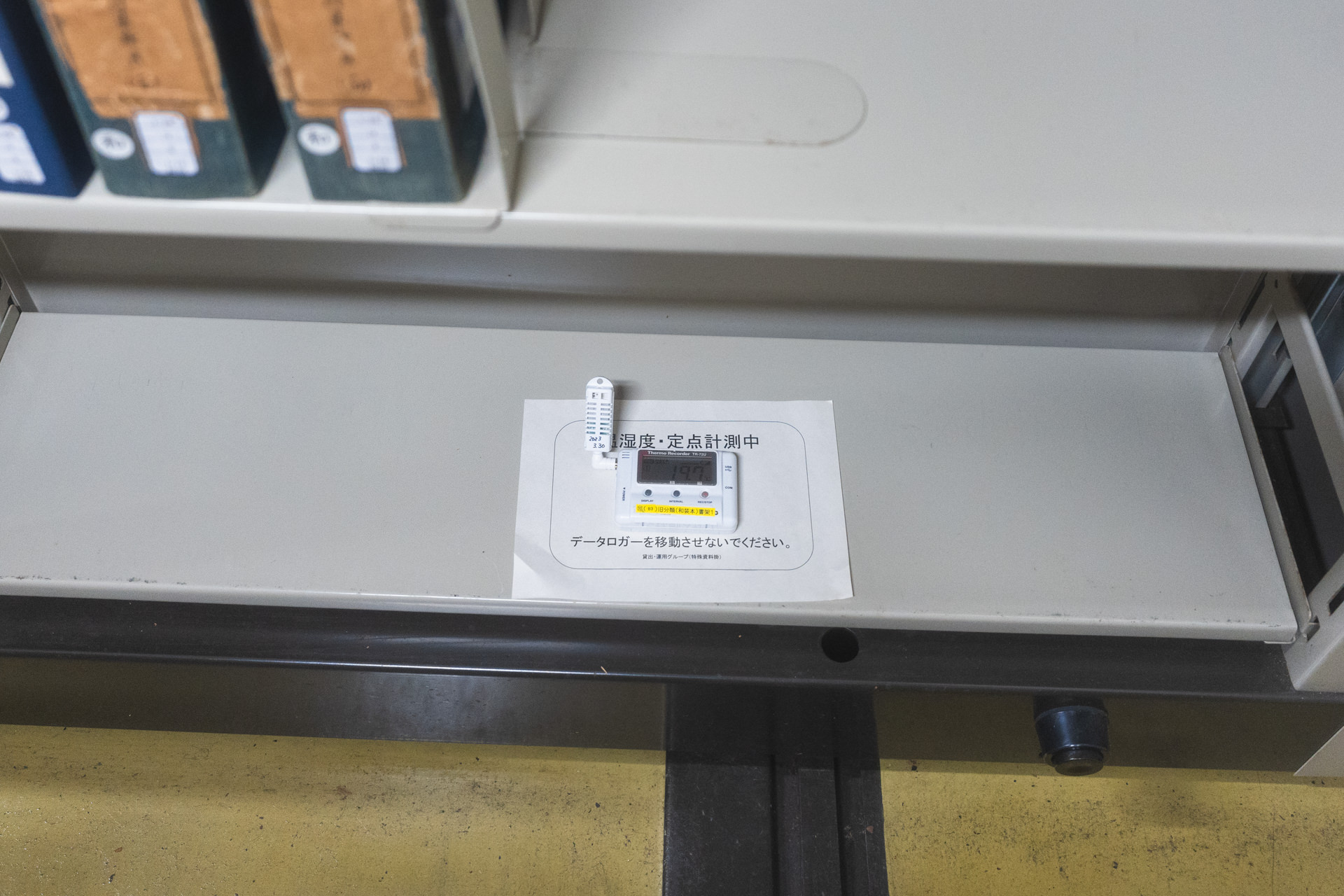
Their comments highlight both the practical challenges they face today and the possibilities they see for the future.
What was once seen as “just a thermometer” is now supporting real-time monitoring, cloud-based data management, API integration, data analysis, and new possibilities for digital transformation.
At Kyoto University Library, T&D data loggers are becoming versatile IoT devices that can respond to the practical needs of those responsible for preserving valuable collections.
We would like to thank everyone at Kyoto University Library for taking the time to share their experience with us.