
Note: Names of organizations, offices, departments, etc. in the article are as of when the article was first published.
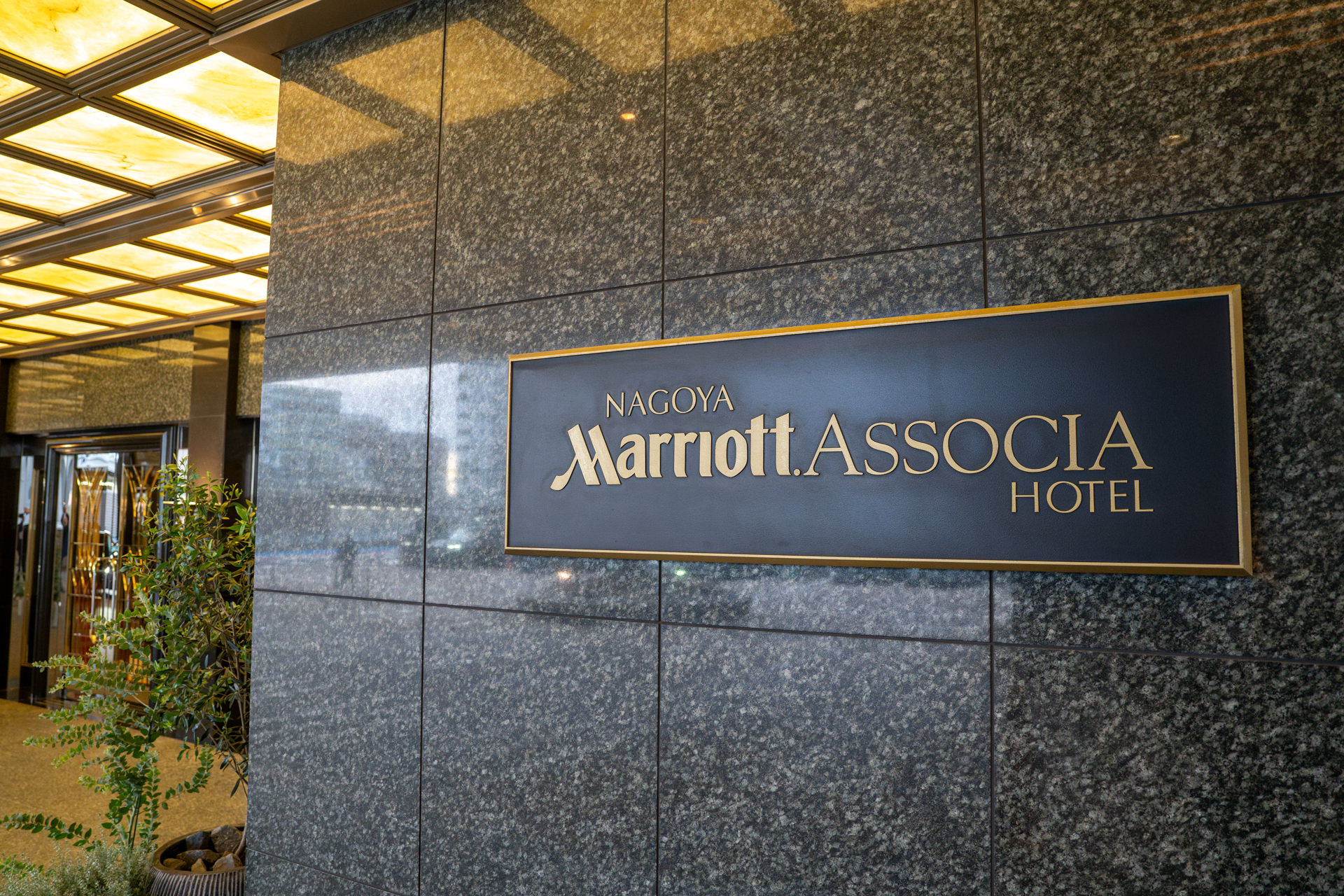
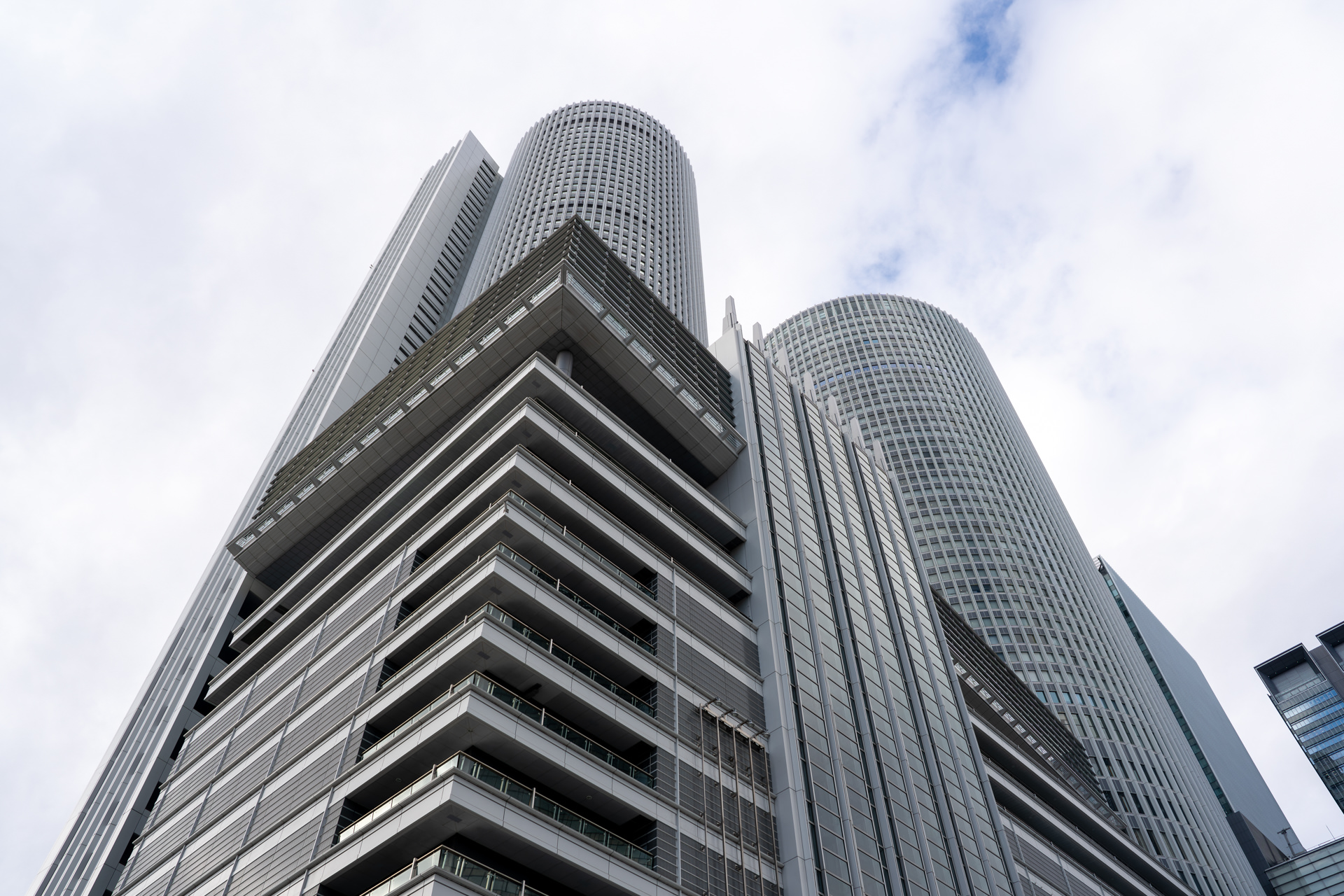
Standing above Nagoya Station, Nagoya Marriott Associa Hotel is one of the city’s most recognizable landmarks. It is the flagship hotel of JR Central Hotels, a leading hotel operator in central Japan.
Today, JR Central Hotels uses more than 600 T&D data loggers to monitor refrigerators and freezers across its hotels. We visited Nagoya Marriott Associa Hotel to learn how the system was introduced, the challenges involved, and the benefits it has brought to daily kitchen operations.
| Date | January 14, 2026 |
|---|---|
| Interviewees | Mr. Ikai – Facility Manager, Business Development Department, JR Central Hotels Mr. Kumagai – Executive Chef, Nagoya Marriott Associa Hotel |
| Place | Nagoya Marriott Associa Hotel |
| Models in Use | RTR500BW, RTR500BC, RTR501B, RTR502B, RTR503B, RTR-602, RTR-600BD |
| Purpose | Temperature monitoring of refrigerated and frozen food, food core temperature measurement |
To begin, could you tell us a little about JR Central Hotels?
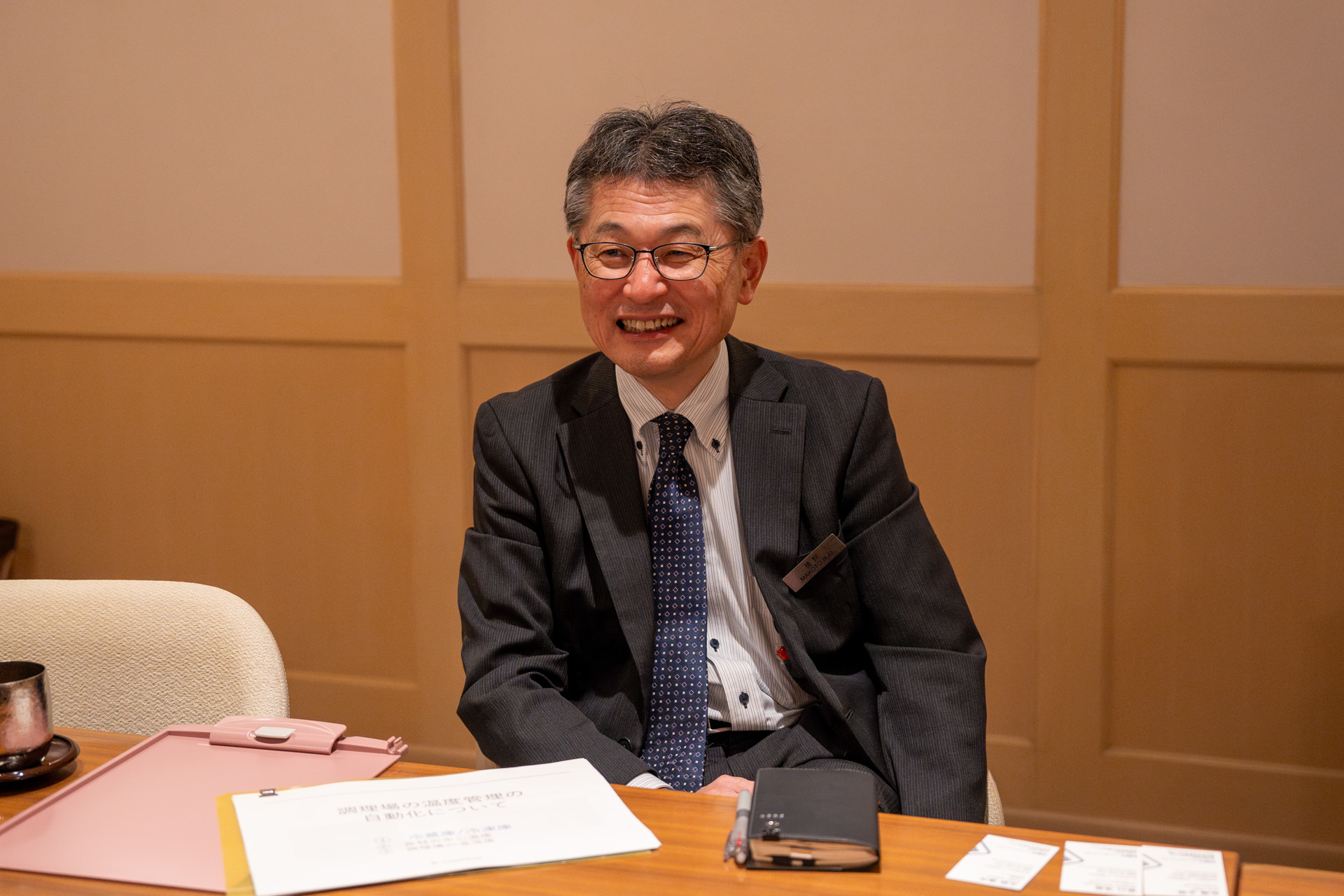
Mr. Ikai
JR Central Hotels is a hotel management company and a subsidiary of Central Japan Railway Company (JR Central). Nagoya Marriott Associa Hotel is our flagship property.
We currently operate seven hotels, including Nagoya Marriott Associa Hotel, as well as properties in Takayama, Shin-Yokohama, Shizuoka, Toyohashi, Nagoya JR Gate Tower, and Kyoto Shijo Karasuma. We are also planning to open another hotel near Kyoto Station this autumn and a new property in Nara by 2030.
In addition to our own Associa brand, we partner with several global hotel brands, including Marriott, Hilton, and Hyatt. Our goal is to provide world-class hospitality while delivering the reliability and peace of mind associated with the JR Central Group and connecting travelers with the regions we serve.
―― If I remember correctly, your relationship with T&D began when you were working at your hotel in Shizuoka?
Mr. Ikai
That’s right. Between 2015 and 2020, I worked in the General Manager’s Office at Hotel Associa Shizuoka.
At that time, our internal rules required staff to measure the temperature of every refrigerator and freezer in the kitchen and record it by hand twice a day.
Because the process relied on manual checks, measurements were occasionally missed. If the temperature in a refrigerator went out of range overnight or while no one was nearby, we often discovered the problem too late. There were even cases where food had to be discarded.
―― Manual measurement and handwritten records inevitably leave room for human error.
Mr. Ikai
Exactly.
I already knew about T&D data loggers, so I started looking into whether we could automate the process.
We also evaluated packaged monitoring systems, but T&D data loggers appeared to be much more cost-effective. Just as importantly, we liked the idea of building the system ourselves rather than relying on a turnkey solution.
We started small, using about 20 wireless loggers in the main kitchen at our Shizuoka hotel.
Turning the Pandemic into an Opportunity: Deploying More Than 600 Data Loggers
Mr. Ikai
Later, after I transferred to Nagoya, the project expanded dramatically.
Around the same time, the company launched a kitchen operations improvement initiative. When I shared our experience in Shizuoka, management recognized its potential and decided to roll it out across multiple hotels.
Ironically, one factor that made this possible was the COVID-19 pandemic.
While this was an extremely difficult time for the hotel industry, it also created an opportunity to rethink how kitchens operated.
Around 2021, hotels were much quieter because of the pandemic. However, our management believed that improving labor productivity would be essential if the hotel industry was going to overcome future labor shortages.
As a result, the company made the bold decision to introduce more than 600 T&D data loggers for refrigerators all at once.
―― That was a significant undertaking. Could you tell us more about the rollout?
Mr. Ikai
In total, we installed approximately 50 base stations and 650 loggers.
We first introduced the system at hotels with restaurants and banquet facilities—including Shizuoka, Takayama, and Toyohashi—before completing the rollout at our flagship hotel in Nagoya.
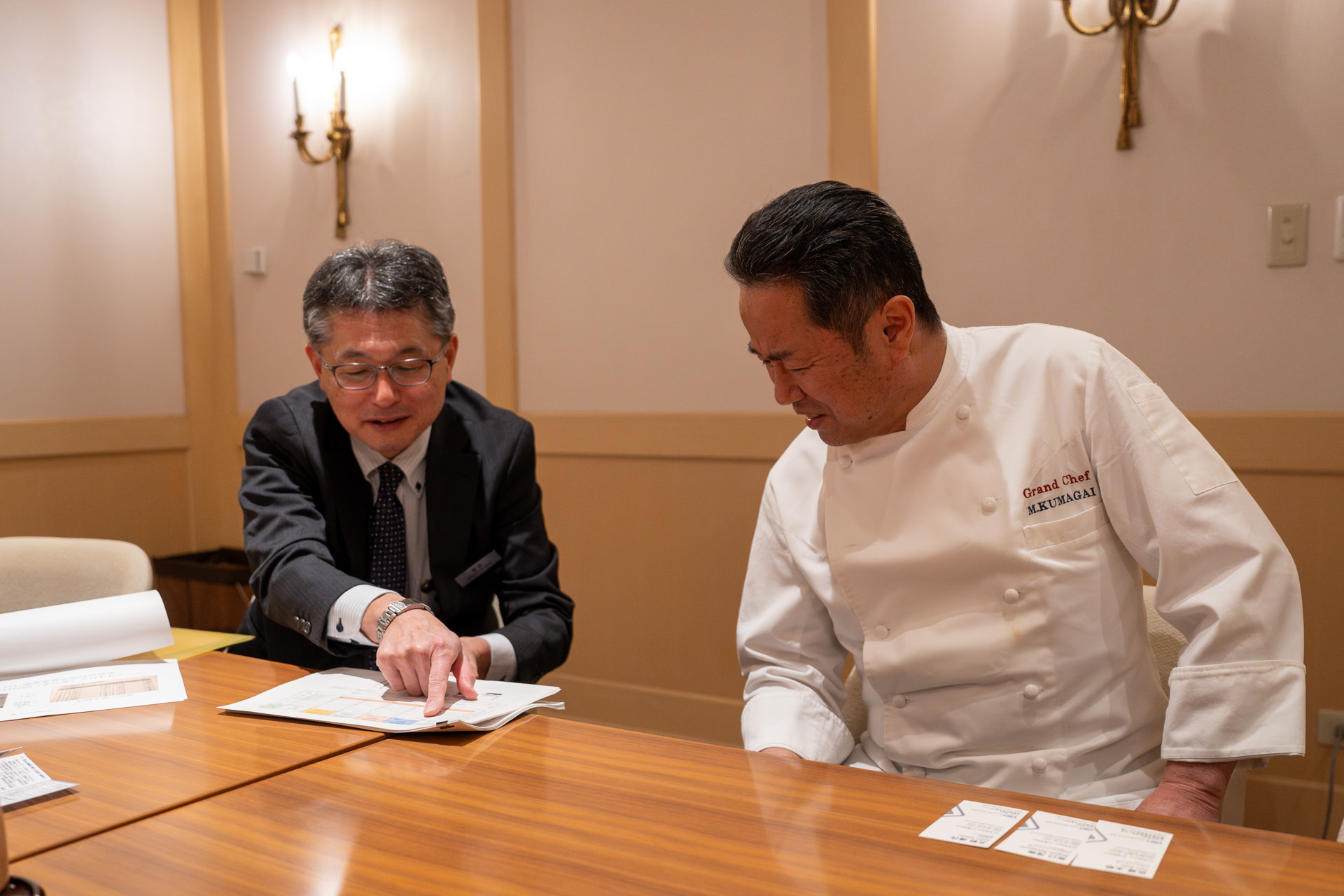
How are you using the data loggers in your daily operations?
Mr. Ikai
We primarily use them to monitor the temperature of food stored in refrigerators and freezers.
We also use core temperature loggers to record whether food has been heated and cooled within the required time limits.
In addition, we monitor the temperature and humidity inside the kitchens themselves. Those records provide important evidence for maintaining a safe working environment for our staff.
――We understand that your team handled the entire installation yourselves. That must have been quite challenging.
Mr. Ikai
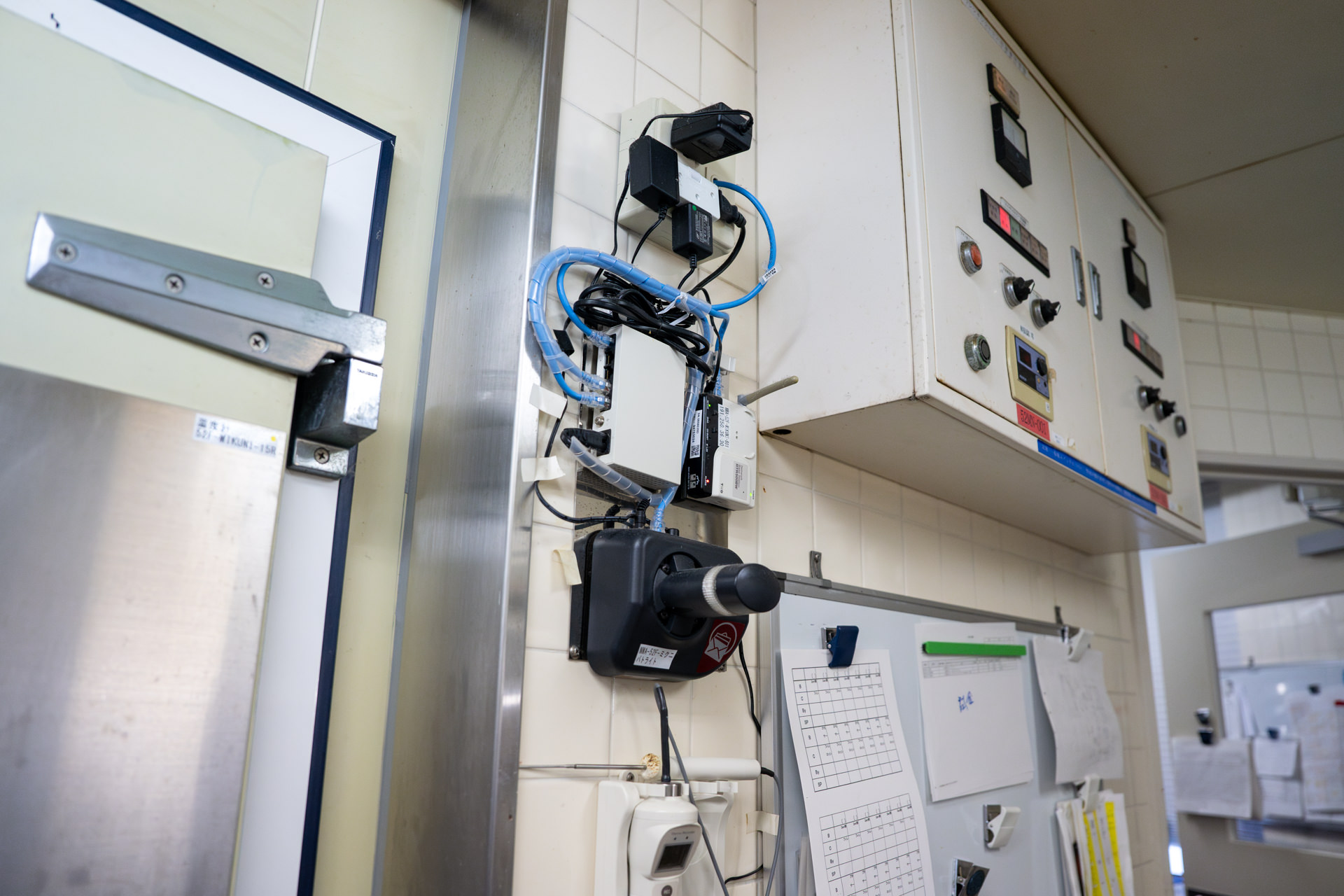
In principle, we install the wireless data loggers around each base station. The most difficult part was deciding where to place the repeaters to extend the wireless communication range. Wireless signals become weaker when they have to pass through walls or between floors.
Commercial kitchens are also washed down every day to maintain hygiene. Naturally, the staff wanted to place both the logger and the sensor inside the refrigerator to protect them from water, but that made stable wireless communication more difficult.
It took some trial and error to find the best setup. Since the refrigerators and freezers couldn’t be moved, we had to determine where to place the base stations and repeaters so they could receive reliable signals without interfering with the kitchen staff’s workflow. We also had to route LAN cables and power supplies accordingly.
Once we found a configuration that worked well at one location, we used it as the model for expanding to the other hotels.
24/7 Alerts That Never Miss a Problem
―― We heard that the warning function played a particularly important role when you introduced the system.
Mr. Ikai
Absolutely.
In fact, I’d say the warning function was one of the biggest reasons we decided to implement the system.
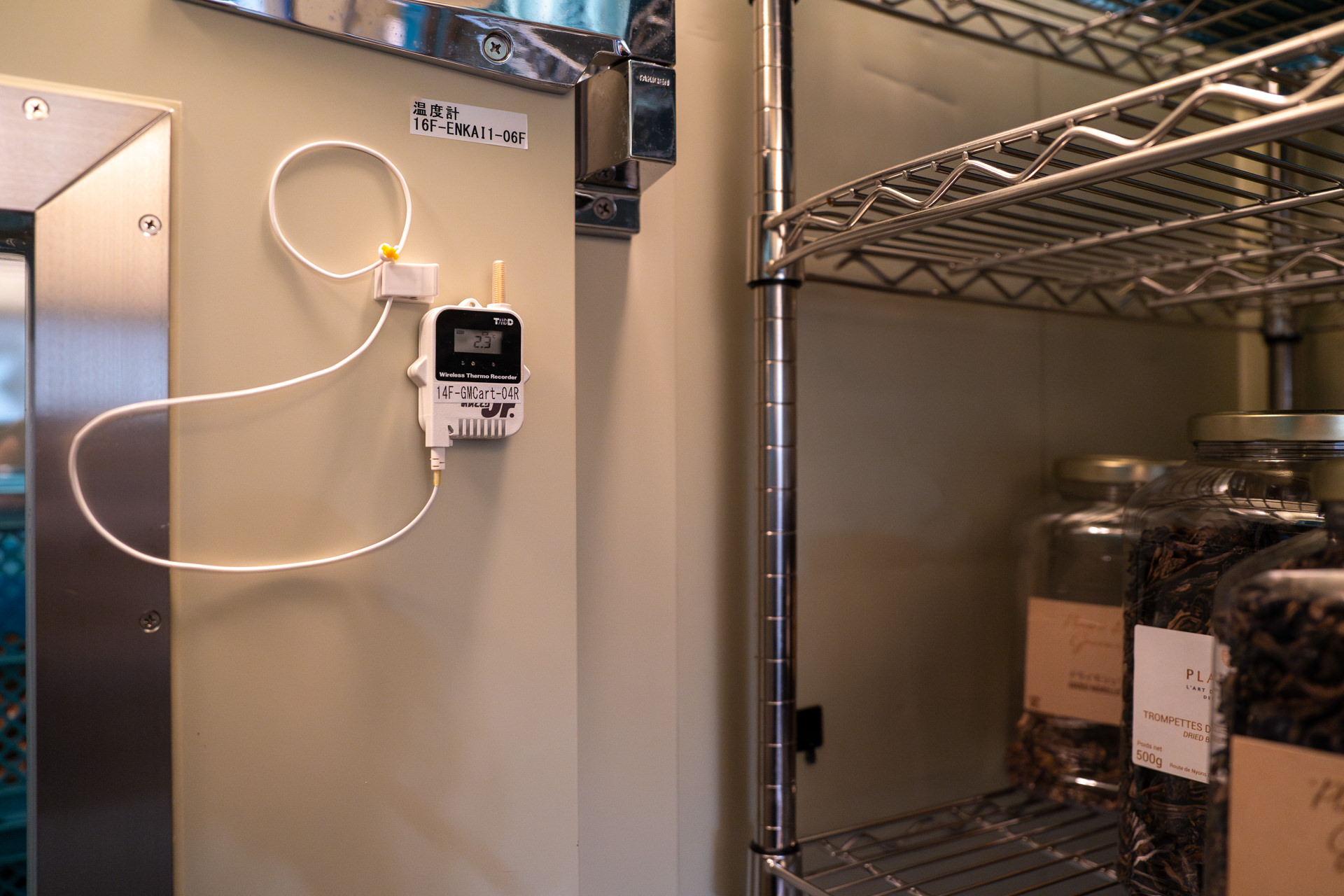
We set our refrigerator target temperature to 2.5°C (36.5°F).
If the temperature remains above 5°C (41°F) for 30 minutes, an alert is triggered.
Likewise, if the temperature stays below −2°C (28.4°F) for 30 minutes—which could freeze vegetables—another alert is issued.
Mr. Kumagai
From the kitchen’s perspective, this feature has been incredibly valuable.
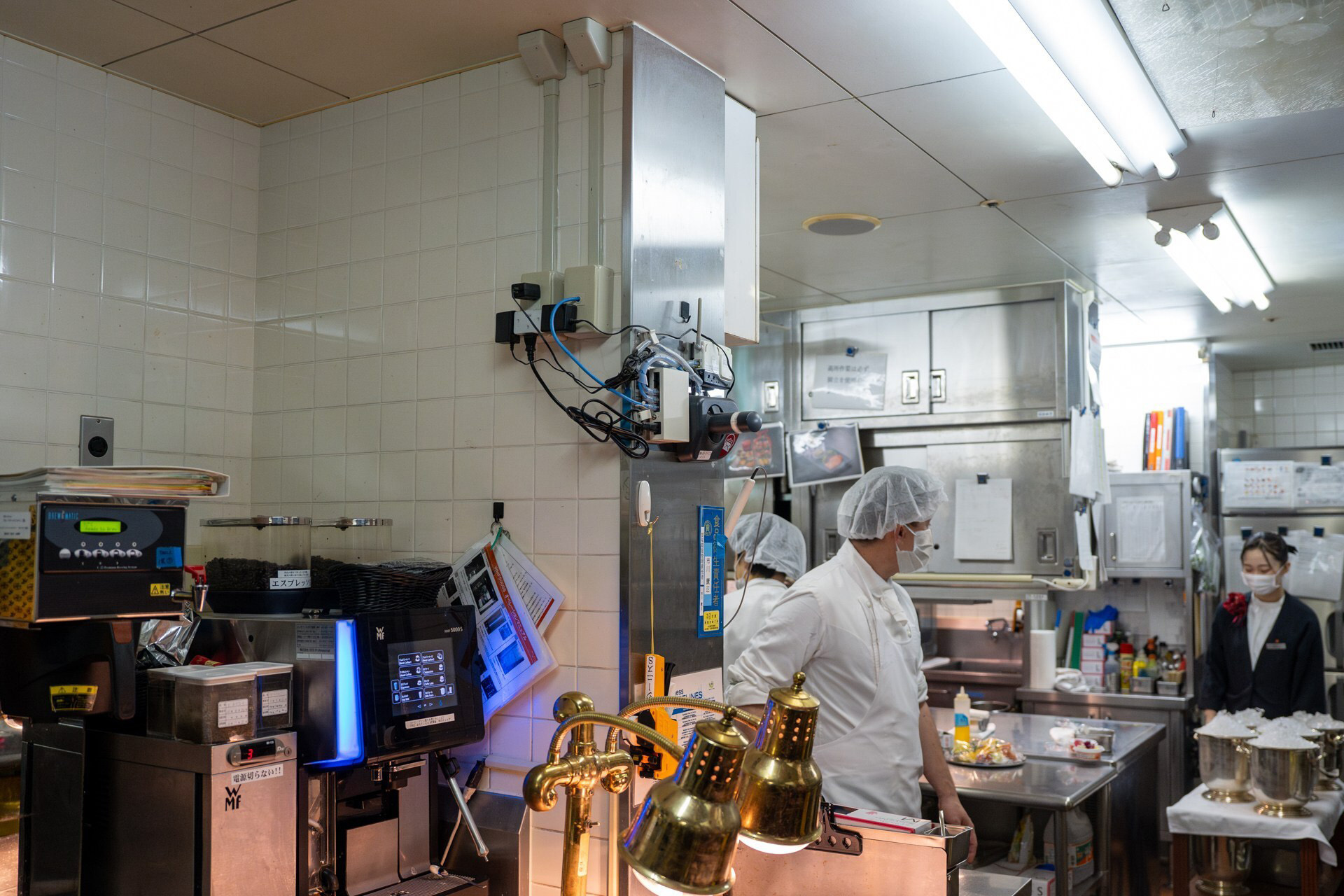
When an alert occurs, a warning light turns on in the kitchen, and emails are immediately sent to the responsible staff members and the night manager.
The email tells us exactly which refrigerator is affected—for example, “Refrigerator No. 7″—so we can go directly to it. When we check it right away, we often find that someone simply left the door slightly open.
―― For a hotel that operates around the clock, receiving notifications during the night must make a huge difference.
Mr. Ikai
Exactly.
Alerts are sent regardless of the time of day.
What’s more, they’re useful not only for detecting problems, but also for preventive maintenance.
―― Preventive maintenance?
Mr. Kumagai
Yes.
If the temperature in a refrigerator continues to rise, we receive an alert before it becomes a major issue.
By checking the temperature graph stored in T&D WebStorage Service, we can often identify the cause—whether the refrigerator needs defrosting or the compressor is beginning to fail.
This preventive approach has dramatically reduced food loss.
Instead of waiting until equipment breaks down completely, we can take action beforehand.
Once you’ve experienced that peace of mind, it’s difficult to imagine working without it.
Simplifying Food Core Temperature Records with the RTR-602
―― We also understand that you’re using food core temperature loggers in addition to the refrigerator monitoring system.
Mr. Kumagai
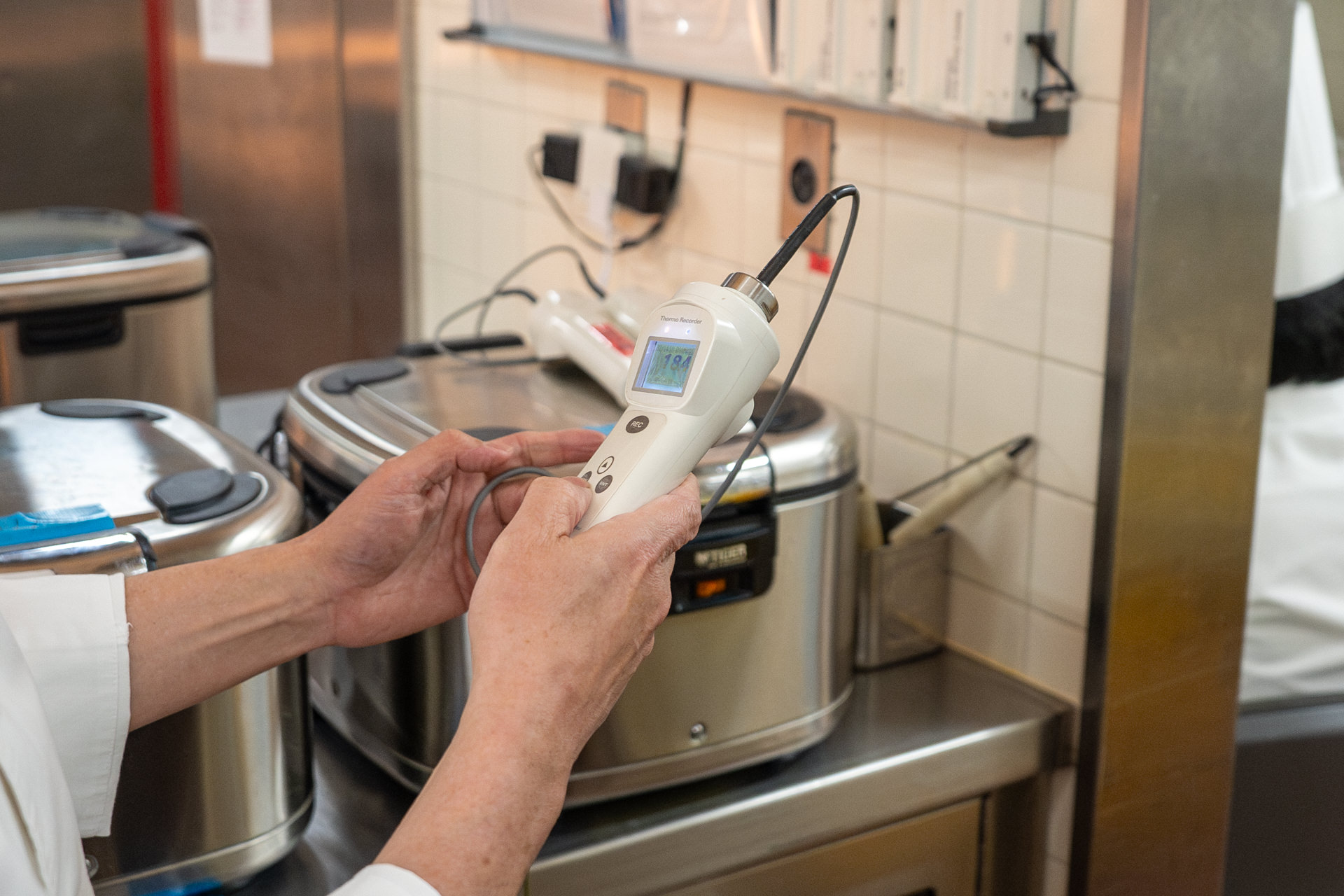
We use them to record heating temperatures for meat and fish, as well as cooling processes for chilled foods.
In the past, every chef carried a thermometer in their pocket and manually recorded the results on paper.
Now, we simply insert the T&D logger and press a button.
There’s no paperwork, and food safety inspectors have responded very positively to the system.
Another advantage is that the measurements are automatically collected through the same base stations used for the refrigerator monitoring system.
―― One concern we sometimes hear from customers is that updating product lists becomes difficult because menu items change every day. How do you handle that?
Mr. Ikai
The key is not making the categories too detailed.
Instead of registering individual dishes like steak or hamburgers, we simply create broad categories such as Meat, Fish, and Chicken.
Mr. Kumagai
What’s important isn’t the name of the dish.
What matters is documenting the process—for example, how long meat was heated or how fish was cooled, and at what temperature.
Those are the records and evidence that matter.
If we tried to register every menu item individually, office staff would have to update the database every time we held a banquet, and eventually the system would become too difficult to maintain.
―― That’s a clever approach. Standardizing the workflow rather than every menu item.
Mr. Ikai
Exactly.
Kitchen staff simply choose the appropriate category before taking the measurement.
Our first priority was to establish the habit of measuring consistently.
I think one of the secrets to keeping a system running successfully over many years is not overengineering it from the beginning.
Giving Chefs More Time to Hold a Knife Instead of a Thermometer
―― From the kitchen’s perspective, what has changed since introducing the system?
Mr. Kumagai
Previously, twice a day, staff from each restaurant walked around checking refrigerators, reading the displays, and writing the temperatures on paper.
Each measurement only took 30 seconds to a minute, but when you multiply that by several hundred refrigerators, it adds up to an enormous amount of time.
Mr. Ikai
When we calculated it, we found that our staff had been spending thousands of hours every year simply recording temperatures.
That represented a significant labor cost.
More importantly, many of our younger chefs were spending a surprising amount of time on record-keeping instead of developing their culinary skills.
Mr. Kumagai
Exactly.
People become chefs because they want to create great food.
By introducing T&D data loggers, we eliminated almost all of the manual recording work.
Now our staff can spend more time cooking, learning new techniques, and improving their skills.
To us, that’s a benefit that goes far beyond the numbers.
Is there anything you’d like to see improved?
Mr. Ikai
Longer battery life would help reduce operating costs, and we’d also like greater wireless communication range.
Mobile refrigerators can sometimes be moved too far away from the base stations, making communication difficult.
If that issue could be solved, it would be very helpful.
We’re also interested in the possibility of recording things like odors or ambient noise in the future.
Being able to quantify those factors could help us provide even better service to our guests.
――Mobile refrigerators might be a good application for the TR7 Series, which connects directly to the wireless LAN without requiring a base station. We’ll also share your suggestions with our development team.
Closing Thoughts
As we walked through the back-of-house areas after the interview, several busy staff members greeted us with smiles and said, “This system has been a huge help!” That moment stayed with us.
Behind the elegance and hospitality that guests experience is the dedicated work of countless professionals whose efforts often go unseen. We feel honored that T&D data loggers have been chosen to support these dedicated professionals behind the scenes. Seeing their commitment firsthand has strengthened our determination to continue developing reliable products that live up to the trust our customers place in us.
We also hope this example shows that even a large-scale operation involving more than 600 monitoring points can be implemented step by step with thoughtful planning and practical system design. For organizations looking to improve food safety or automate temperature management, we hope this story offers ideas and encouragement for taking that first step.
Our sincere thanks to Mr. Ikai, Executive Chef Mr. Kumagai, and everyone at Nagoya Marriott Associa Hotel for taking the time to share their experience with us.
Visit the JR Central Hotels website here.