
Note: Names of organizations, offices, departments, etc. in the article are as of when the article was first published.
It all started with an unexpected discovery on social media. One day, while checking posts related to T&D, we spotted something familiar in a Japanese web comic: a T&D TR42 data logger.
Our data logger in a comic?
Following the trail led us to a web comic produced by Honda and set in Kurayoshi, Tottori Prefecture, one of Japan’s watermelon-growing regions. But what caught our attention was that the TR42 had not simply been added to the story as a fictional detail. It was there because T&D data loggers were actually being used by watermelon growers in Kurayoshi.
We wanted to see how.
| Date | March 2020 |
|---|---|
| Place | Kurayoshi, Tottori Prefecture, Japan |
| Model in Use | TR42 |
| Purpose | Temperature monitoring in watermelon production |
From a Web Comic to the Real Watermelon Fields
To learn more about the story behind the comic, we visited Kurayoshi and spoke with Mr. Kakihara from Kurayoshi City and Mr. Miura, the artist who created the comic.
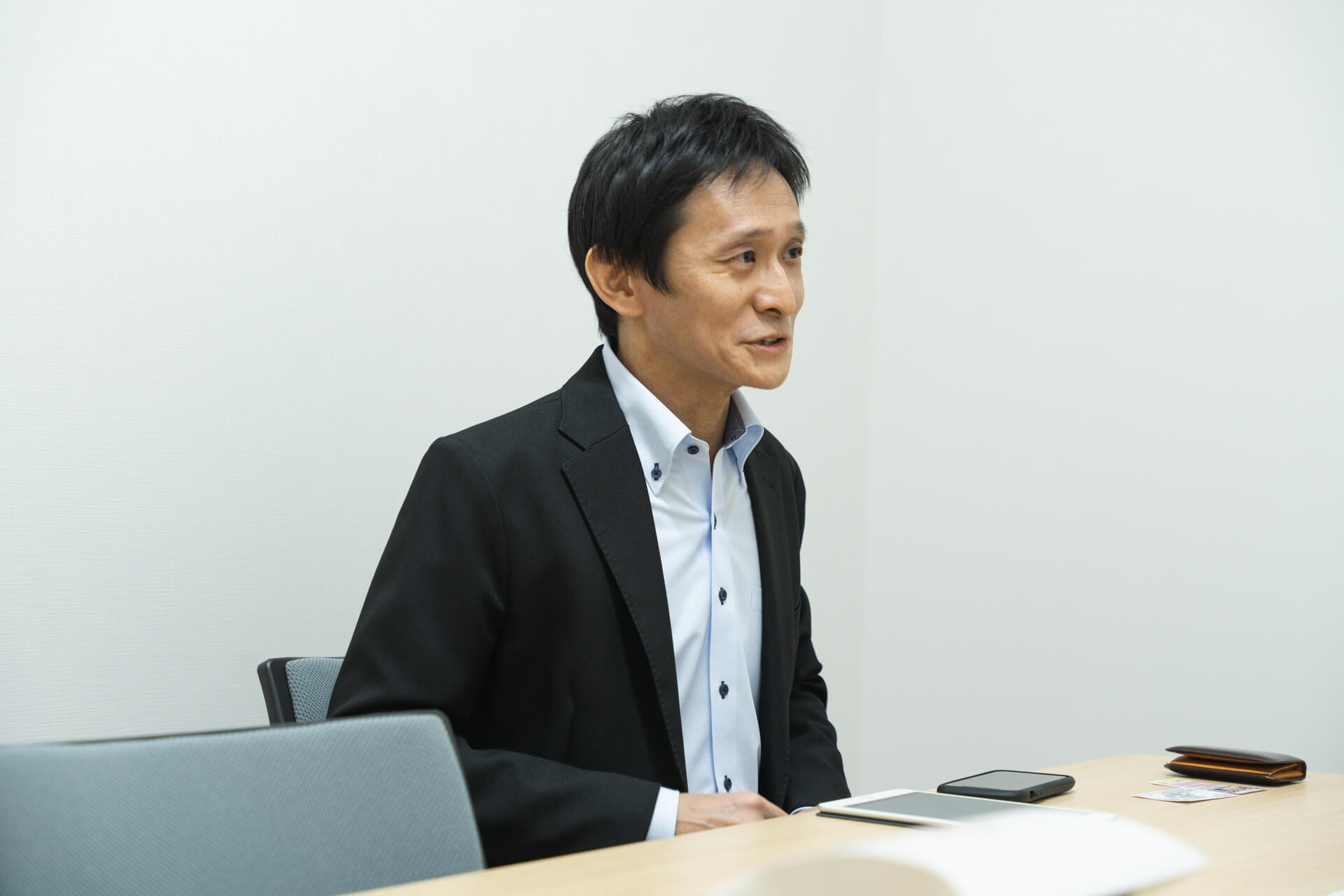
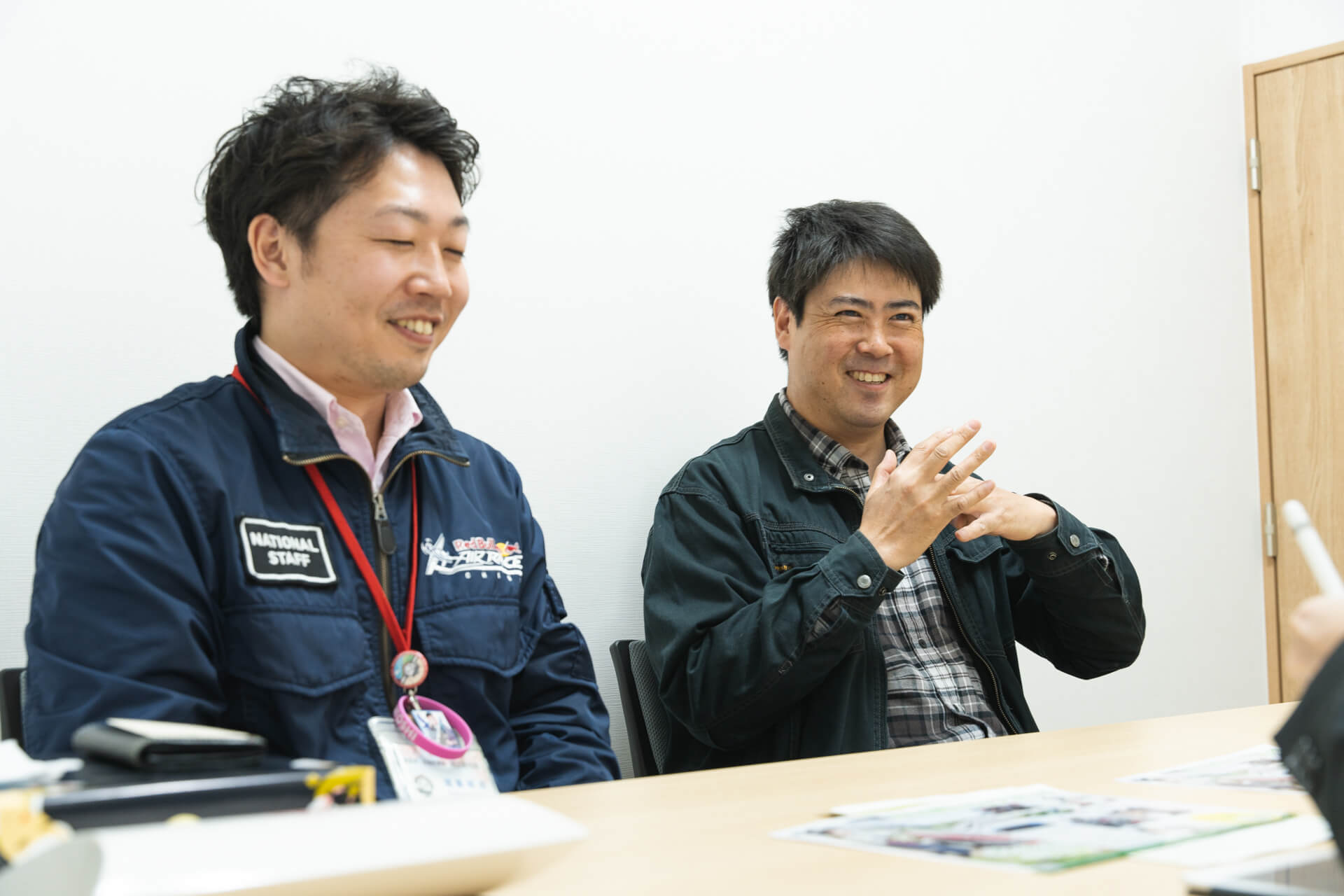
Mr. Kakihara of the Kurayoshi City Commerce and Tourism Division (left) and comic artist Mr. Miura (right)
With its strong agricultural industry and locally grown watermelons, Kurayoshi was chosen as the setting for the comic. The comic was developed with the cooperation of local farmers, and Mr. Miura regularly visited Kurayoshi to learn about watermelon cultivation. Many of the challenges depicted in the story were inspired by actual experiences shared by growers.
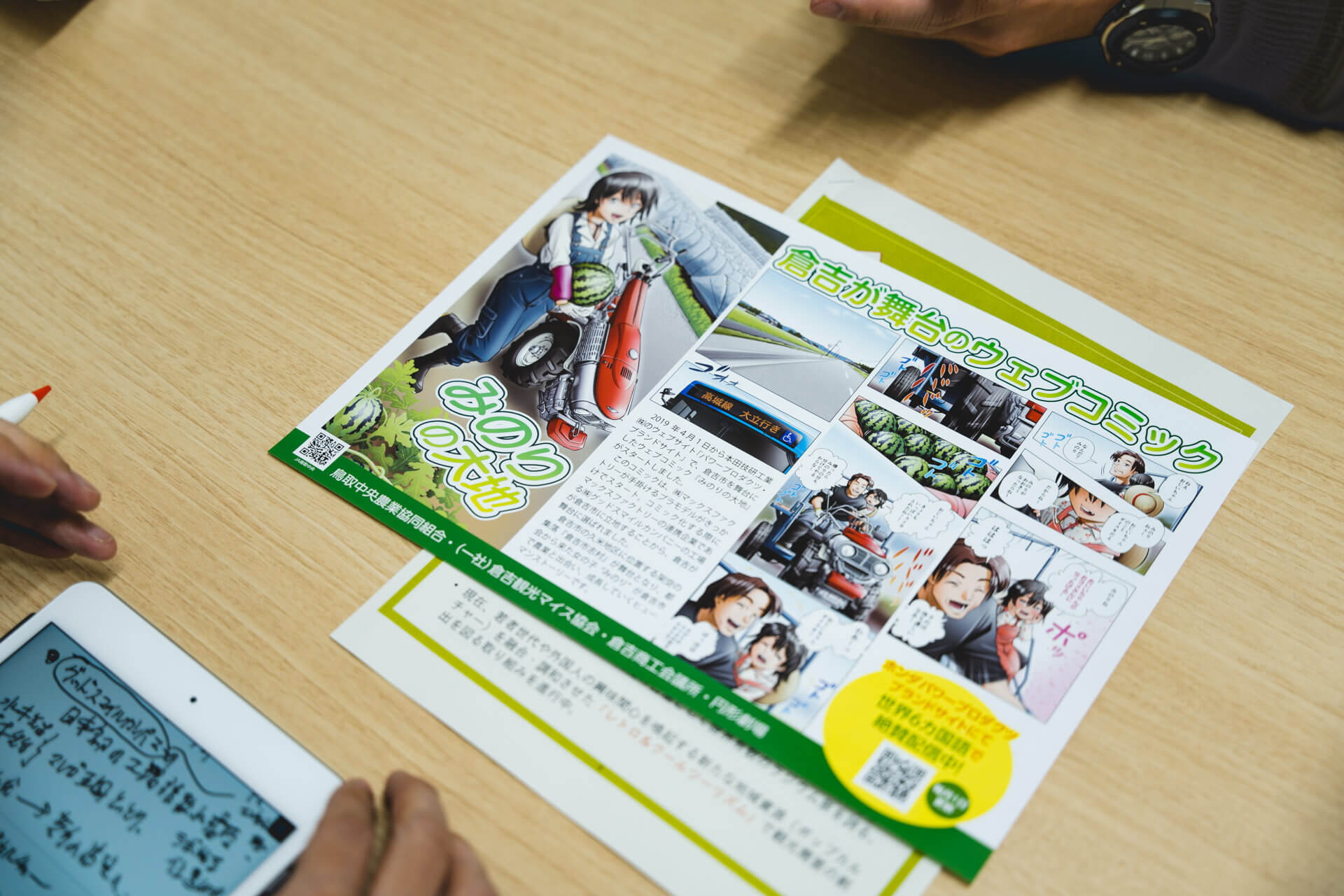
Materials from the web comic shared during the interview
The T&D data logger featured in the comic also came directly from the real watermelon fields of Kurayoshi. Mr. Miura explained that local watermelon growers were already using T&D data loggers to share temperature data and pass farming know-how from experienced growers to the next generation. When he visited the farms for research, the device he saw being used was a TR42.
In the comic, this idea was reflected in a grandfather passing his farming experience on to his granddaughter. In the real watermelon fields of Kurayoshi, we were about to see how that process was actually taking place.
How the Growers Started Using the TR42
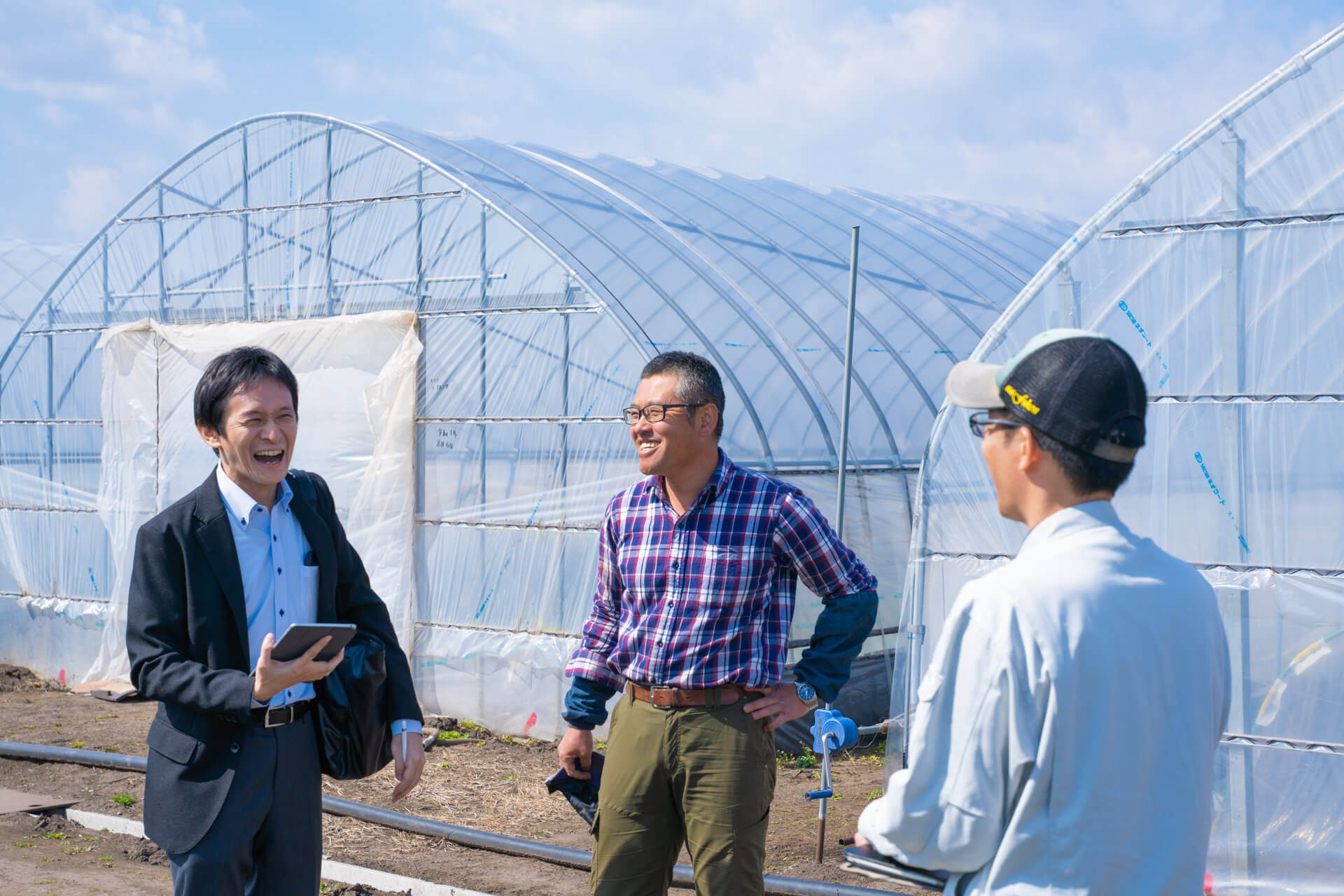
We then headed out to the fields to meet the people actually using the data loggers. Among those we spoke with were Mr. Ota, who was leading the local growers’ guidance team; Mr. Sawaguchi, an agricultural extension advisor with Tottori Prefecture; and Mr. Inaka, a trainee farmer.
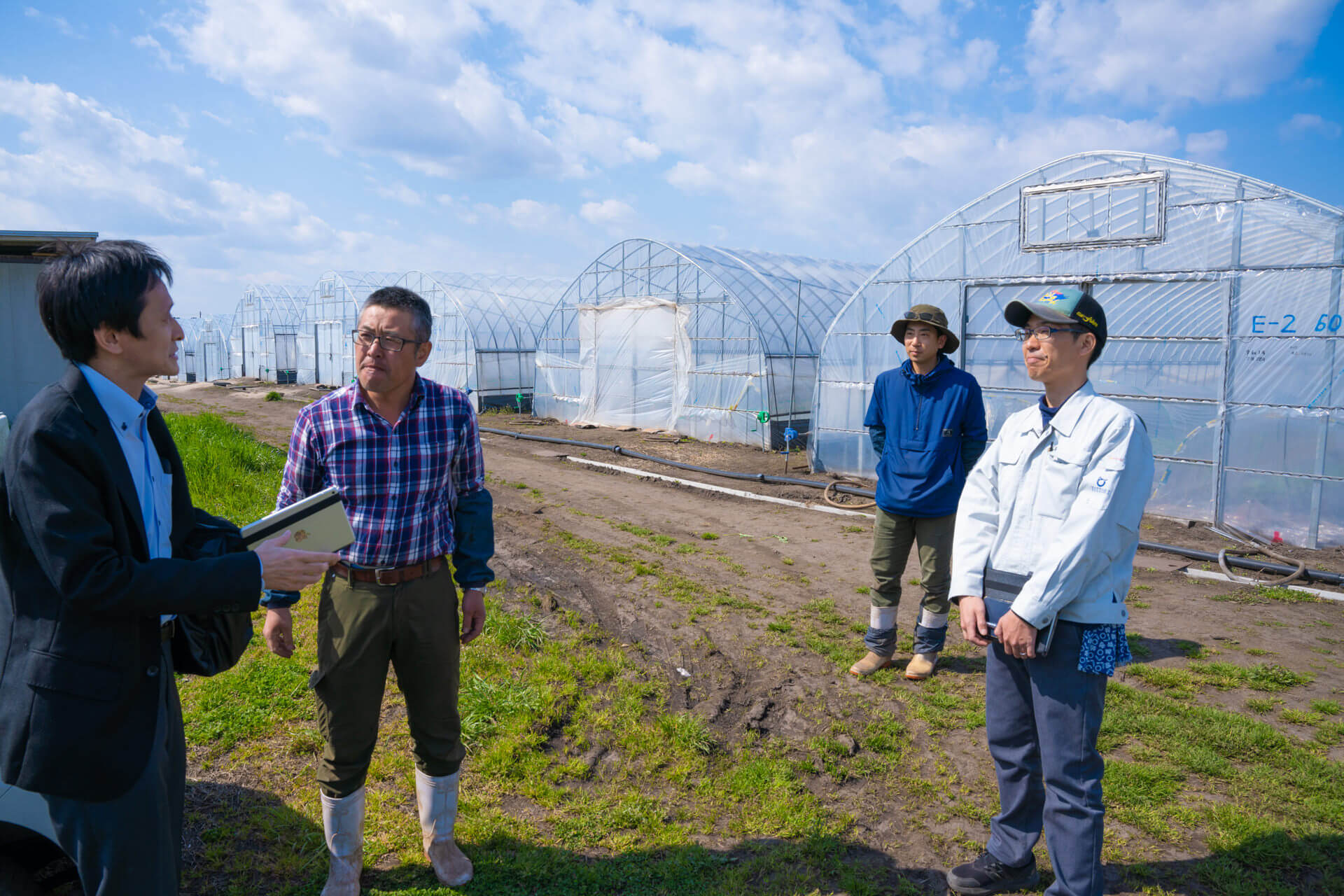
Mr. Sawaguchi played a central role in introducing the TR42 to local growers. At the time, agricultural extension advisors had been provided with iPads, and he began looking for practical ways to use mobile devices in his work with farmers. That search led him to the Bluetooth-enabled TR42.
He was already familiar with T&D data loggers from previous experience, but the type he had used required either collecting data in the field with a dedicated device or bringing the logger back and connecting it to a computer. The data would then be processed and shared with the farmers, which meant they might not see it until a day or two later. Mr. Sawaguchi wanted farmers to be able to check the data themselves, right in the field. The TR42 made that possible.
He first had three units purchased for trial use. About a week after they were installed, two of the growers who had tried them decided to buy units of their own. During the first year, six loggers were used within the Kurayoshi growers’ group. As they compared data through the cloud, temperature became a starting point for conversation.
Why did one farmer’s greenhouse show a different pattern from another’s? Was it being closed earlier? Was an older greenhouse losing heat through gaps? Could a simple change in the covering improve heat retention? These were practical questions that growers could discuss because they now had data in front of them.
At the time, there had also been discussion of installing a much larger and more expensive monitoring system. But it was difficult to know in advance whether such a system would really suit watermelon production. The TR42 offered a different way to begin: start small, try it in the field, and see what could be learned. Its relatively accessible price also meant individual farmers could consider buying one or two units themselves.
That combination of simplicity, mobility, and accessibility helped the idea spread.
43 Data Loggers Across the Growing Region
What began with just a few units eventually expanded across the growing region.
Through a Tottori Prefecture initiative, JA Tottori Chuo, the local agricultural cooperative, introduced a total of 43 TR42 data loggers. They were installed at more than 20 monitoring points across several growing areas, including Kurayoshi and neighboring Daiei.
The growers initially used the TR42 to monitor temperatures inside the low tunnels where the watermelons were growing. They later added outdoor measurements so they could compare conditions inside and outside and better understand differences between local temperatures and those reported by official weather stations.
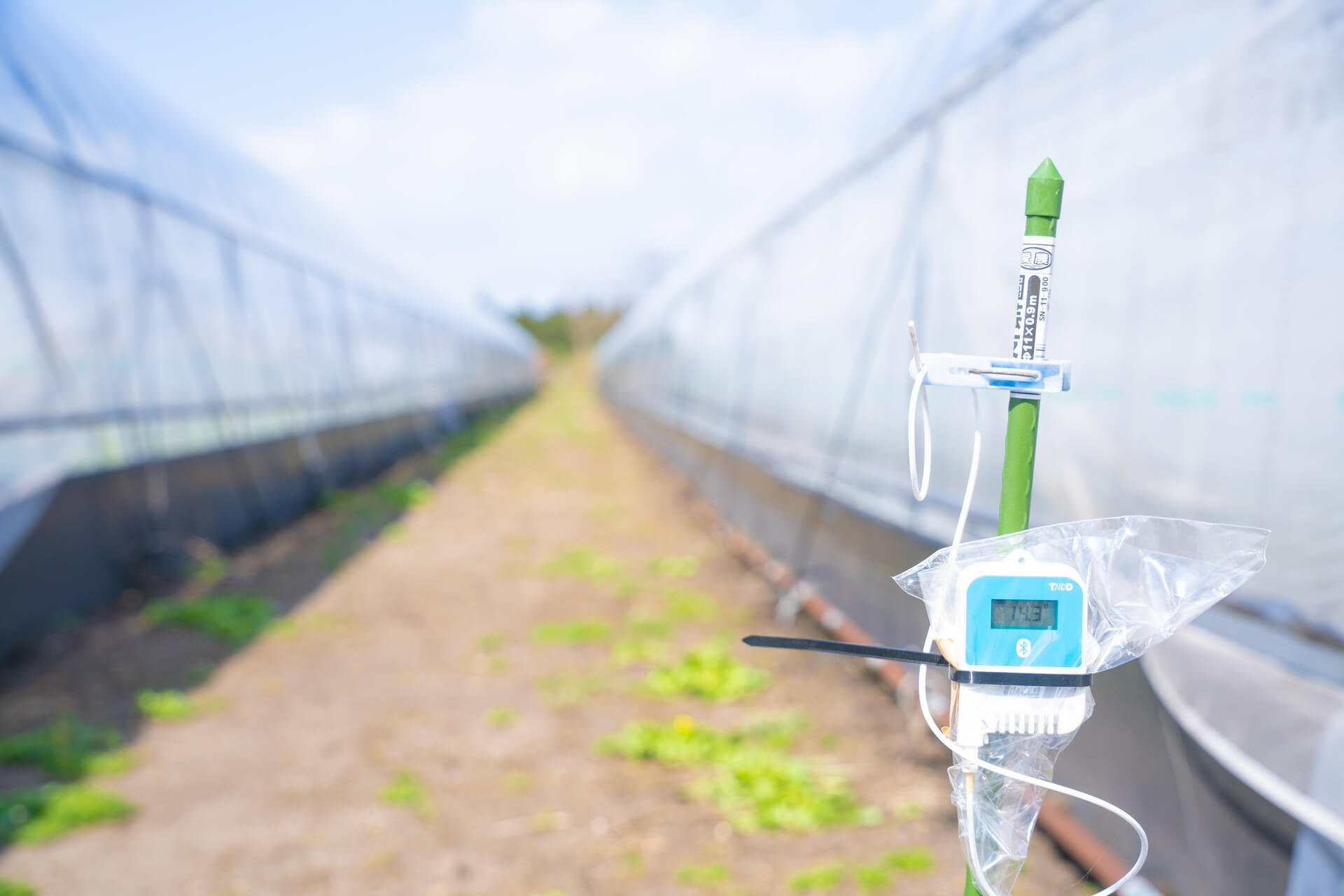
A TR42 monitoring outdoor temperature near the watermelon fields
This was particularly important during periods when frost was a concern. The nearest official observation point was closer to the coast, while the farms were farther inland, where temperatures could differ by 1–2°C (about 2–4°F). The TR42 was chosen in part because it is waterproof and supports Bluetooth communication. Farmers could collect data on their smartphones or tablets without retrieving the logger—even from inside their vehicles on rainy days.
Data from all of the units was managed under a single account on T&D WebStorage Service, T&D’s free cloud service. Comparing data from different growing areas revealed differences in temperature management that had previously been difficult to see.
That led to new questions. Were differences between Kurayoshi and Daiei partly due to outdoor temperatures? Were some greenhouses retaining heat better than others? How were those differences affecting the watermelons?
Temperature data gave growers a common basis for exploring those questions together.
Making Years of Experience Visible
Mr. Ota was the head of the local growers’ guidance team. For him, one of the greatest benefits of collecting data was not simply knowing the temperature. It was making farming knowledge visible.
Experienced growers can develop an intuitive sense of conditions after working in the fields for many years.
“We can more or less tell what the temperature is just by feel,” Mr. Ota explained. “But with younger farmers, you need to show them something they can actually see.”
For newer growers, being able to see the data made it easier to understand what to do and why. Instead of simply being told when to open or close a greenhouse, a new grower could see how that action affected the growing environment.
The data also created a common language between generations.
Growers could look at a graph together and discuss whether a greenhouse had been closed too late, whether it was losing too much heat, or whether more ventilation was needed to prevent temperatures from rising too high.
The goal was not to replace experience with data. It was to make experience easier to understand, discuss, and share.
Understanding What Happens Between the Maximum and Minimum
Watermelon cultivation requires particularly careful temperature management around the pollination period. Growers already had guidelines for suitable maximum and minimum temperatures. For example, before pollination they might aim for 28°C to 30°C (82°F to 86°F), while nighttime temperatures might be managed around 12°C to 15°C (54°F to 59°F).
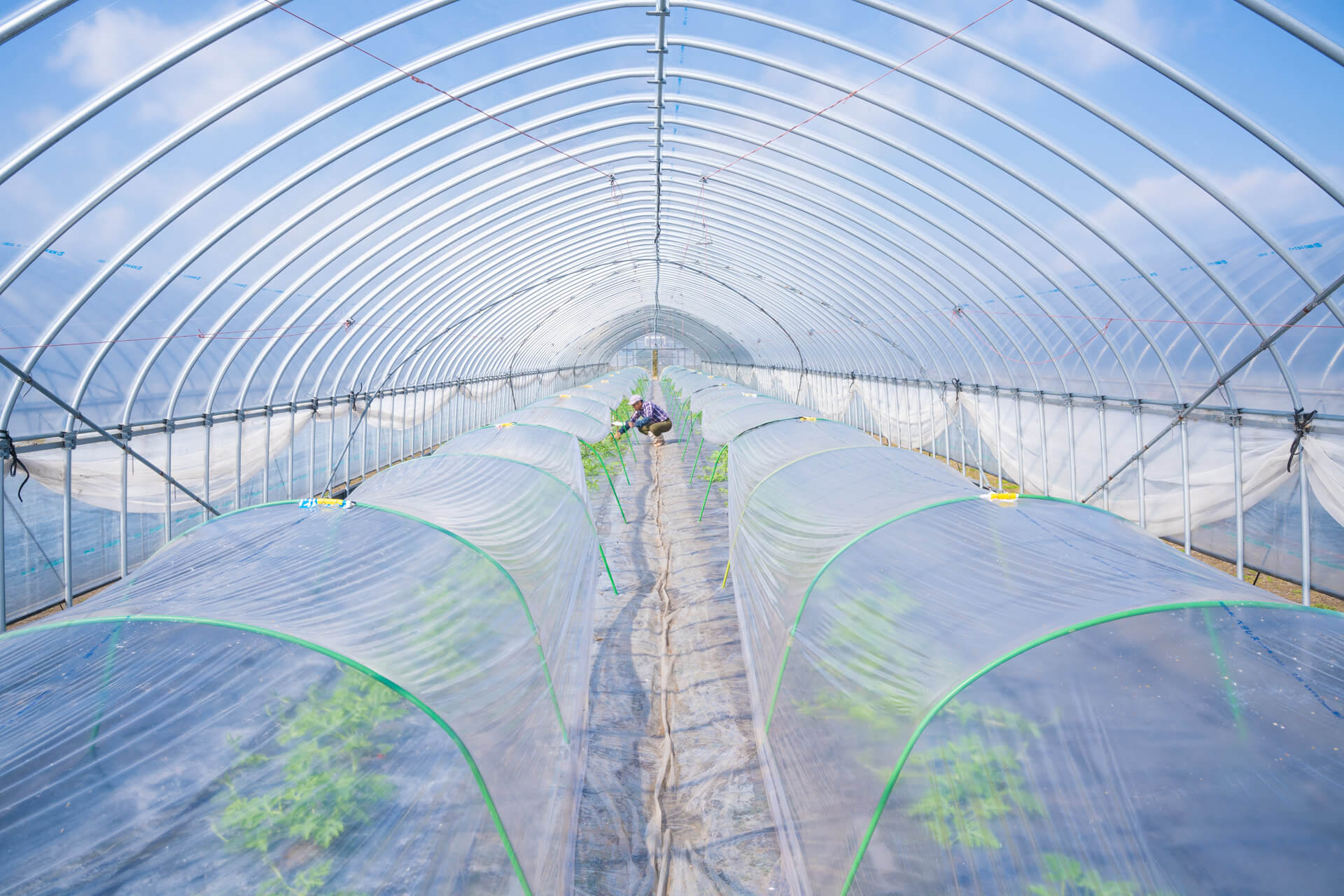
But a two-degree difference is difficult to judge by feel, and a simple maximum-minimum thermometer cannot tell the whole story.
If the temperature falls below 12°C (54°F), for example, how long did it stay there? Did that period affect the crop? If growers wanted to shorten the amount of time below that temperature, what time should they close the greenhouse?
Continuous recorded data allowed farmers to investigate those questions themselves. They knew when they had opened or closed the greenhouse and when they had adjusted the covering. By comparing those actions with the temperature graph, they could see the results of their own management decisions.
For busy farmers, being able to check that information immediately on a smartphone was essential.
Data Does Not Replace a Farmer’s Instinct
The benefits were not limited to people new to farming. Mr. Sawaguchi recalled an experienced grower in the Daiei area who had been producing watermelons for more than 20 years. After seeing his temperature management represented in graphs, the farmer said the data gave him greater confidence in what he had been doing.
Other veteran growers had similar experiences. Some had initially questioned why they needed a data logger at all. But the data gave them greater confidence in what they had been doing for years.
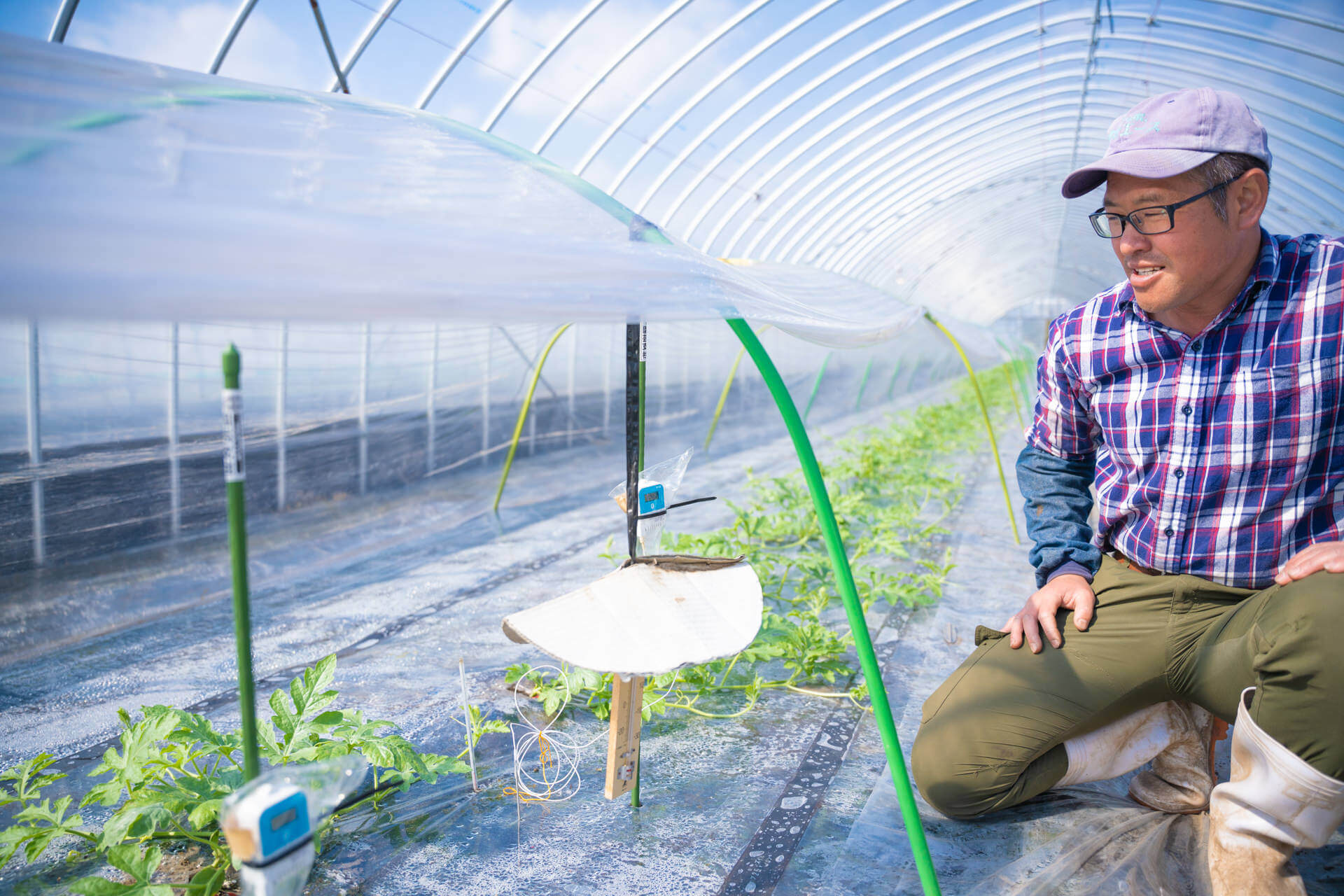
Sometimes, the data also revealed opportunities to improve. That was an important point for the growers in Kurayoshi: data was not being used to dismiss decades of experience and intuition. It gave farmers another way to examine that experience, confirm it, and explain it to others.
For family members, employees, and younger farmers, instructions could become more concrete. Instead of relying only on “it feels too warm” or “open it around this time,” an experienced grower could say, for example, “Open it when the temperature reaches 20°C (68°F).”
Knowledge that had once been difficult to put into words could now be shared through data.
A New Generation Experiments with Data
We also met Mr. Tamura, a relatively new farmer who served as the real-life model for the comic’s main character. After moving to Kurayoshi, he took over his grandfather’s farmland and began growing watermelons with guidance from farmers around him.
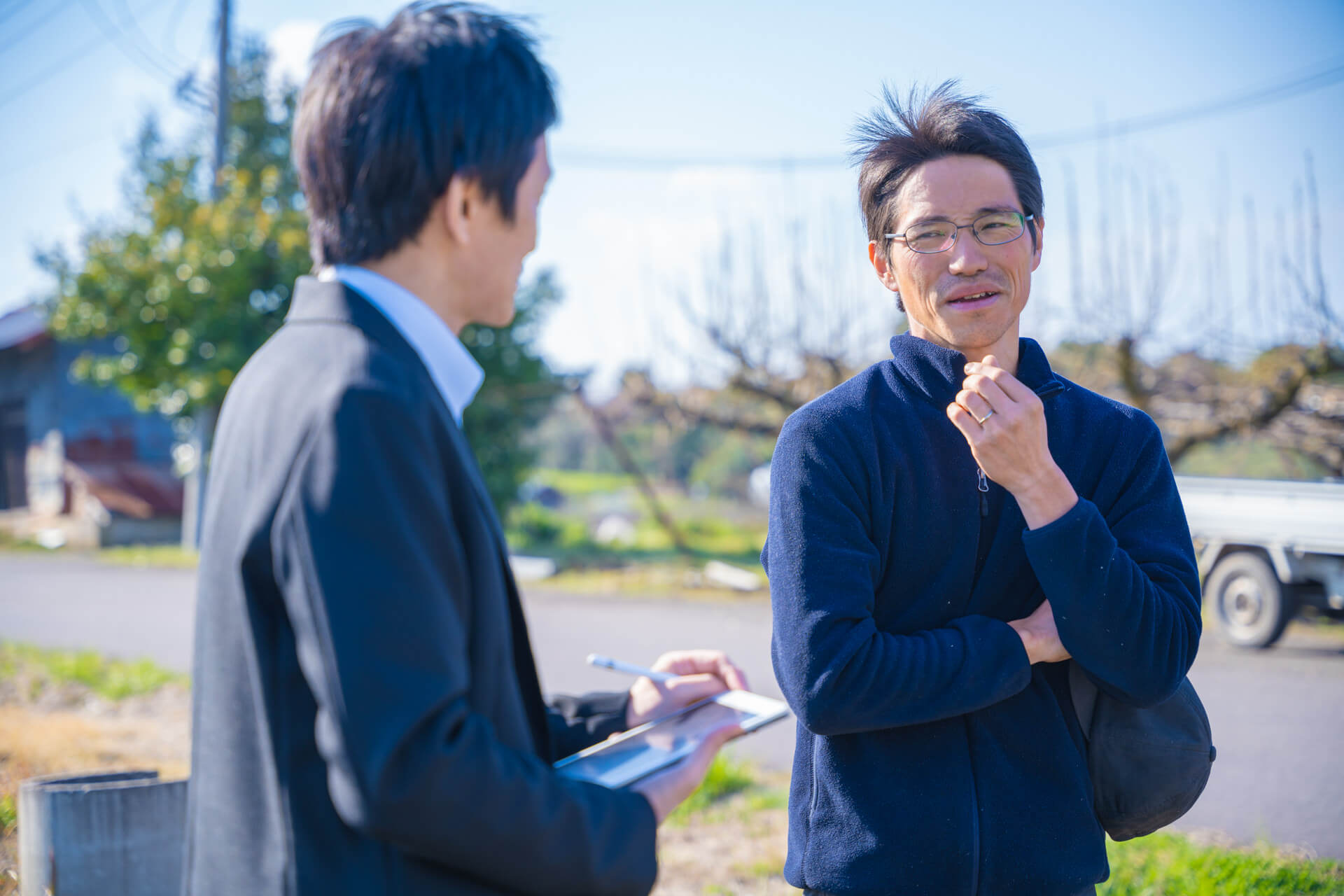
He was also an early adopter of the T&D TR4 Series data logger. Together with other newer growers, he used T&D WebStorage Service to share temperature data and review data from previous seasons when preparing for a new growing season.
But they were not simply following established methods. They were also using the loggers to investigate questions of their own. For example, Mr. Tamura and other growers compared different greenhouse covering materials to see how each affected temperature. If someone in the group had an idea they wanted to test, they could set up loggers and collect the data themselves.
He was also interested in monitoring humidity. Watermelon pollination depends in part on bee activity, and high humidity can discourage bees from flying. If growers could better understand the temperature and humidity conditions associated with reduced bee activity, the data might help them decide when manual pollination would be necessary.
This kind of farmer-led experimentation was also important to Mr. Sawaguchi. Large smart agriculture systems can require substantial investment, but with a relatively affordable logger, farmers can begin with just one or two units and test ideas for themselves. They do not have to wait for someone else to conduct the experiment. The tool gives them a way to explore their own questions.
A Simple Tool, Put to Creative Use
Our visit to Kurayoshi began with the unexpected sight of a TR42 in a web comic. But following that small discovery into the real watermelon fields led us to a much bigger story.
The farmers we met were not simply using data loggers to record temperatures. They were comparing conditions across growing areas, examining the effects of their own decisions, testing new ideas, and finding ways to share knowledge that had been built through decades of experience.
For veteran growers, data could confirm what years of experience had already taught them. For newer farmers, it provided a starting point for understanding that experience—and eventually developing knowledge of their own.
A data logger is, after all, a tool. Its value depends in large part on the creativity and curiosity of the people using it.
What impressed us most in Kurayoshi was how the farmers had taken a relatively simple and accessible measuring device and found their own ways to make it useful.
In their hands, the technology helped make that experience visible, shareable, and easier to pass on to the next generation.
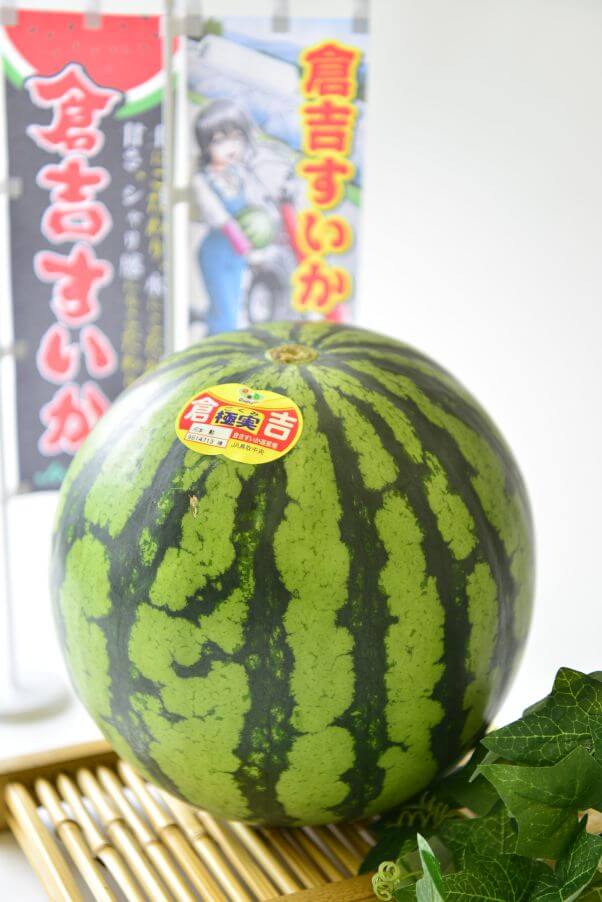
Gokumi Watermelon, a premium local variety grown in Kurayoshi
Visit the Kurayoshi City website here.