

Note: Names of organizations, offices, departments, etc. in the article are as of when the article was first published.
T&D recently launched T&D Lab on its website.
The word “lab” usually brings to mind a laboratory or research facility. So what exactly is T&D Lab?
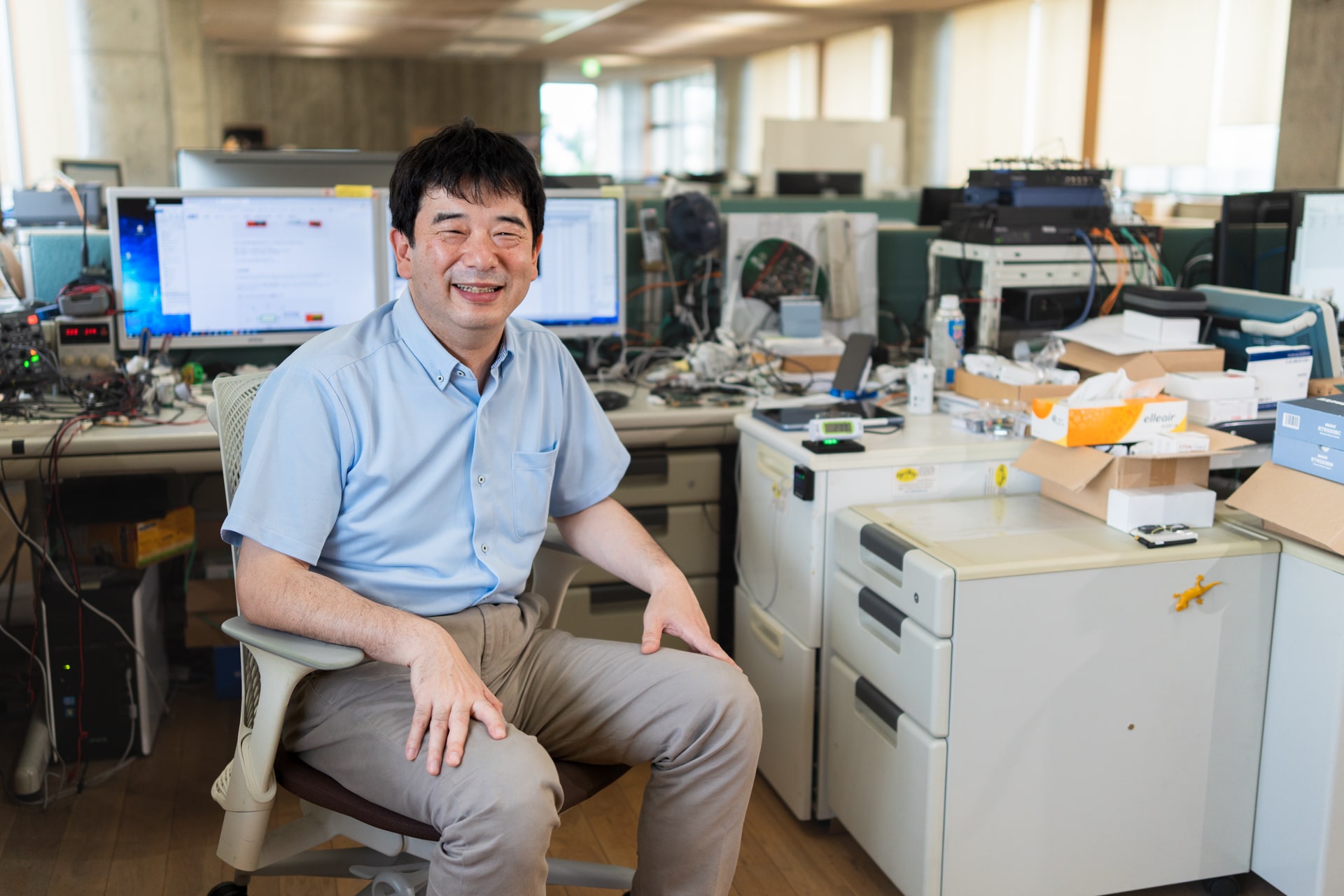
We spoke with Mr. Segi, who leads engineering at T&D and played a key role in launching it, to learn more.
Could you tell us what T&D Lab is?

Segi:
T&D Lab is a dedicated space on our website where we explore different ways to use T&D data loggers.
What kinds of topics does T&D Lab cover?
Segi:
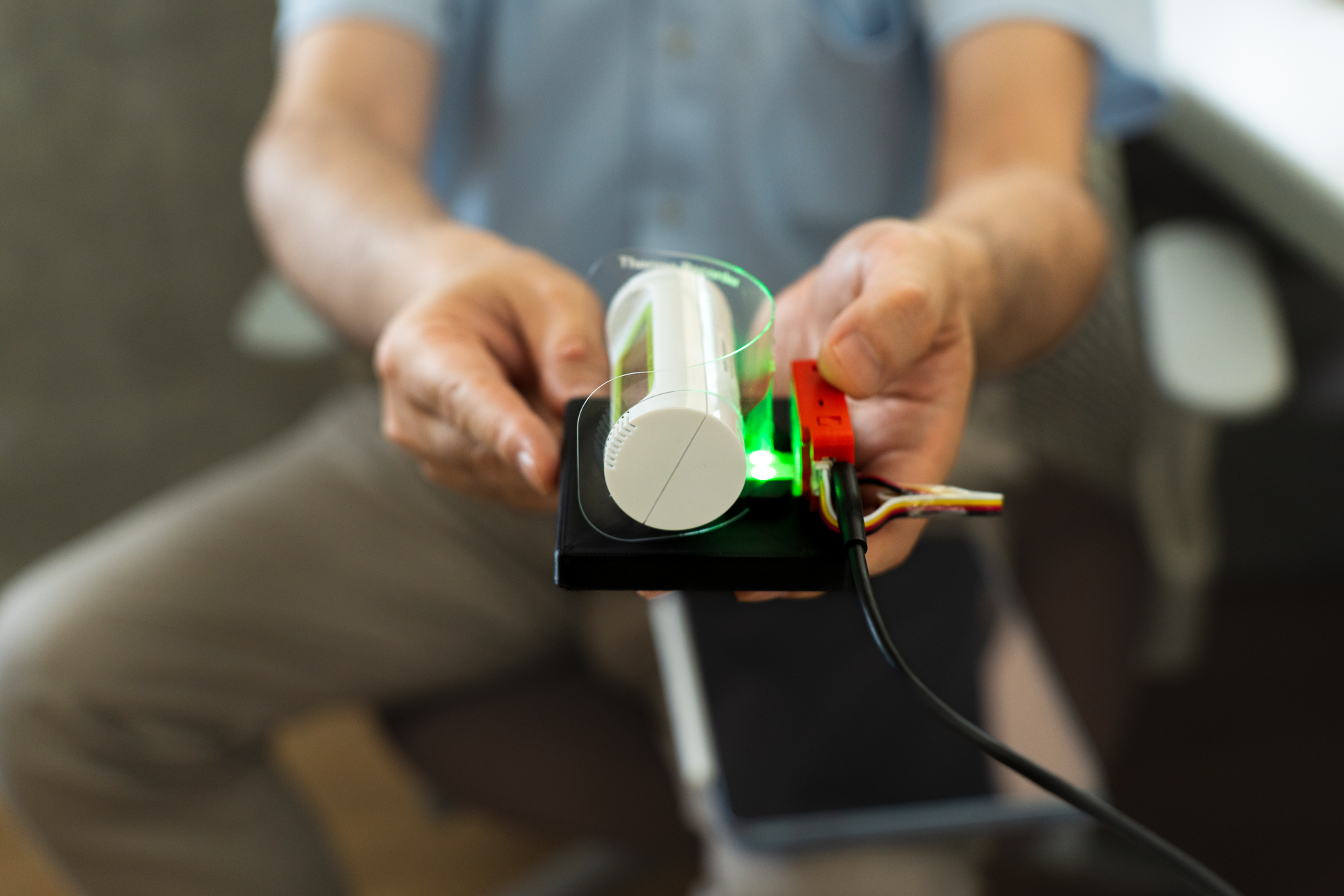
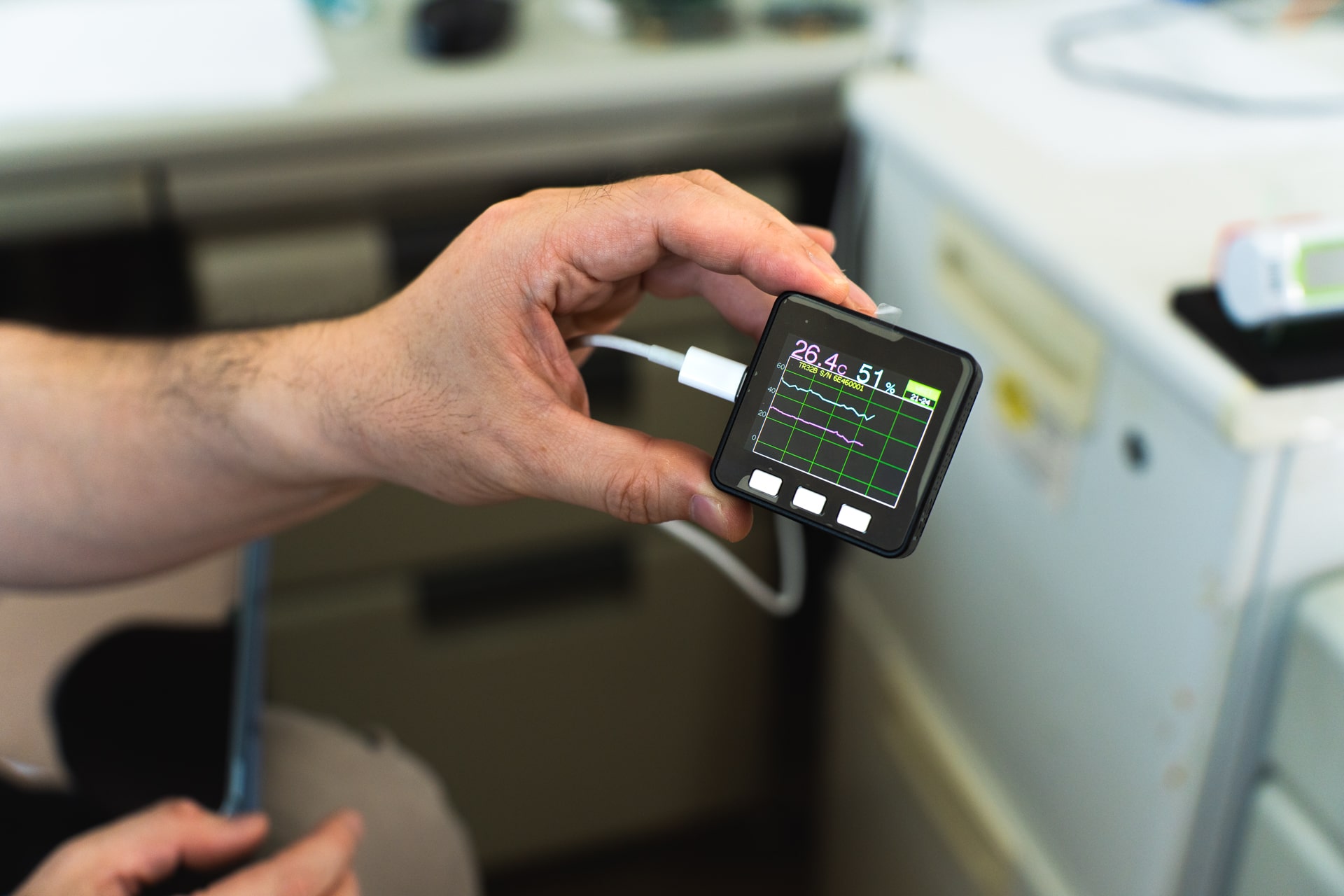
For example, one article shows how an M5Stack microcontroller board, a compact programmable device, can communicate with T&D data loggers via Bluetooth to build a custom monitoring interface.
Most people know Bluetooth as the technology that connects devices like headphones or keyboards to smartphones and computers. However, relatively few people realize that it can also be used to create custom monitoring and control solutions.
We wanted to show that almost anyone can make use of data from T&D loggers using today’s easy-to-use hardware and software tools.
Users could even combine these devices with control equipment to create systems that automatically turn on lights or activate water valves when certain temperature conditions are met.
――That sounds like a completely different way of thinking about data loggers. Instead of relying solely on existing smartphone or PC applications, users can create their own interfaces and control systems.
Segi:
Exactly.
The barriers to developing applications that use Bluetooth or Wi-Fi have become much lower over the years. Things that once required specialized equipment and development environments can now be accomplished with affordable microcontroller boards and widely available development tools.
That realization is what motivated me to start writing these articles.
What inspired you to create T&D Lab as a dedicated platform?
Segi:
For many years, T&D has made communication specifications available for customers who want to integrate T&D data loggers into their own systems.
Some customers have used those specifications to create their own software, monitoring systems, and other custom solutions.
Today, however, programming and hardware development are much more accessible than they once were. Because of that, we felt it would be valuable to provide practical examples showing how these kinds of integrations can be achieved.
Even though the technical barriers have come down significantly, simply publishing communication specifications and leaving the rest to users isn’t always enough to encourage more people to give it a try.
So we decided to start with examples that use readily available hardware and relatively simple development tools, such as Arduino IDE and M5Stack microcontroller boards.
What role do you hope T&D Lab will play for users?
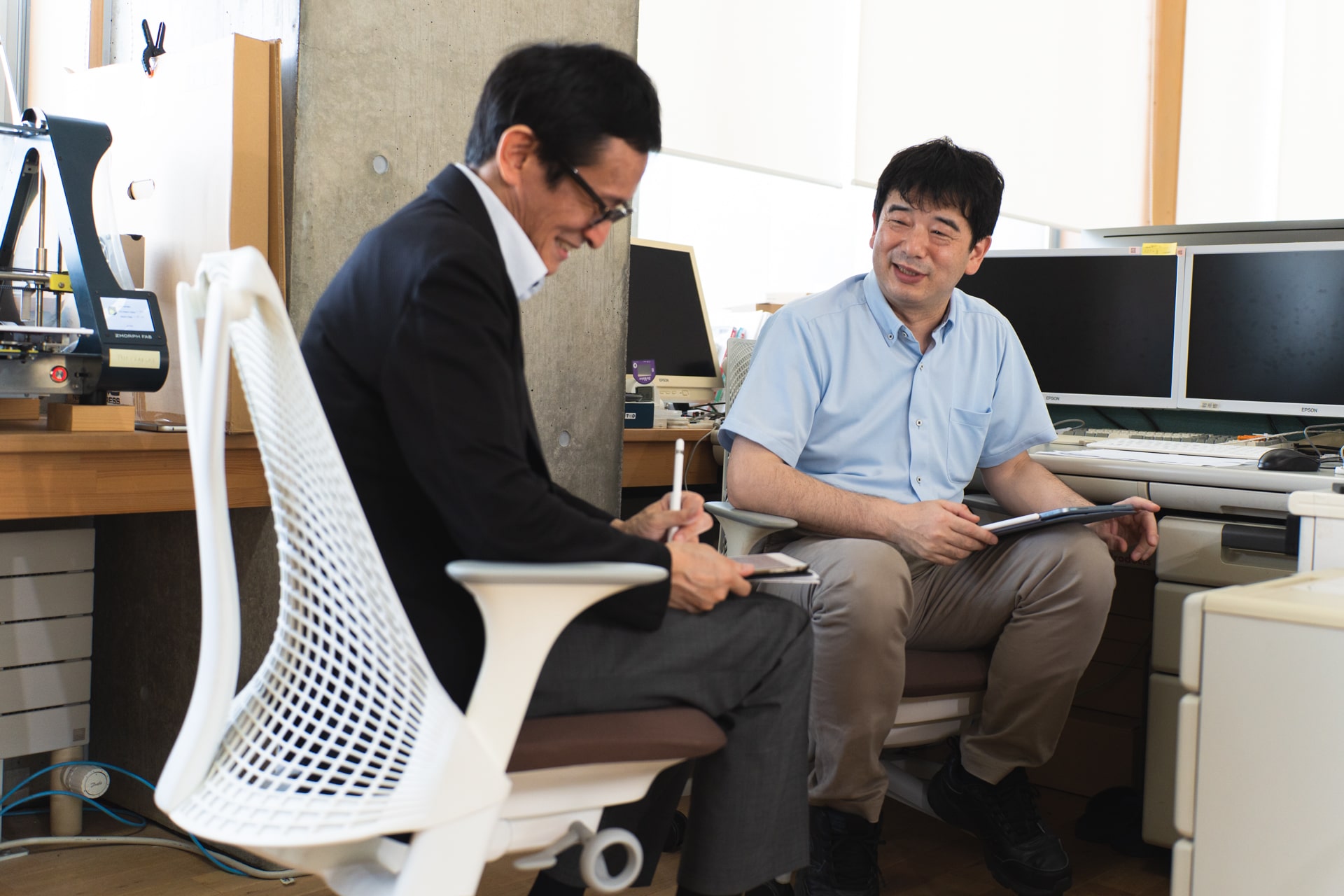
Segi:
T&D data loggers were never designed for a single predefined purpose.
Since the beginning, we’ve intentionally avoided saying, “Use them this way.” We’ve always believed that the true potential of the product comes from customers discovering their own unique ways to use it.
Over the years, customers have shown us ways of using our products that we never would have imagined ourselves. Whenever that happens, we learn something new as well.
The goal of T&D Lab isn’t to tell people how our products should be used.
We hope it inspires readers to discover new possibilities and think, “I didn’t realize T&D data loggers could do that!”
Some readers may feel intimidated when they see source code. Who do you hope will read T&D Lab?
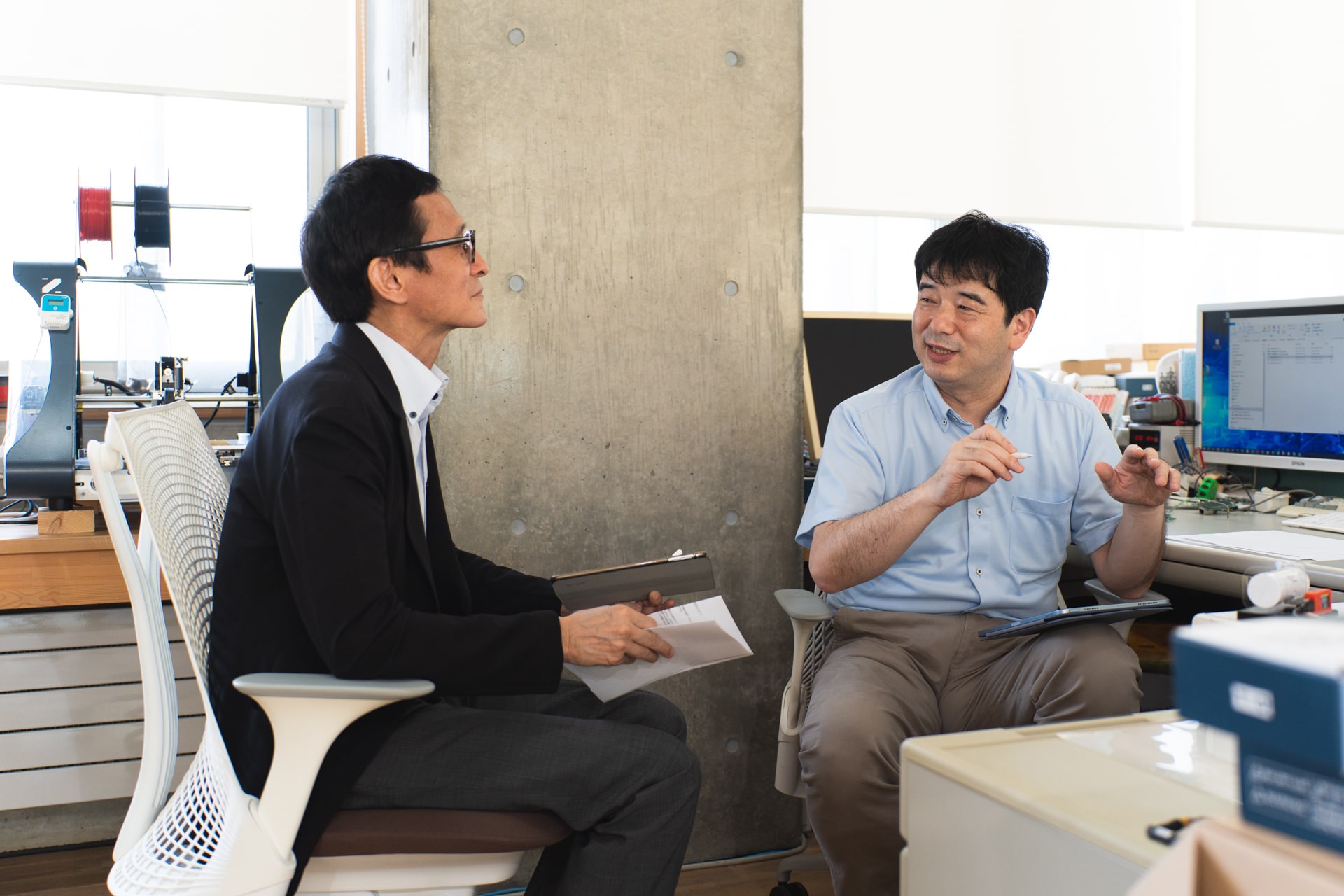
Segi:
At first glance, these articles may seem like they’re intended only for engineers doing advanced technical work. But that’s not the case at all. The projects we introduce can be completed without specialized knowledge, so we’d like anyone with an interest to give them a try.
When writing the articles, our main priority is simple: “If you copy and paste the code and follow the steps, it works.”
We explain the parts that involve communicating with T&D data loggers in detail. On the other hand, we don’t spend much time covering information that can easily be found elsewhere on the web or in books.
My hope is that even people with no programming experience can follow along, understand the process, and eventually find themselves thinking, “Ah, now I get it.”
The first step is simply to try it. Once it works, readers can modify it, expand it, and make it their own.
How do you hope T&D Lab will grow in the future?
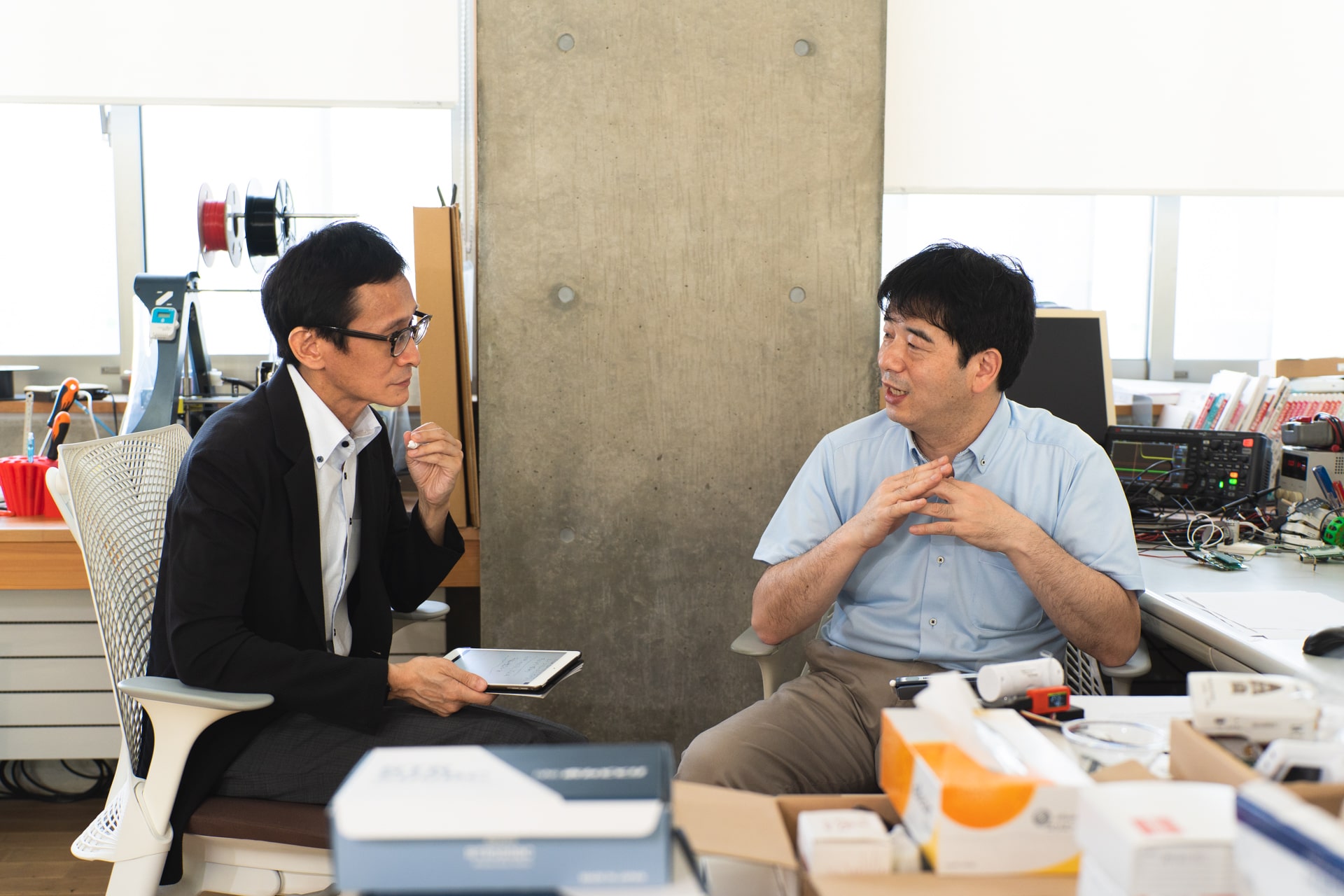
Segi:
T&D Lab brings together ideas and expertise from different teams across the company.
As it grows, we’d like to share an even broader range of content, from software and system integration to practical tools and creative ways to use our products.
Above all, we hope it remains a place where readers can discover new ideas and find inspiration for their own projects.
Finally, do you have a message for our readers?
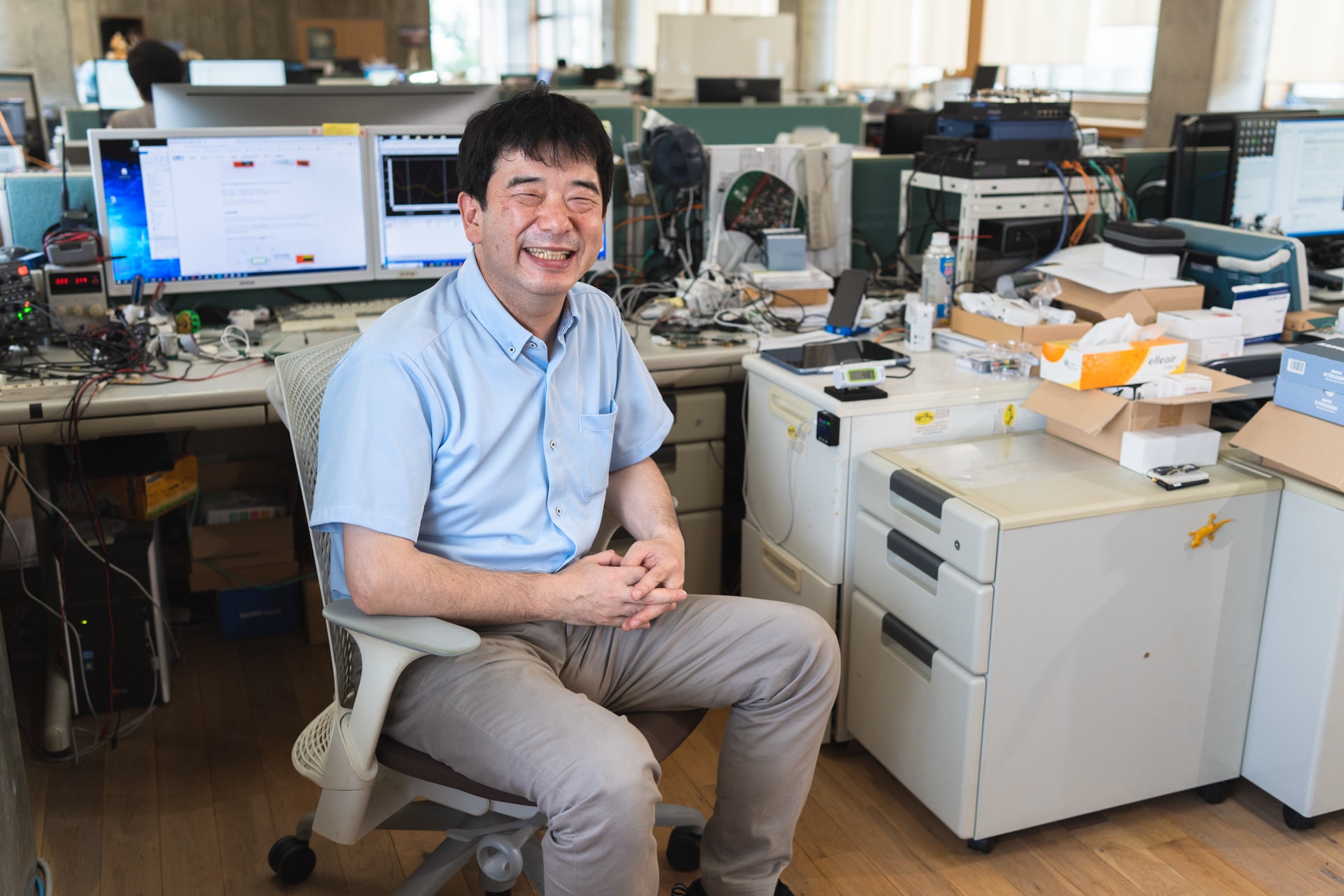
Segi:
I hope readers will explore the articles, try things for themselves, and experience the satisfaction of creating something of their own using T&D data loggers.
Projects like these aren’t limited to professional engineers. It’s more accessible than many people realize, and sometimes the best way to learn is simply to try.
It may be unusual to see a manufacturer sharing projects that combine its own products with DIY development tools. If T&D Lab helps readers see our products—or our company—from a new perspective, I’d be very pleased.
We’ll continue adding new articles and sharing new ideas, so I hope you’ll follow along.
Behind the Idea
Mr. Segi’s interest in programming began nearly forty years ago.
As a child, he spent countless hours typing source code from computer magazines into his computer and seeing what happened when he ran it. At first, he didn’t fully understand how the programs worked, but the experience gradually helped him learn.
That hands-on approach continues to influence the way he thinks about technology today.
It also shapes the philosophy behind T&D Lab: providing practical examples that help people explore new ideas and discover what they can build for themselves.
T&D Lab
tandd.com/lab/