
Note: Names of organizations, offices, departments, etc. in the article are as of when the article was first published.
When standing before a Japanese sword, we are often captivated by its beauty—and sometimes by the powerful presence it seems to carry.
What we rarely stop to consider, however, is the amount of care, expertise, and day-to-day decision-making required to keep that sword in a condition where it can continue to be seen and appreciated by future generations.
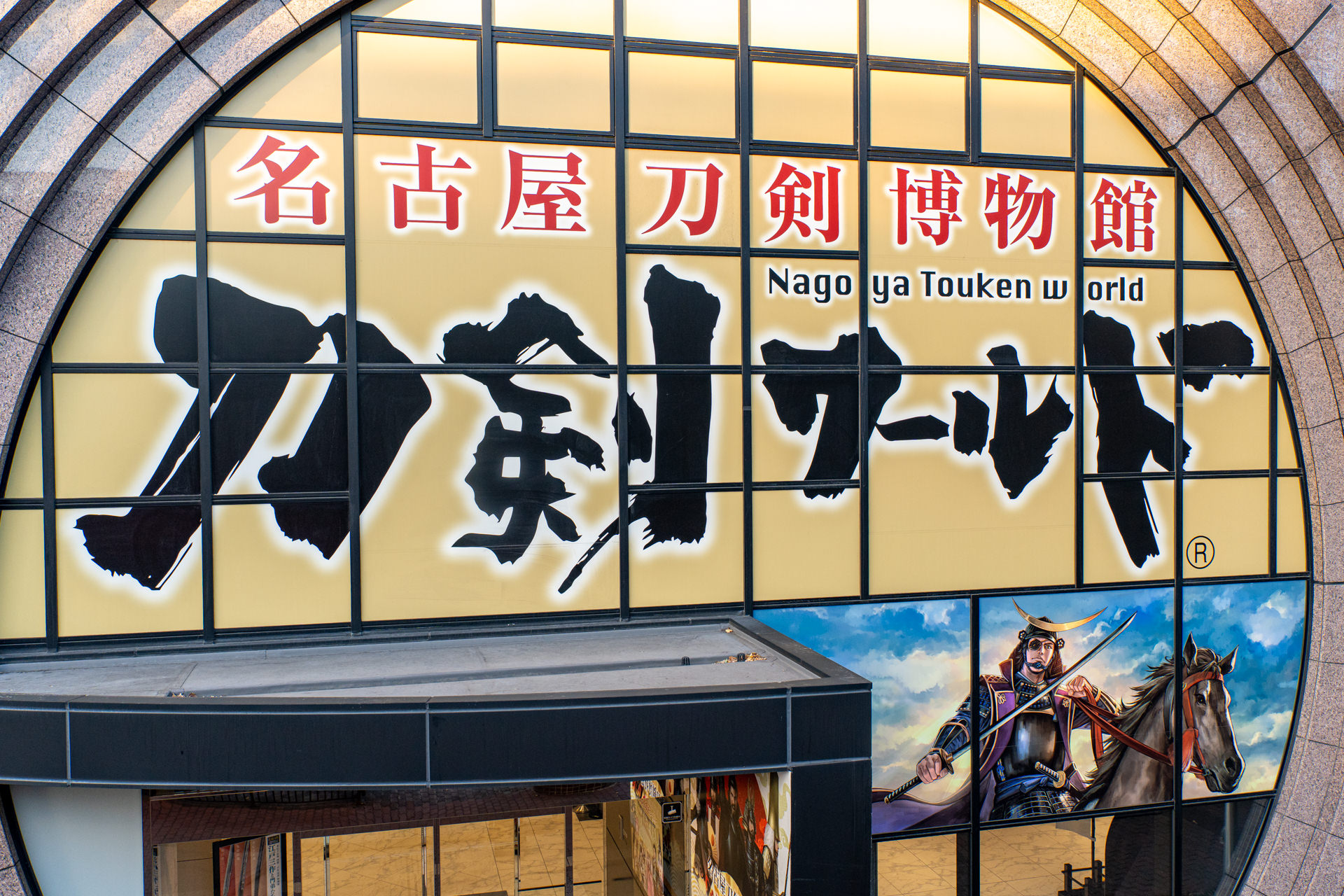
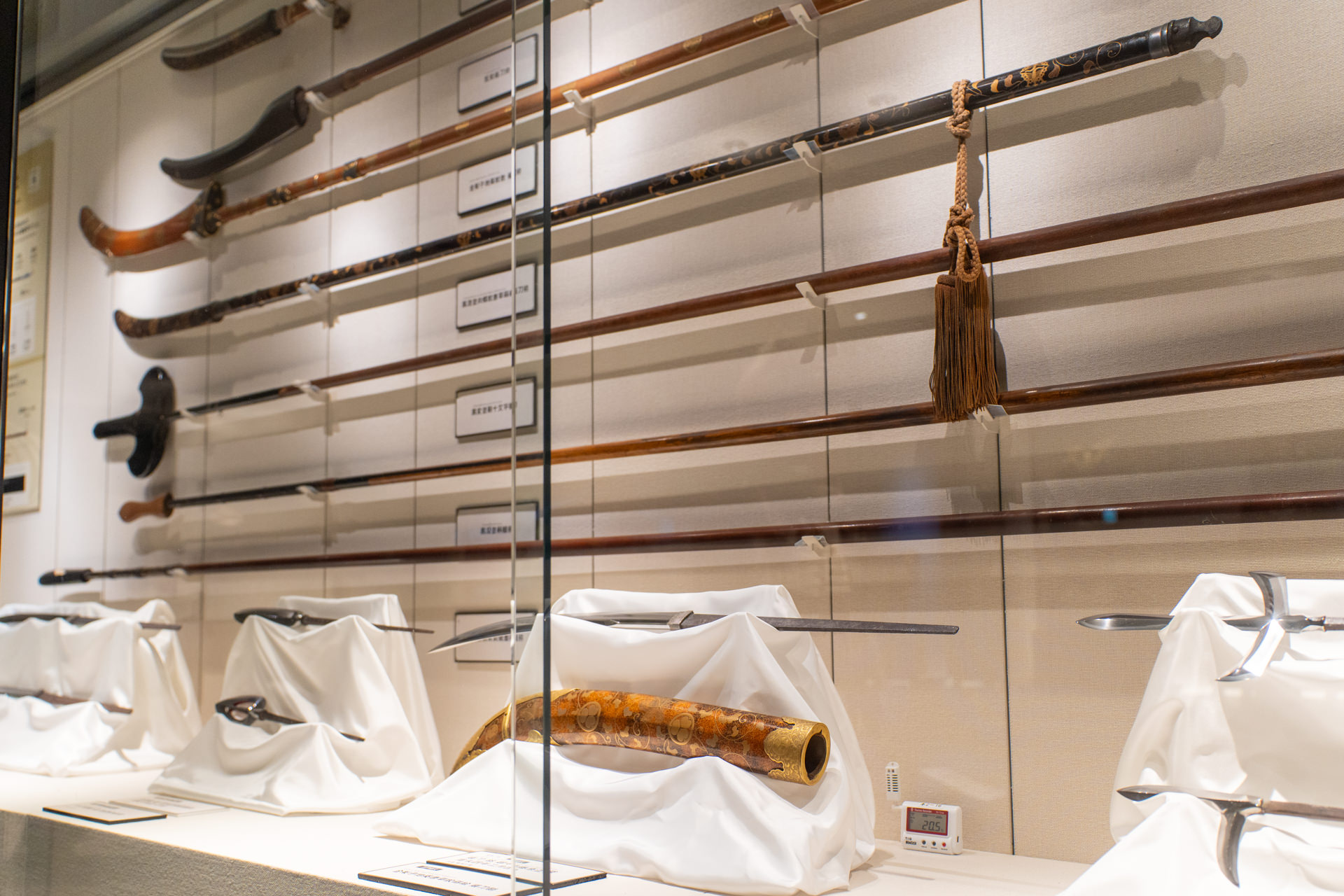
At the Nagoya Touken Museum, authentic artifacts—including Japanese swords, armor, firearms, and ukiyo-e woodblock prints—are exhibited to the public. The museum’s philosophy is to display the real thing whenever possible. While this is one of its greatest attractions, it also means exposing irreplaceable cultural assets to changes in their environment.
Balancing the desire to share cultural heritage with the responsibility to preserve it is never simple.
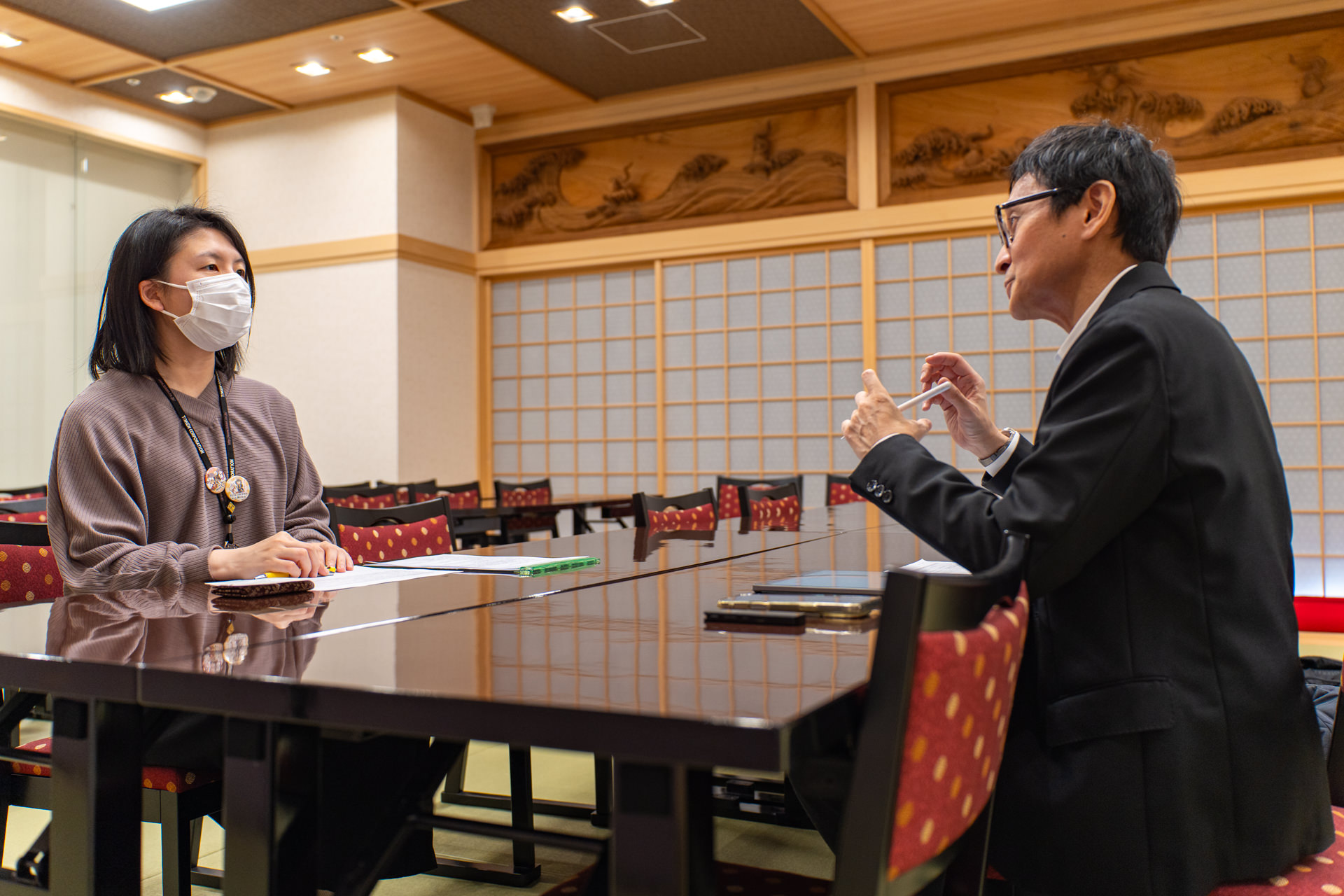
For this article, we visited the Nagoya Touken Museum in Sakae, Nagoya, and spoke with Vice Director Ms. Shimazaki about how temperature and humidity are managed for both exhibited and stored artifacts.
As she guided us through the galleries and collection spaces, we gained a deeper understanding of the challenges involved in preserving cultural artifacts—where environmental data and human judgment work hand in hand.
| Date | December 15, 2025 |
|---|---|
| Place | Nagoya Touken Museum |
| Model in Use | TR-72wb |
| Purpose | Temperature and humidity management for exhibited and stored artifacts, including Japanese swords |
The Story Behind the Nagoya Touken Museum
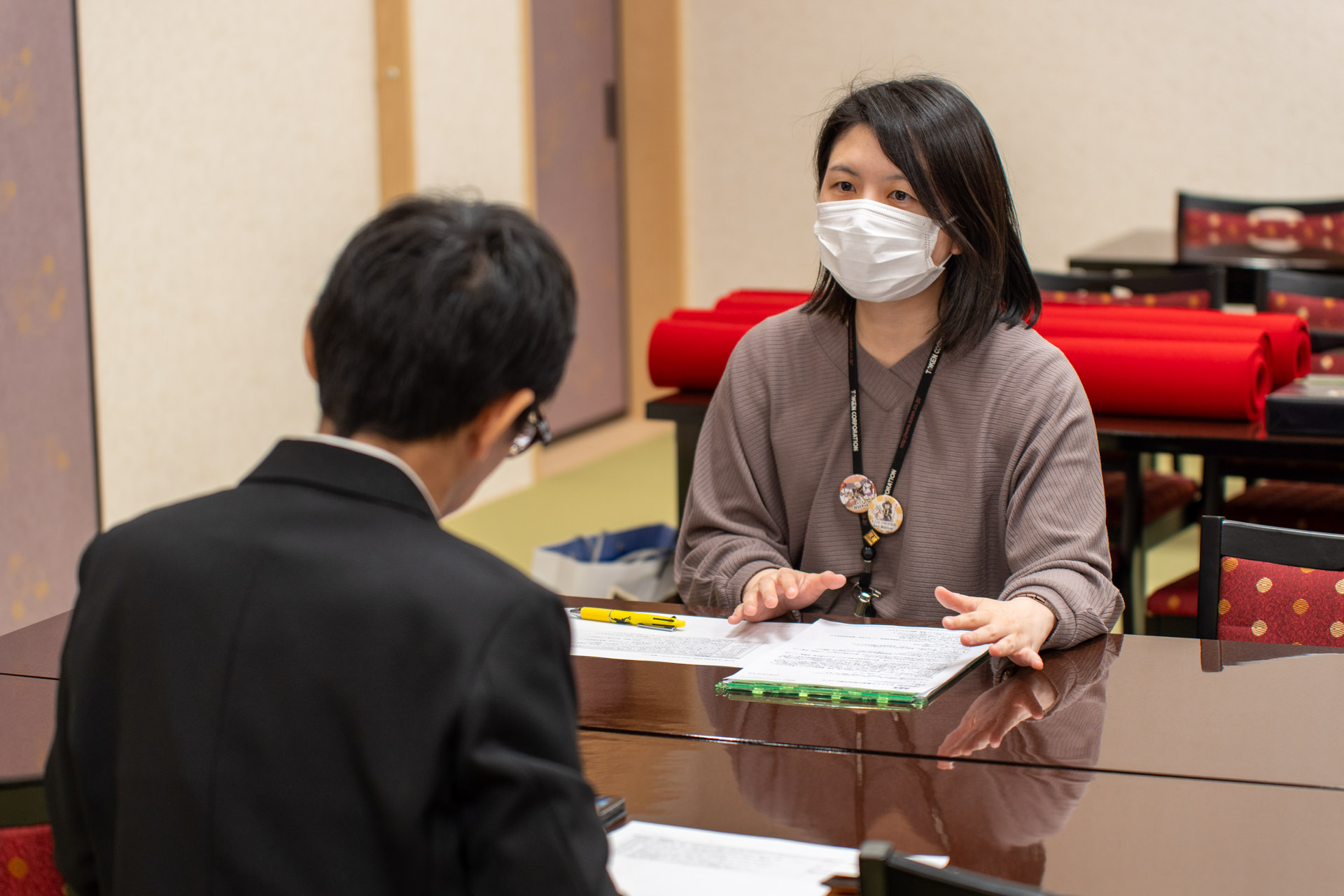
The Nagoya Touken Museum began with the private collection of the chairman of Token Corporation. His interest in Japanese swords started when he was in his twenties, and over time that passion grew into a collection that now forms the foundation of the museum.
Today, the museum is operated as one of Token Corporation’s CSR initiatives. Although the chairman passed away in 2025, the museum continues to carry forward his vision.
The collection now includes more than 3,000 items: approximately 550 Japanese swords, 400 firearms, 150 suits of armor, nearly 800 ukiyo-e prints, and many other historical objects and decorative items.
When asked about the museum’s main attraction, Ms. Shimazaki answered without hesitation.
“It has to be the swords.”
The museum’s collection includes one National Treasure and ten Important Cultural Properties—Japan’s highest categories of officially designated cultural assets—and all of them are Japanese swords.
Another defining feature is the museum’s commitment to displaying as much of its collection as possible.
“The chairman’s philosophy was simple: show as much as possible,” Ms. Shimazaki explained.
Compared with museums of a similar size, the Nagoya Touken Museum displays roughly two to three times as many artifacts.
That philosophy helps make the collection more accessible to visitors—but it also increases the importance of environmental management.
A Museum in Both the Physical and Digital Worlds
Before the museum opened, the chairman had a clear vision: to create a museum in both the physical and digital worlds.
The opening was delayed by the COVID-19 pandemic, but work continued online, eventually becoming Touken World, a virtual museum and online resource dedicated to Japanese swords and Japanese history.
When the museum finally opened in 2024, the vision of combining physical and digital experiences became a reality. Today, the museum and Touken World work together to share Japanese sword culture with audiences in Japan and around the world.
Why T&D Data Loggers Were Introduced

According to Ms. Shimazaki, T&D data loggers had already been selected during preparations for the museum’s opening.
Before that, environmental monitoring relied largely on analog thermometers and hygrometers. Staff members walked through the museum and recorded readings by hand, making it difficult to identify sudden changes or understand long-term trends.
To improve this process, the facilities and building design teams chose T&D data loggers because they could provide stable long-term monitoring, automatically collect data through the cloud, and send email alerts when environmental conditions moved outside acceptable ranges.
For a museum responsible for preserving nationally significant cultural artifacts, having continuous access to environmental data was a major advantage.
How the Museum Established Its Environmental Standards
Because the museum houses nationally designated cultural properties, it consulted with the Agency for Cultural Affairs and other organizations as part of its preparations for opening.
The collection includes objects made from many different materials—from steel swords to armor, lacquerware, and paper artifacts—so the museum needed an environmental standard that could accommodate the collection as a whole. After consulting with other museums that manage Japanese swords, it adopted 22°C (72°F) and 55% relative humidity as its baseline target.
Humidity was considered especially important. Many swords are displayed together with their mountings, which often include lacquered components that require a certain level of moisture to remain stable. For that reason, 55% relative humidity was chosen as a practical balance between the needs of different materials.
While humidity is monitored closely, temperature is managed with some flexibility to account for seasonal variation.
Rather than treating 22°C (72°F) and 55% as fixed numbers, the museum uses them as a reference point, continuously monitoring conditions and making adjustments as needed. T&D data loggers are used to verify that these conditions are being maintained and to support ongoing environmental management.
When Plans Meet Reality
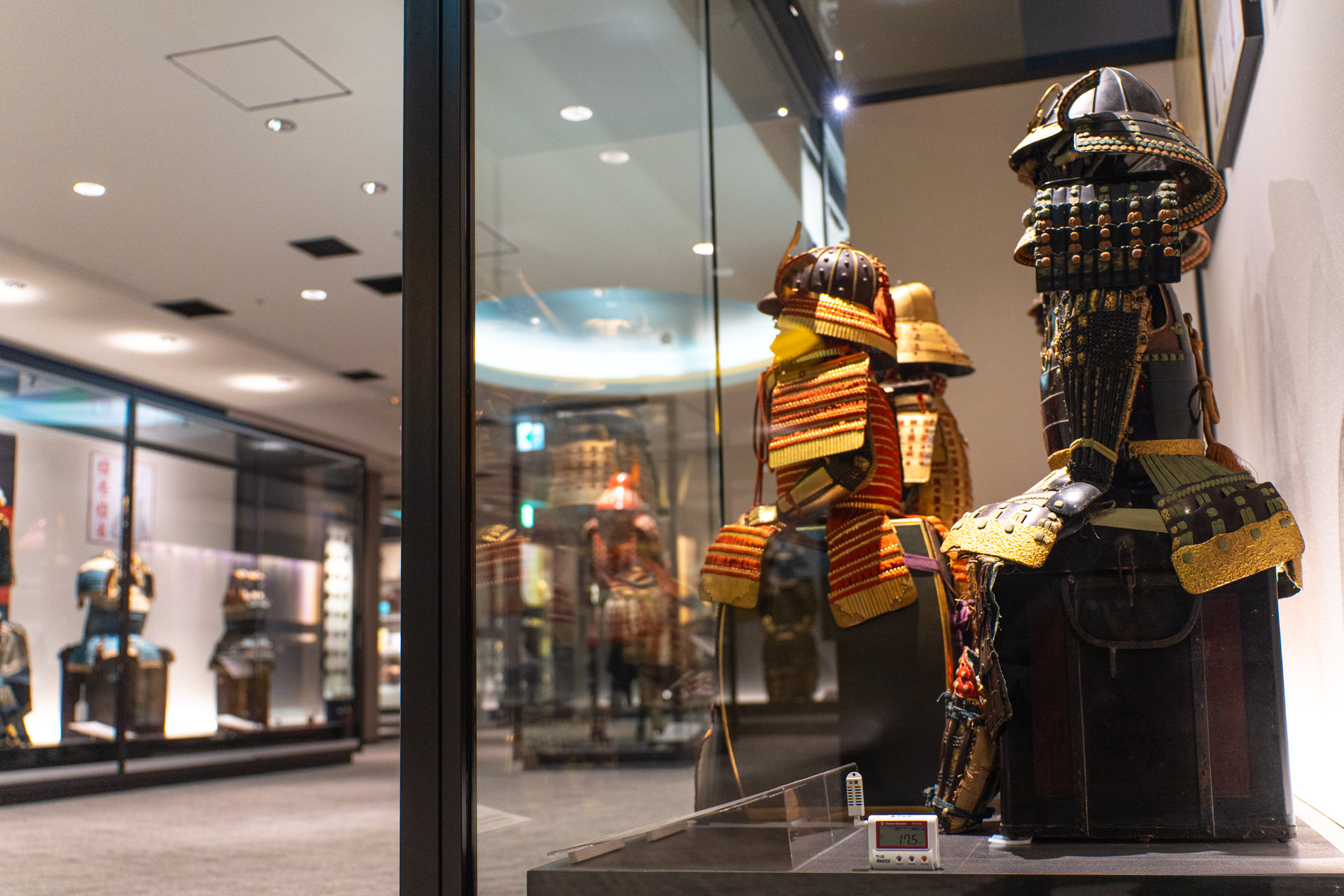
The delayed opening ultimately gave the museum an extended trial period before welcoming visitors.
During that time, staff were able to observe the building and collection through multiple seasonal cycles while testing whether the target conditions could realistically be maintained in exhibition galleries, display cases, and storage areas. In particular, maintaining humidity at 55% became a key focus.
“Having that additional time was actually very valuable,” Ms. Shimazaki recalled.
However, once the museum opened, the reality of day-to-day operation proved more complex than expected.
Visitor traffic affects airflow throughout the building, and environmental conditions can vary from one display case to another. Some cases are highly airtight, while others are more influenced by the surrounding room environment.
In addition, the unusually long summer of 2025 created challenges that went beyond normal seasonal variation. Temperature and humidity fluctuated more than anticipated, making it increasingly difficult to maintain conditions exactly as planned.
As a result, the museum continues to collect data through T&D data loggers and uses that information to refine its environmental management practices.
Balancing Access and Preservation
We asked Ms. Shimazaki a simple question:
If keeping artifacts in the best possible condition is the goal, wouldn’t it be safer not to display them at all?
She smiled before answering.
“I think everyone involved in exhibitions has considered that at some point.”
From a preservation standpoint, not displaying the artifacts would certainly reduce risk. But the museum’s mission is not only to preserve cultural heritage—it is also to share it with the public.
“If we are exhibiting these objects to promote culture, we have to continue doing so while carefully managing the risks,” she explained.
Among those risks, mold and condensation are particular concerns.
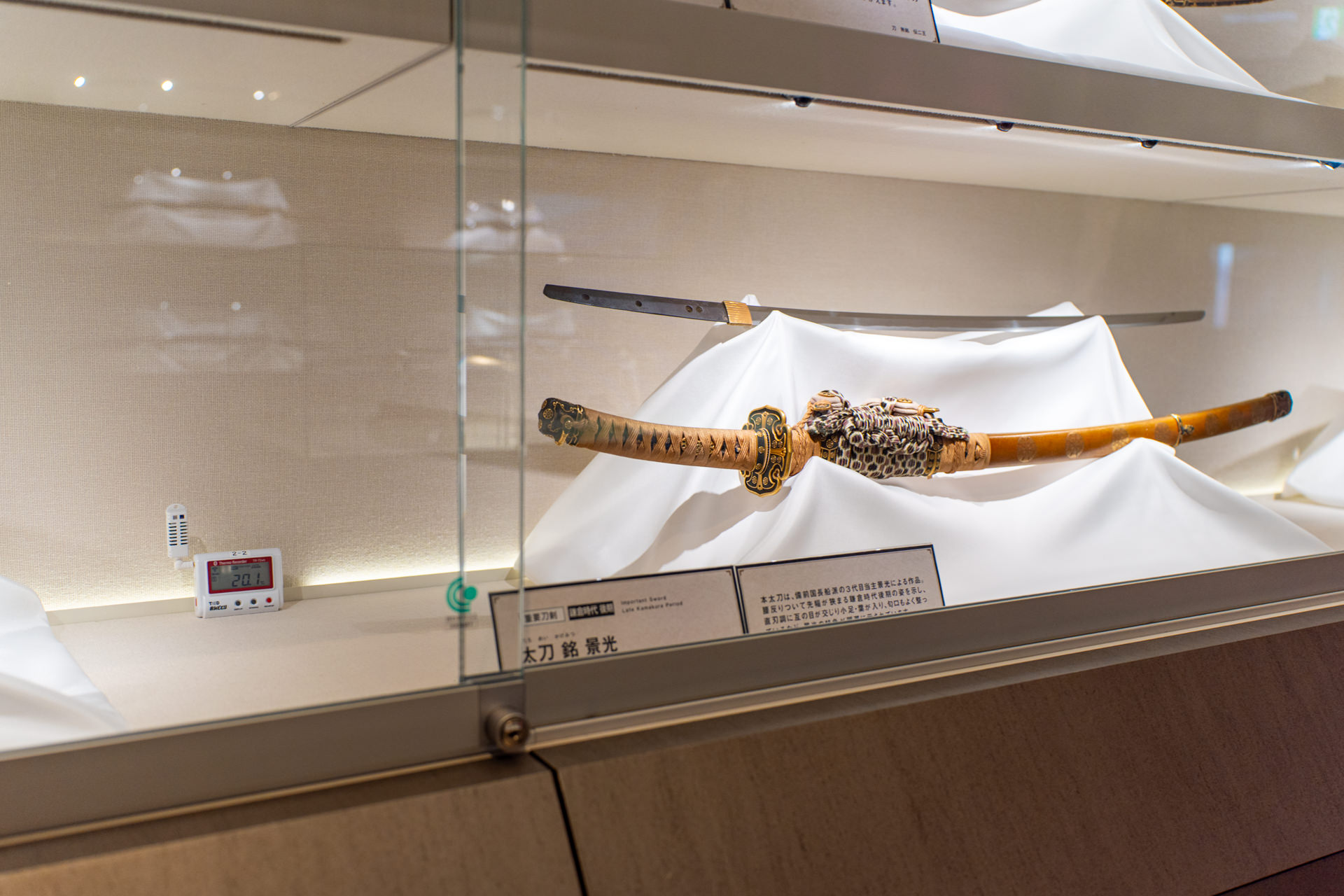
Many of the museum’s swords are displayed together with their mountings—the scabbards, handles, guards, and other fittings that accompany the blade. These components often contain lacquer, which requires a certain level of humidity to remain stable.
“If we were considering only the blade itself, we could probably lower the humidity further,” Ms. Shimazaki said. “But we need to think about the sword and its mountings as a whole.”
The museum applies the same philosophy to the question of replicas.
“If we display a sword, it is the real thing,” she explained. “If we cannot display the object itself, we may use panels. But we do not display replica swords.”
Museums around the world face growing challenges in maintaining storage space and preservation resources for their collections. In some cases, this has led to broader discussions about how much of a collection needs to be physically displayed or preserved.
Yet for Ms. Shimazaki, there is no substitute for seeing the real object.
That commitment is one reason environmental management remains such an important part of the museum’s work.
The challenge is not choosing between preservation and public display.
It is finding a way to achieve both.
How T&D Data Loggers Are Used
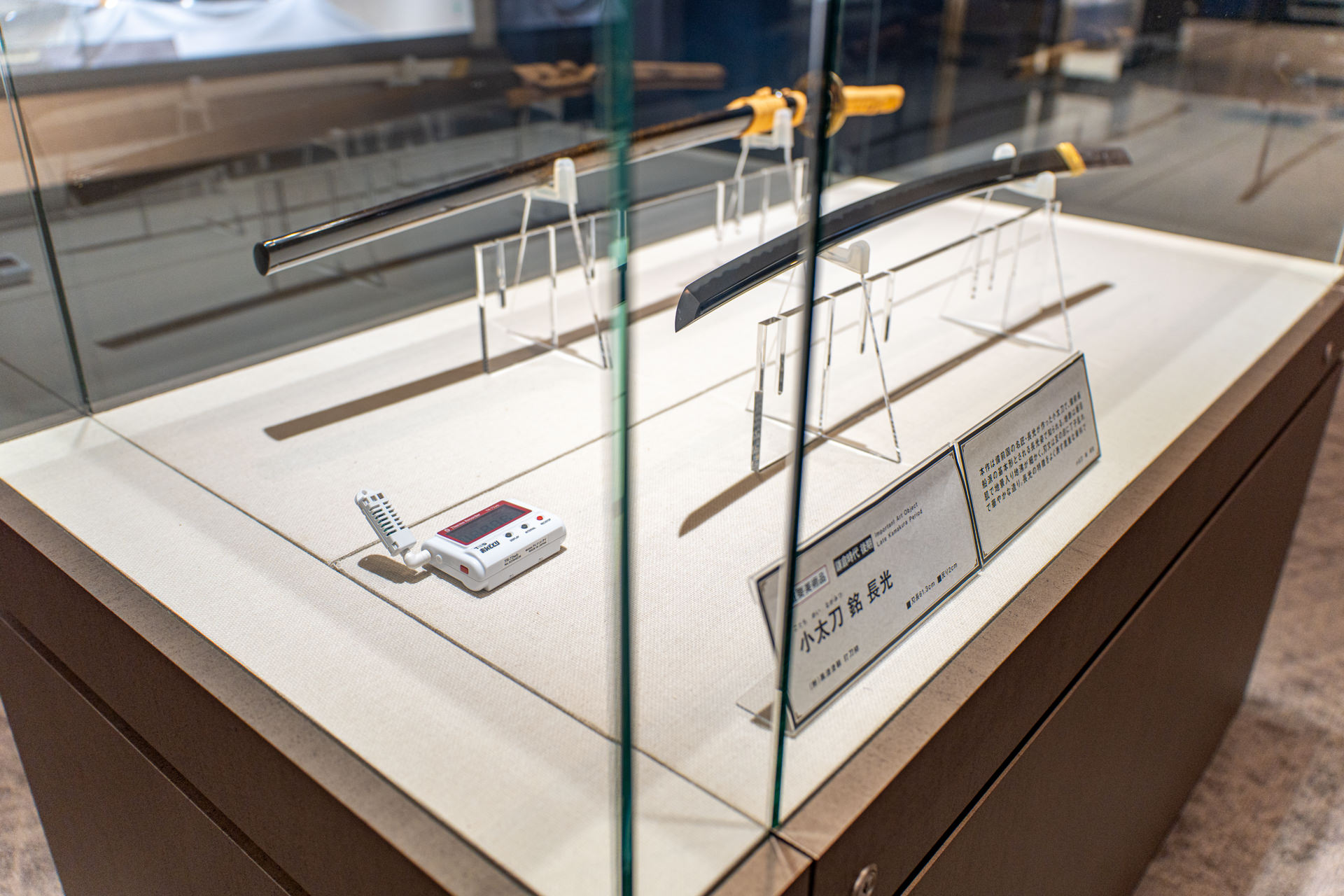
Today, the museum uses TR-72wb units throughout the main building, with data collected automatically via Wi-Fi and uploaded to the cloud.
When Ms. Shimazaki first joined the museum, however, not every area had Wi-Fi coverage. Some data could be collected automatically, while readings from other locations had to be retrieved manually using smartphones or tablets via Bluetooth. Over time, the museum expanded Wi-Fi access throughout the building so that environmental conditions could be monitored more consistently.
This is particularly important for areas housing nationally designated cultural properties. While the building’s HVAC systems are centrally monitored, each display case has its own environmental characteristics and must be evaluated individually.
Every morning, one of Ms. Shimazaki’s first tasks is to check the monitoring dashboard for unusual readings.
“Of course, we still inspect things with our own eyes,” she said. “But having access to the data through the cloud provides a great sense of reassurance.”
Many of the data loggers are installed directly inside display cases. The museum compares those readings with conditions in exhibition galleries and storage areas, looking for differences between environments and identifying trends that may require attention.
Email alerts are also used as part of the museum’s response system. Because exhibition spaces span multiple floors, the museum designates one or two key monitoring points on each floor. If an alert is triggered at one of those locations, staff first investigate the situation and determine whether further action is needed.
Since museum staff are typically on-site only during the day, the system is designed to support after-hours awareness as well. In the event of a significant abnormal reading, the museum can contact the building’s 24-hour security and disaster-prevention center and request that staff check the site. Although such intervention has never been necessary, Ms. Shimazaki explained that having a response procedure in place provides additional peace of mind.
The value of the system goes beyond detecting abnormalities.
Shared access to the data allows curators and facilities staff to discuss conditions using the same information. Rather than relying solely on experience or intuition, they can evaluate exhibition environments using a common set of measurements.
For Ms. Shimazaki, this shared understanding is one of the most important benefits of environmental monitoring.
“The exhibition team and the facilities team can look at the same numbers and discuss what they mean,” she explained.
That common language helps ensure that exhibition goals and environmental control strategies remain aligned.
Data as a Tool for Judgment
Environmental data is used not only for preservation, but also to evaluate how the building itself is operating.
Because T&D data loggers collect data around the clock, staff can test how changes in HVAC operation affect indoor conditions. For example, the museum has monitored areas near the museum shop to see whether air-conditioning schedules could be adjusted without significantly affecting the environment.
Different HVAC systems serve exhibition galleries, storage areas, and other parts of the building, each with its own characteristics. If a door cannot be closed properly or a piece of equipment is not functioning as intended, staff can use environmental data to understand the impact and determine how to respond.
Climate conditions present another challenge.
Nagoya’s summers are hot and humid, while winter air can become extremely dry. In recent years, Ms. Shimazaki has found that seasonal patterns have become less predictable than they once were.
“Spring and autumn feel much shorter than they used to,” she said. “The old seasonal assumptions don’t always work anymore.”
As a result, the museum relies less on fixed rules and more on continuous observation. By tracking temperature and humidity trends over time, staff can adjust settings and operating practices based on actual conditions rather than expectations.
In this sense, T&D data loggers are not simply measuring devices.
They are tools that help the museum understand what is happening, evaluate options, and make informed decisions about how best to protect its collection.
Keeping Data for the Future
The museum continues to collect and retain environmental data without setting a fixed retention period.
For Ms. Shimazaki, the value of the data lies not only in day-to-day monitoring, but also in the ability to look back and make comparisons over time.
How did this year’s summer compare with last year’s? How did visitor numbers affect the environment? What happened during evening openings?
Questions like these can only be answered if the data has been preserved.
The museum stores data in multiple locations, including smartphones, cloud services, and internal servers, allowing staff to review and compare historical records when needed.
Ms. Shimazaki believes there is still more value to be gained from the data through deeper analysis.
“When something unusual happens, it would be helpful to spend more time comparing the data and investigating the cause,” she said. “But at the moment, we’re often focused on the day-to-day work of managing the collection.”
Even so, the museum continues to build a long-term environmental record—one that may become increasingly valuable as climate conditions and exhibition requirements continue to evolve.
Looking Ahead
Looking ahead, the museum is interested in expanding its monitoring efforts beyond temperature and humidity.
Light exposure is one area of particular interest, as sunlight and building orientation can significantly affect exhibition environments. The museum is also interested in monitoring wall surface temperatures, especially in locations where display cases are positioned close to exterior walls and may be influenced by outdoor conditions.
Ms. Shimazaki explained that factors such as the building’s location, surrounding environment, and airflow patterns can affect preservation conditions in ways that are not always immediately visible. Bringing more of these environmental factors together could provide a more complete understanding of how the collection is being affected over time.
She also emphasized that collecting data is only part of the challenge.
“People who have worked with the collection for years gradually learn what certain numbers mean,” she said. “But for someone new, it is not always obvious which changes are acceptable and which are not.”
For that reason, she hopes environmental information can be presented in a way that is easier to understand and share across teams.
Successful environmental management depends not only on collecting data, but also on helping people use that data to make informed decisions.
Protecting Swords in the Middle of a City
The Nagoya Touken Museum is located in the center of a major city.
Outside the display cases are the realities of a modern urban environment: heat, wind, exhaust, seasonal humidity, dry winter air, and increasingly unpredictable weather.
Inside the cases are swords and other artifacts that have survived for hundreds of years.
Between those two worlds, the museum staff continue their careful work.
What impressed us most during the visit was not the technology itself, but the collaborative approach behind it. Throughout our conversation, Ms. Shimazaki emphasized the importance of sharing information, understanding what the numbers mean, and discussing exhibition environments using a common set of data.
Preservation is often imagined as something quiet and static. In reality, it is an active process of observation, discussion, adjustment, and care.
By making invisible environmental changes visible, T&D data loggers help support the museum’s effort to keep authentic cultural artifacts on display.
To show the real thing—and protect it at the same time.
That balance is not easy. But at the Nagoya Touken Museum, it is pursued every day through both data and human judgment.
We would like to thank Ms. Shimazaki and everyone at the Nagoya Touken Museum for sharing their time, insights, and experiences with us.