Note: Names of organizations, offices, departments, etc. in the article are as of when the article was first published.
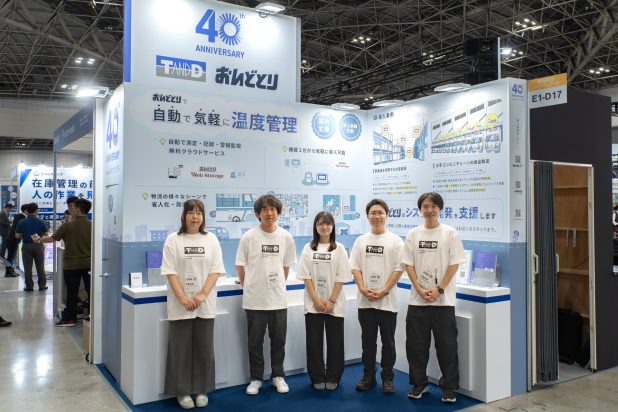
This interview began with an unexpected reunion at AGRI WEEK TOKYO 2023 (now J-AGRI), one of Japan’s largest agricultural trade shows. It was there that I reconnected with Mr. Tadachi of Matsumoto Institute of Microorganisms Co., Ltd.
We had originally become friends through our shared love of music, and nearly six years had passed since we last met in person. As we caught up on life and work, the conversation eventually turned to his work at the Institute. That was when I learned that he and his team had been using our data loggers in microbial research, and I asked if they would be willing to share their story.
Microorganisms, though invisible to the naked eye, play a vital role in agriculture and the environment. It is in this microscopic world that their research takes place, a field where careful attention to detail and dependable data are especially important. In this article, we take a closer look at how T&D data loggers support work in this specialized field.
| Date | May 15, 2024 |
|---|---|
| Place | Matsumoto Institute of Microorganisms Co., Ltd. |
| Models in Use | TR-71U, TR-71S, TR-72S |
| Purpose | Research and development of microbial materials |
Q: Could you begin by telling us about your company’s business?
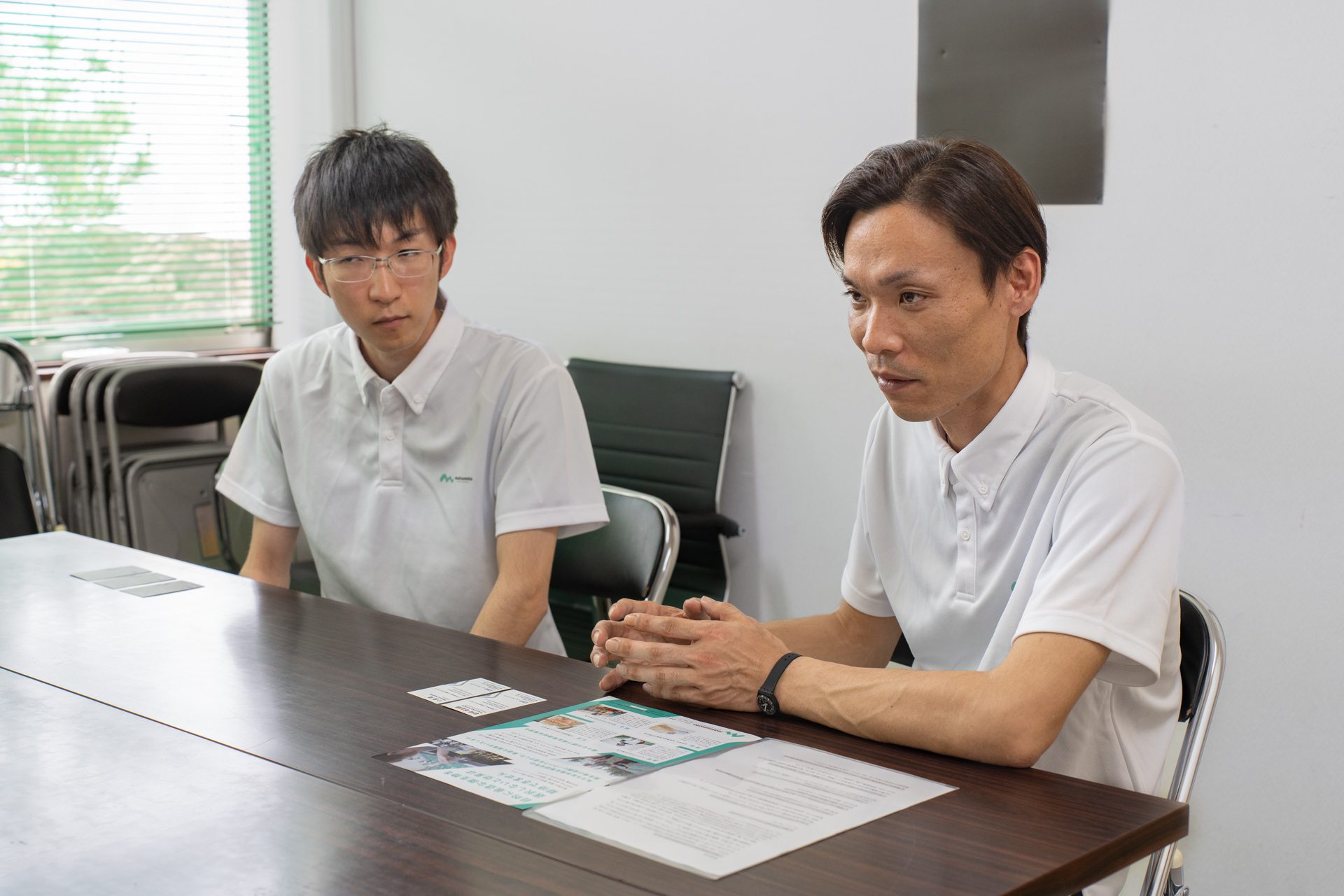
Mr. Tadachi
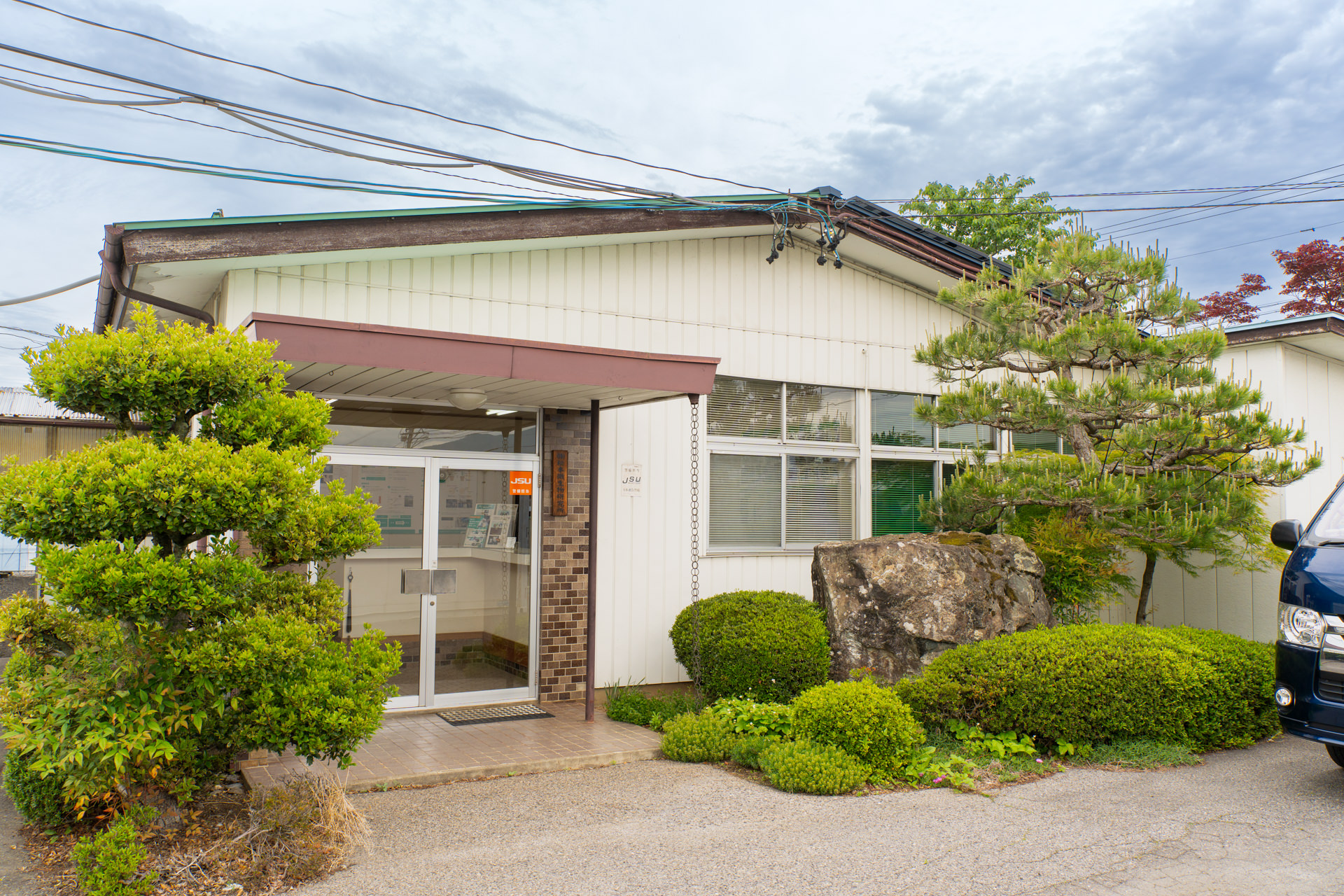
Matsumoto Institute of Microorganisms Co., Ltd. was founded in 1980 in Matsumoto City, Nagano Prefecture. This year marks our 45th year in operation.
Our core business is the research, development, manufacturing, and sales of microbial materials that harness the diverse capabilities of microorganisms. We work across agriculture, environmental management, aquaculture, and greening.
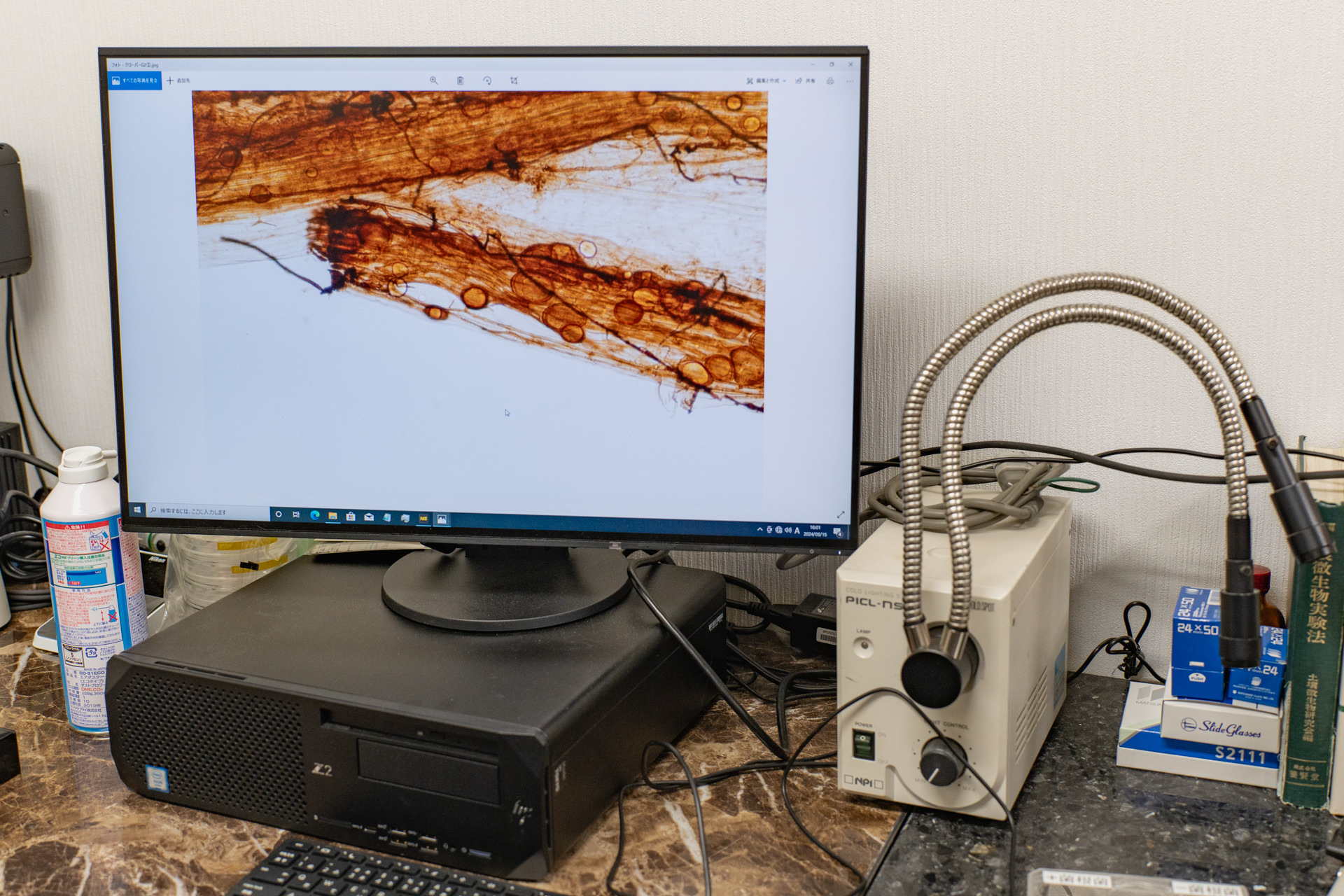
Among these, agriculture is our primary focus. We conduct research on arbuscular mycorrhizal fungi (AM fungi), which live symbiotically inside plant roots and help transfer water and nutrients from the soil to the plant.
These fungi extend fine hyphae throughout the soil and supply nutrients—especially phosphate—that plant roots alone cannot easily absorb. In return, they receive sugars produced through photosynthesis. This symbiotic relationship is believed to have existed for 400 to 500 million years, even supporting the early transition of plants from water to land.
Because we have our own laboratory facilities, we maintain an integrated production system—from fungal cultivation to product development and commercialization. Recently, we have also been collaborating with universities and companies to apply new cultivation technologies in practical applications.
――We understand that you are conducting joint research with Shinshu University, a national university based in Nagano Prefecture. Could you tell us more about that?
Mr. Tadachi
Yes, that’s correct. A professor specializing in mycorrhizal fungi is based at Shinshu University, which led to our collaboration.
Traditionally, culturing AM fungi is quite unique. The fungi must be grown in symbiosis with plant roots. During cultivation, it is essential to maintain strict temperature conditions. When adjusting environmental settings or physically controlling cultivation parameters, precise temperature management is required. That is where we use T&D data loggers.
Shinshu University has developed technology that enables pure cultivation at a small scale within petri dishes, similar to conventional methods. Using this technology, we are working together on product formulation based on our proprietary strains.
Also joining the interview was Mr. Ino, who was a graduate student at Shinshu University when the joint research began and later joined the Institute after completing his master’s degree.
Q: What are some specific examples of industrial applications for microorganisms?
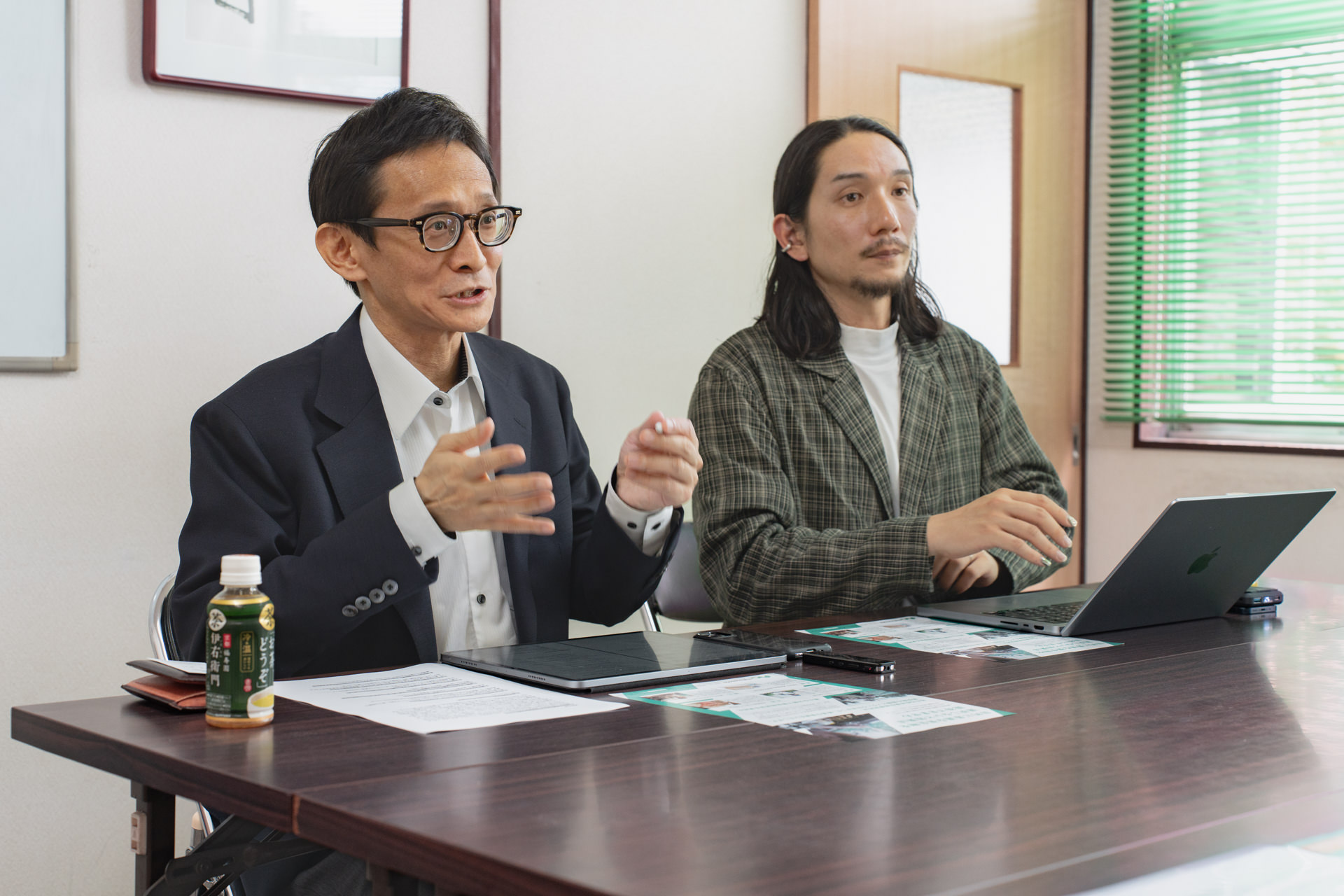
Mr. Tadachi
There are many applications. In aquaculture, for example, microorganisms are used to improve shrimp farming environments and help prevent disease. In environmental management, they are used for deodorization and sludge decomposition in wastewater treatment systems. In the field of greening, they support the recovery of historically significant trees managed by arborists.
We develop microbial materials tailored to specific challenges in each field and formulate products accordingly.
As you may have gathered, this is a very niche industry. Even in Japan, only a small number of companies are engaged in microbial research and development at this level.
――Are your microbial materials sold directly to end users?
Mr. Tadachi
Originally, we operated on a B2C basis, supplying microbial materials directly to farmers. In recent years, however, we have shifted to a B2B approach, providing cultured materials to manufacturers.
――Do AM fungi improve soil conditions, such as adjusting pH?
Mr. Tadachi
AM fungi do not directly improve soil pH or structure. Their primary function is to help plants absorb nutrients—especially phosphate—from the soil.
There are naturally occurring phosphate components in soil that are not fully utilized. By using AM fungi, we can help supply those nutrients to crops.
Japan consumes a significant amount of phosphate, which is considered a finite resource. It is even said that global reserves could become significantly constrained in the coming decades. In addition, fertilizer prices have risen due to global instability.
By utilizing AM fungi, it becomes possible to reduce fertilizer usage. We believe this contributes to more efficient agriculture while also addressing phosphate resource challenges.
Q: Which T&D data loggers are you currently using?
Mr. Tadachi
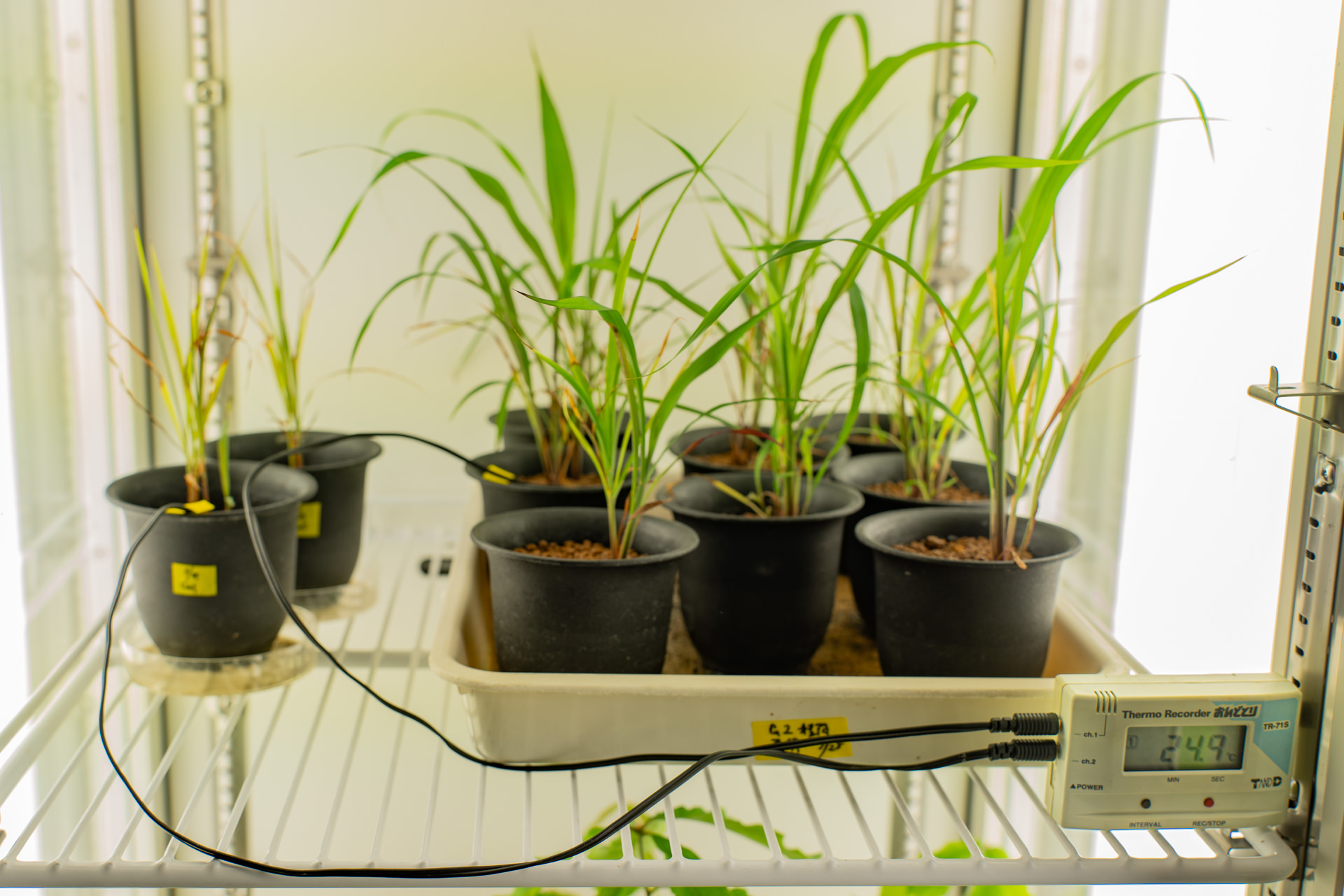
We are currently using the TR-71U, TR-71S, and TR-72S models. They were introduced before I joined the company, and we have been using them for many years.
Are these considered older models?
――Yes, they are four to five generations prior to the current TR7 Series.
Mr. Tadachi
Oh, I didn’t realize that. That’s good to know. We have not experienced any issues with them, and they continue to perform reliably in our evaluation tests and research. Their durability has been impressive.
Q: What led you to choose T&D data loggers?
Mr. Tadachi
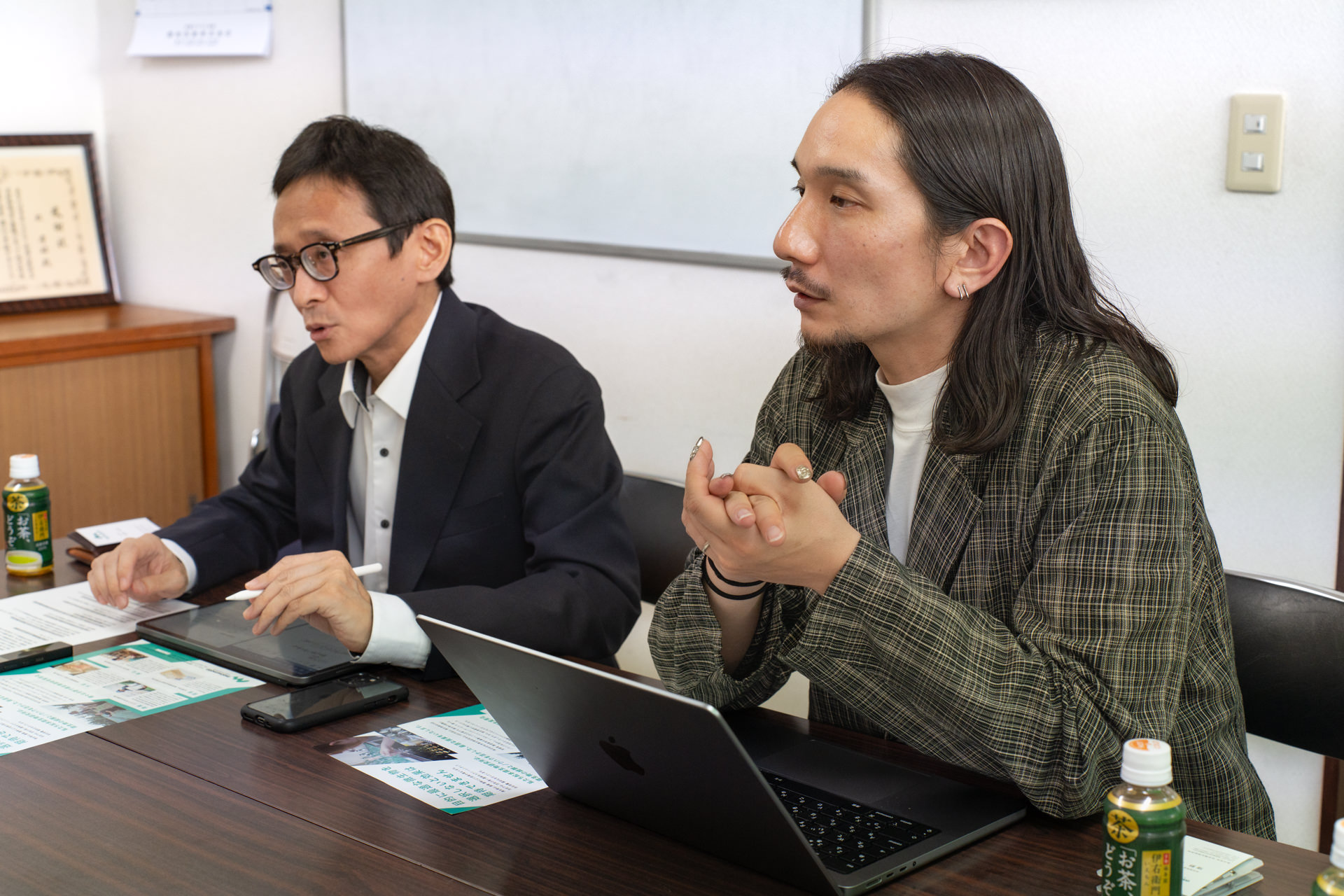
I’ve been told that the decision was based on their track record. T&D data loggers had already been widely used at agricultural experiment stations and universities. If they were trusted in those research environments, the recorded data was considered reliable.
――What aspects have you been most satisfied with? Are there any areas of concern?
Mr. Tadachi
First and foremost, their durability. Even after long-term use, they rarely fail and continue to provide accurate measurements. The pricing is also accessible, even for individual farmers.
It’s remarkable that devices introduced nearly 20 years ago are still functioning without issue. This level of cost performance is a significant strength.
Currently, we retrieve data by connecting the devices to a PC via USB and importing it into dedicated software. We are interested in learning more about the latest models. How can data be managed with them?
――In addition to the same data retrieval method, connecting the device to a LAN enables automatic uploading of recorded data to our free cloud service, T&D WebStorage Service, allowing remote monitoring.
Mr. Tadachi
That sounds very useful. We also conduct cultivation and testing in greenhouses, where temperature management requires considerable effort. Automatic recording and remote monitoring would be highly beneficial.
Q: What kinds of technologies do you believe will be needed in the future?
Mr. Tadachi
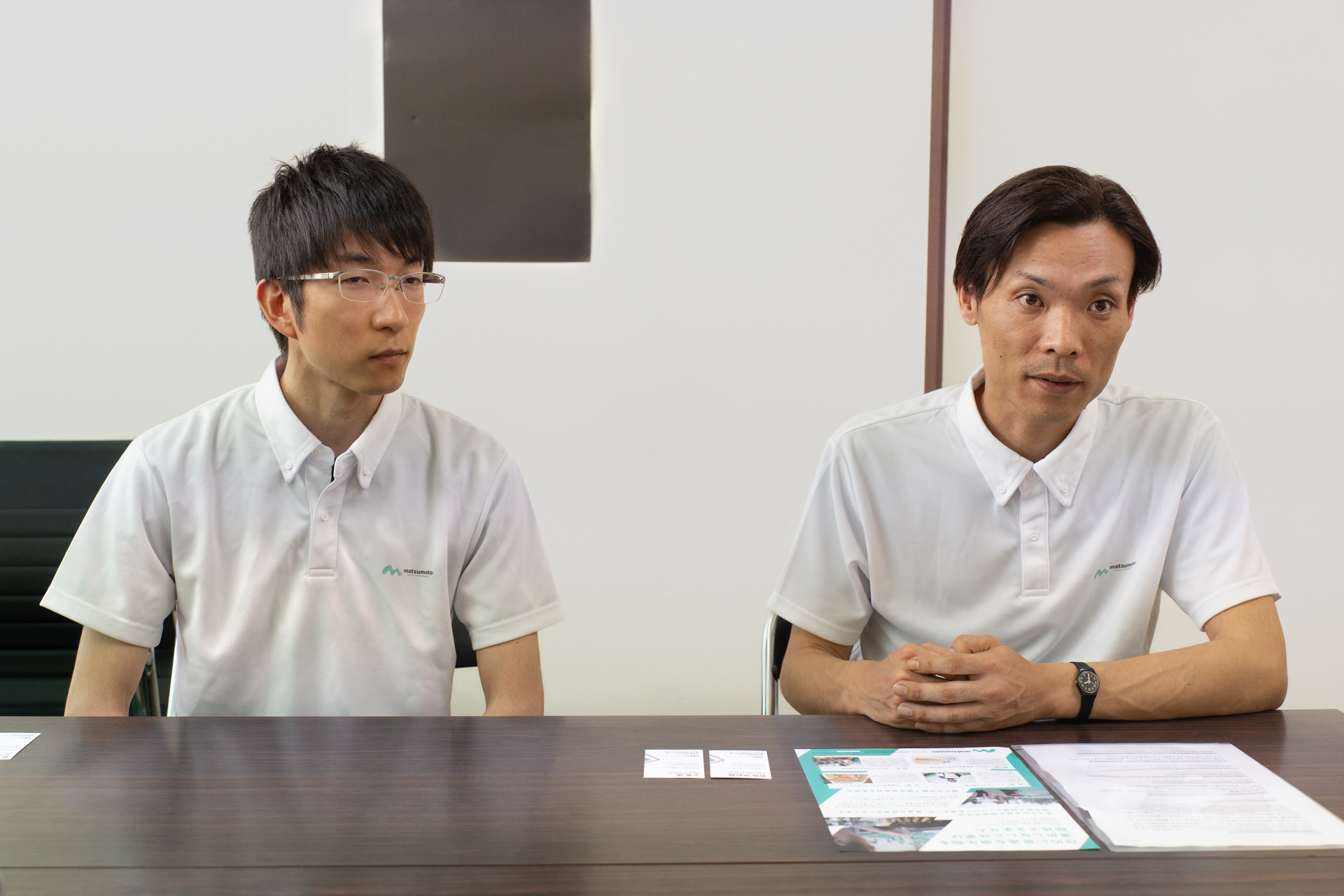
In agriculture, soil analysis is essential. There are chemical, physical, and biological methods of analysis, but chemical analysis is most common and requires significant time.
If fertilizer concentration and composition could be monitored directly with embedded sensors, it would be revolutionary.
――Do such measurement devices already exist?
Mr. Tadachi
Yes, we have measurement devices. However, soil samples must first be processed—typically air-dried and conditioned—before measurement. If real-time monitoring were possible, we could better understand how environmental conditions affect soil and make more informed decisions about crop suitability.
――Do you have any expectations for our products?
Mr. Tadachi
A sensor that can withstand autoclave sterilization would be extremely helpful.
In microbial cultivation, sterilization is essential before starting the culture process. If a temperature sensor inserted into the culture medium is not fully sterilized, contamination can occur.
Autoclave sterilization involves maintaining approximately 120°C (248°F) under pressure for 30 minutes. If a sensor could endure that process, we could insert it directly into the medium and measure internal temperatures, improving efficiency and control in microbial research.
Additionally, if online seminars were offered on how to use T&D data loggers, we would be interested in participating. It would be valuable to interact directly with the manufacturer and deepen our understanding of product specifications.
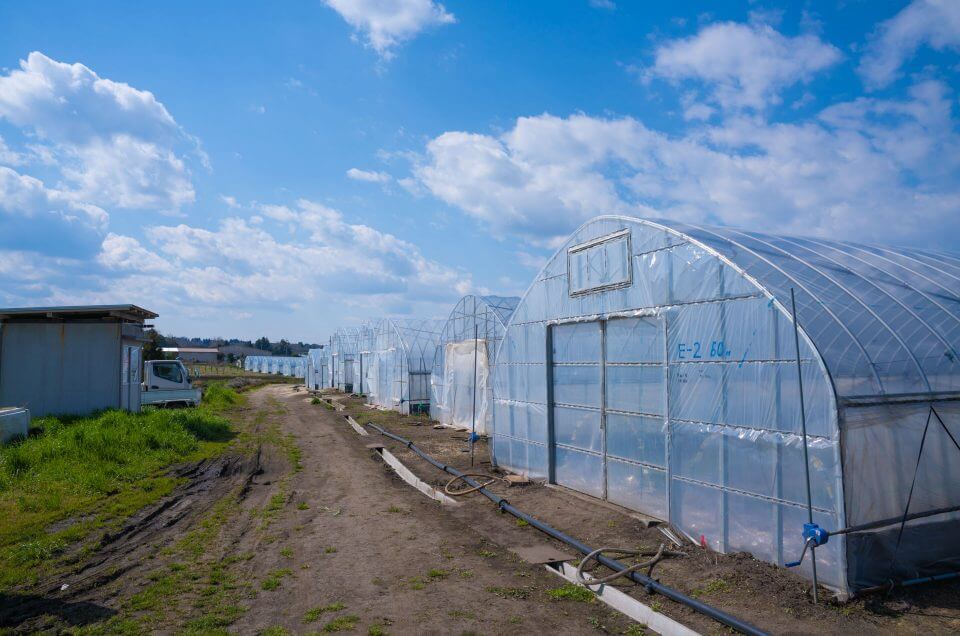
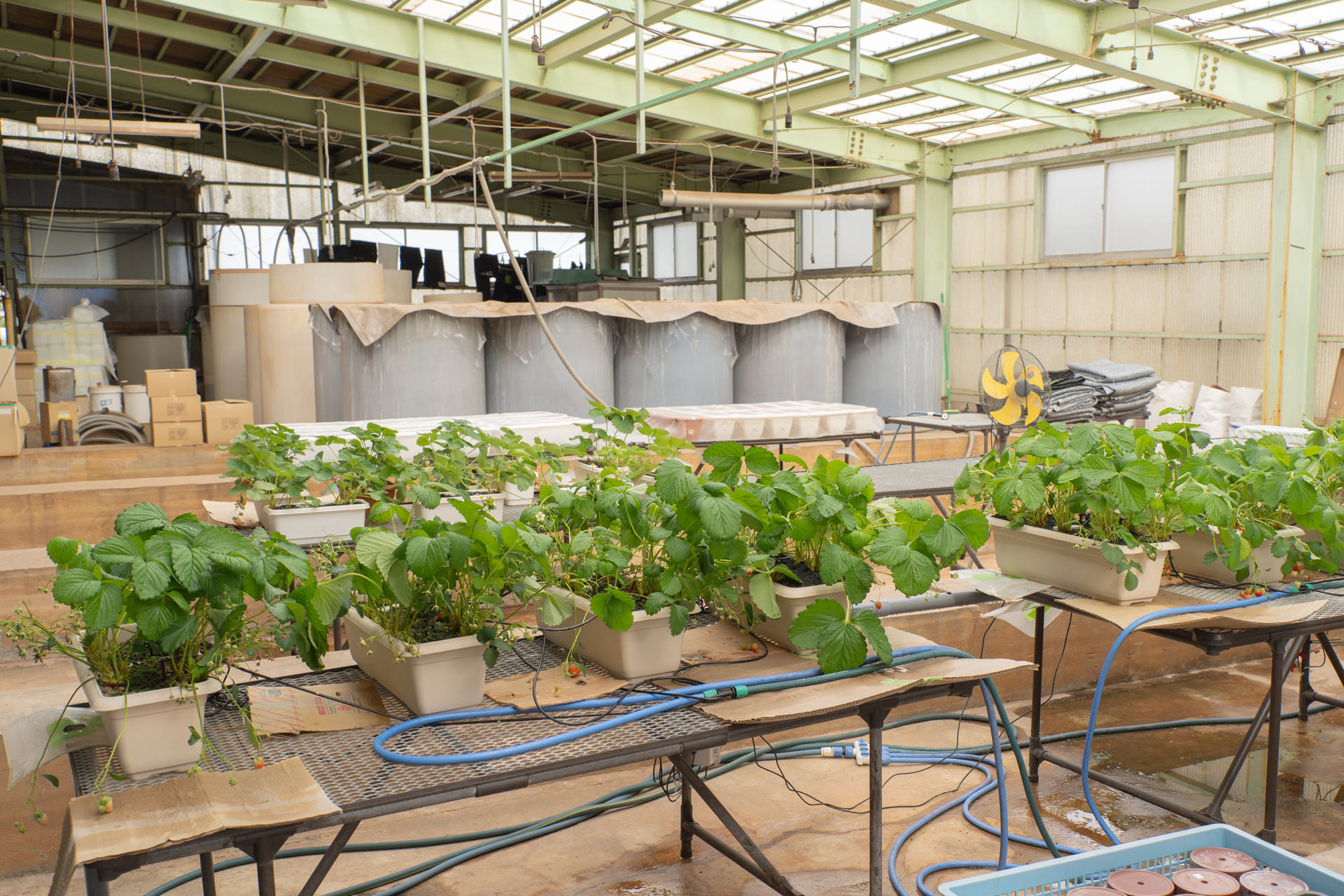
――After the interview, we were given a tour of the greenhouse where cultivation trials are conducted.
Q: What kinds of tests are conducted here?
Mr. Tadachi
We conduct commissioned development trials and evaluation tests for overseas microbial materials. Currently, we are growing strawberries under different microbial and soil conditions.
――What parameters are you measuring?
Mr. Tadachi
If irrigation water temperature rises, dissolved oxygen decreases, which negatively affects root growth. Therefore, we carefully control water temperature. The temperature of liquid fertilizers is also strictly managed, as it significantly influences crop development.
Q: Your company philosophy includes the phrase “coexistence with the environment.” Could you tell us more about that?
Mr. Tadachi
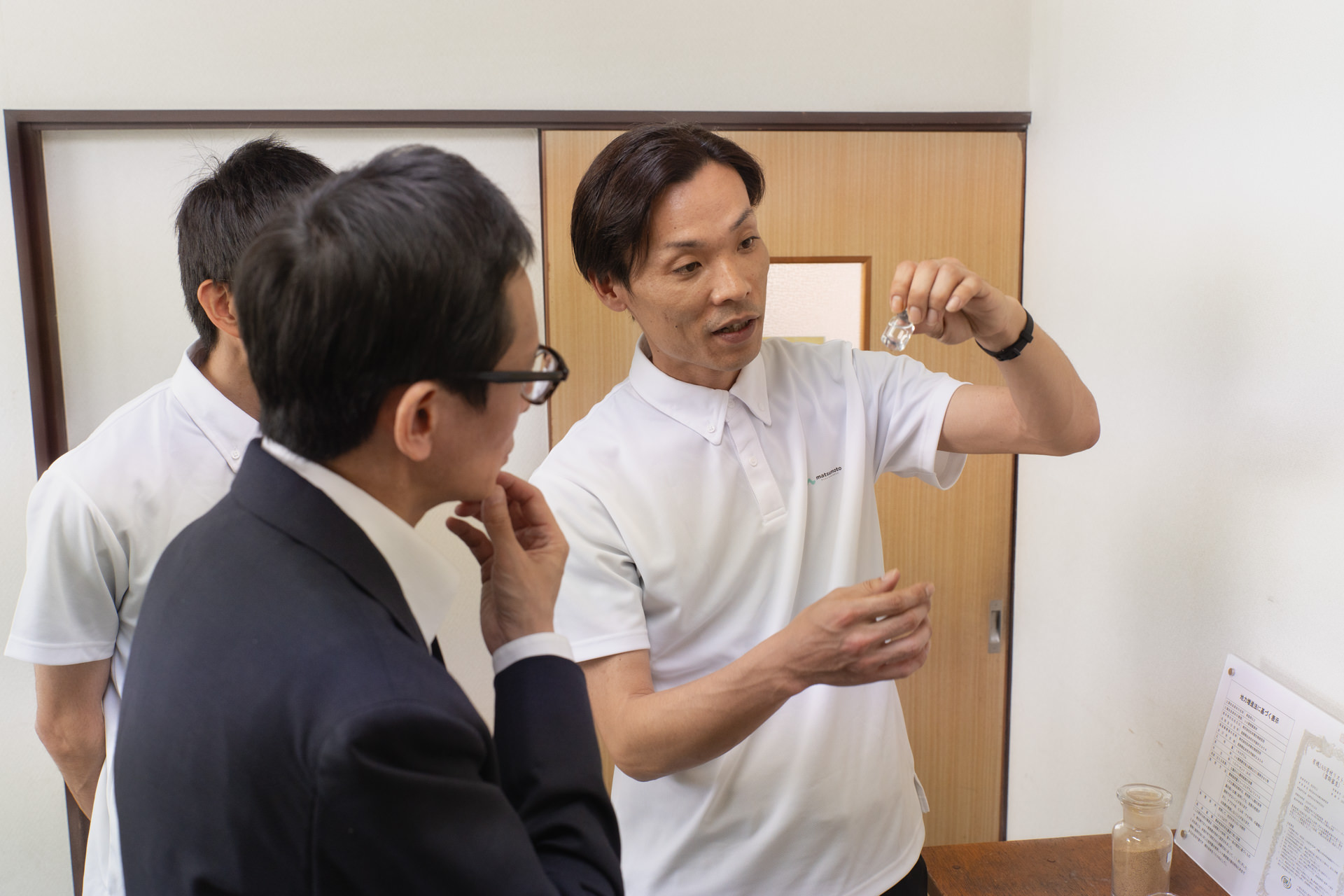
It may be difficult to express concretely, but today the United Nations Sustainable Development Goals (SDGs) are widely recognized. I believe we have been operating in a similar way for 45 years.
By respecting natural principles and utilizing microbial functions, we aim to work in harmony with nature—much like the symbiotic relationship of mycorrhizal fungi.
Because we deal with invisible microorganisms, there is always a risk that the purpose of our products may be misunderstood or seen as questionable if not properly explained. That is why we are committed to sincerity and highly reliable research in everything we do.
Listening to their story, we were reminded that meaningful innovation often begins in places we cannot see.
Just five minutes from T&D’s Matsumoto Base, our data loggers have quietly supported microbial research for nearly two decades. Being based in the same city allows us to see firsthand how reliable data contributes to meaningful research within our own community.
In this specialized and invisible world of microbial research, our role is not to take center stage, but to provide a stable foundation that supports it.
This interview once again reminded us of the importance of providing data that researchers can trust.
We would like to extend our sincere thanks to Mr. Tadachi, Mr. Ino, and everyone at Matsumoto Institute of Microorganisms Co., Ltd. for their cooperation.
Official Website:
Matsumoto Institute of Microorganisms Co., Ltd.